
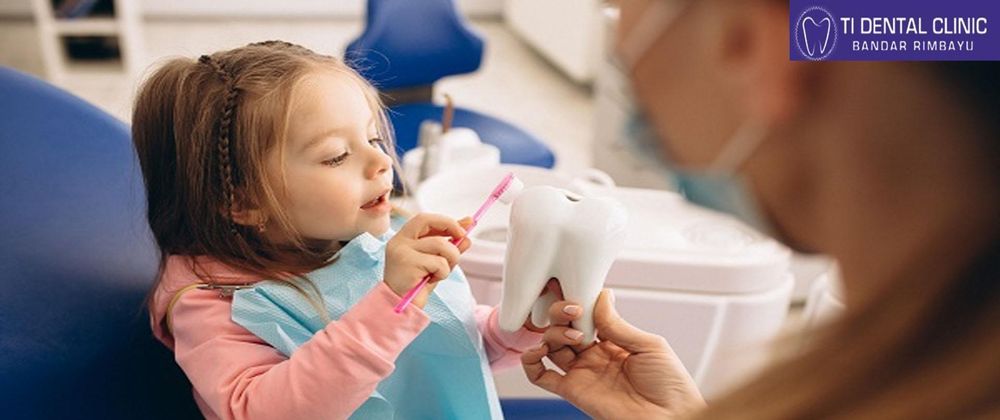

The fundamental divergence between a general dentist who treats children and a board-certified pediatric dentist lies in their post-graduate educational requirements.
The General Dentist ("Kids Dentist")
A general dentist completes an undergraduate degree followed by a four-year doctoral program to earn either a Doctor of dental paediatrician or a Doctor of Dental Medicine (DMD). Throughout dental school, students receive foundational instruction in pediatric dentistry, including basic restorative techniques for primary teeth and short clinical rotations treating cooperative pediatric patients. Upon graduation, these practitioners are legally permitted to treat patients of all ages. A general dentist who brands their office as a "kids dental clinic" often has a strong affinity for children, a welcoming office design, and exceptional patience, but their formal training matches standard adult dental education.
The Pediatric Dentist ("Dental Pediatrician")
Conversely, a pediatric dentist is a specialist who, after earning a DDS or DMD, matches into an accredited, highly competitive post-doctoral residency program lasting an additional 24 to 36 months. This residency is deeply rooted in advanced clinical and hospital-based training. The curriculum includes:
Advanced Child Psychology: Specialized training in behavioral guidance techniques.
Management of Orofacial Trauma: Emergency room coverage for complex pediatric facial injuries, tooth avulsions (knocked-out teeth), and jaw fractures.
Care for Special Health Care Needs (SHCN): Advanced management of patients with autism spectrum disorder, Down syndrome, cerebral palsy, childhood cancers, and complex cardiac conditions.
Pharmacological Sedation: In-depth training in dental paediatrician, minimal/moderate conscious sedation, and deep sedation/general anesthesia workflows within a hospital setting.Deta







Top comments (0)