
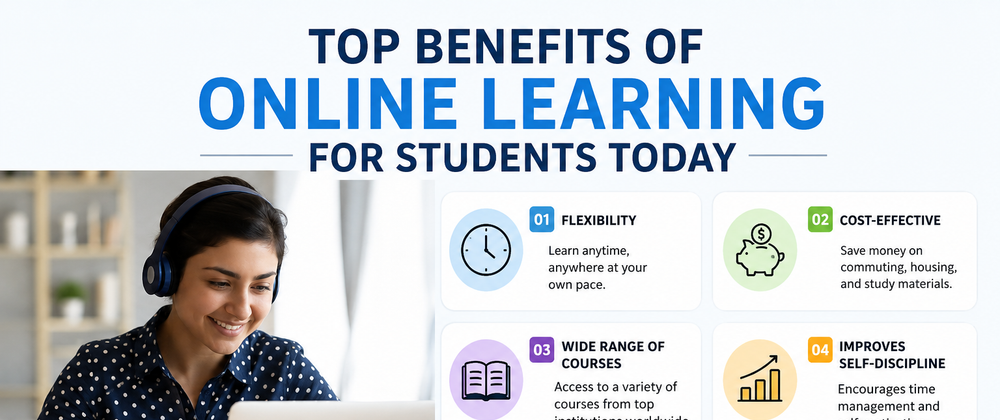

The educational landscape has undergone a dramatic transformation in recent years, with online learning emerging as a dominant force in how students pursue their academic goals. Whether you're a working professional balancing career and education, a parent managing family responsibilities, or a traditional student seeking flexibility, online learning offers unprecedented opportunities. However, the challenges of managing coursework across multiple platforms have led some students to search for solutions like pay someone to take my class for me when feeling overwhelmed. Let's explore the comprehensive benefits of online learning and how students can maximize their success in this digital educational environment.
Unparalleled Flexibility and Convenience
One of the most significant advantages of online learning is the flexibility it provides. Unlike traditional classroom settings with fixed schedules, online courses allow students to access lectures, materials, and assignments at their convenience. This flexibility is particularly valuable for students juggling multiple responsibilities.
Students can learn at their own pace, reviewing difficult concepts multiple times or accelerating through familiar material. This self-paced approach accommodates different learning styles and speeds, ensuring that each student can optimize their educational experience. For those managing complex course management systems, this flexibility becomes even more crucial when navigating platforms where some might even consider options to take my cengage class assistance when workload becomes unmanageable.
Cost-Effectiveness and Affordability
Online learning often presents a more economical alternative to traditional education. Students save money on commuting costs, campus housing, meal plans, and other expenses associated with attending physical classes. Many online programs also offer lower tuition rates compared to their on-campus counterparts.
Additionally, digital textbooks and resources are frequently less expensive than physical copies, and students can often access free educational materials online. The elimination of relocation costs and the ability to continue working while studying further enhance the financial benefits of online education.
Access to Diverse Programs and Institutions
Geographic boundaries no longer limit educational opportunities. Students can enroll in programs offered by institutions across the country or around the world without leaving their homes. This access opens doors to specialized courses, expert instructors, and programs that might not be available locally.
Whether pursuing a niche certification, a degree in an emerging field, or courses from prestigious universities, online learning democratizes education. Students can select the best programs for their goals rather than settling for whatever is available nearby.
Improved Technical Skills
In today's digital workplace, technological proficiency is essential. Online learning naturally develops these skills as students navigate learning management systems, participate in virtual collaboration, use digital communication tools, and manage online resources.
These technical competencies translate directly to professional environments where remote work and digital collaboration have become standard. However, some platforms can be particularly challenging to navigate, which is why students sometimes seek help or even hire someone to take my McGraw Hill class when technical complexities compound with challenging course content.
Personalized Learning Experience
Online education allows for greater personalization than traditional classrooms. Students can choose when and where they study, creating an environment that maximizes their productivity and comfort. They can spend extra time on challenging topics while moving quickly through material they grasp easily.
Many online platforms use adaptive learning technologies that adjust content difficulty based on student performance, providing a truly customized educational experience. This personalization helps students learn more effectively and retain information better.
Enhanced Time Management Skills
Online learning requires students to develop strong time management and self-discipline skills. Without the structure of regular class meetings, students must organize their schedules, set goals, and maintain motivation independently.
These self-management skills are invaluable in professional settings and personal life. Students who succeed in online learning environments often become highly organized, proactive individuals capable of managing complex projects and competing priorities.
Comfortable Learning Environment
The ability to learn from home or any location of choice eliminates many stressors associated with traditional education. Students avoid crowded classrooms, long commutes, and the anxiety some experience in face-to-face interactions. This comfort can lead to increased focus and better learning outcomes.
For introverted students or those with social anxiety, online learning provides a less intimidating environment where they can participate more confidently through written discussions and asynchronous communication.
Immediate Access to Resources and Support
Online learning platforms typically provide 24/7 access to course materials, recorded lectures, discussion forums, and supplementary resources. Students can review content whenever needed, which is particularly helpful when preparing for exams or working on assignments.
Many programs also offer virtual tutoring, academic advising, and technical support, ensuring students have assistance when they need it. This continuous access helps prevent students from falling behind and supports consistent progress.
Career Advancement Opportunities
For working professionals, online learning offers the chance to upgrade skills and credentials without sacrificing career momentum. Students can apply what they learn immediately in their jobs, creating a practical feedback loop that enhances both their education and professional performance.
Employers increasingly value the self-motivation and discipline demonstrated by online learners, recognizing these qualities as assets in any workplace. The ability to balance work, education, and other responsibilities shows exceptional time management and commitment.
Building a Global Network
Online programs connect students with peers, instructors, and professionals from around the world. This diversity enriches discussions, broadens perspectives, and creates networking opportunities that extend far beyond local boundaries.
These global connections can lead to collaborative projects, career opportunities, and friendships that provide both personal and professional value long after course completion.
Conclusion
Online learning has revolutionized education, offering flexibility, affordability, and accessibility that traditional models cannot match. While it requires self-discipline and effective time management, the benefits far outweigh the challenges for motivated students. The skills developed through online learning—technical proficiency, self-management, and independent thinking—are precisely those demanded in modern workplaces.
As online education continues to evolve with improved technologies and pedagogical approaches, it will likely become even more central to how people learn throughout their lives. Whether you're beginning your educational journey, advancing your career, or pursuing personal enrichment, online learning provides the tools and opportunities to achieve your goals on your own terms.







Top comments (0)