
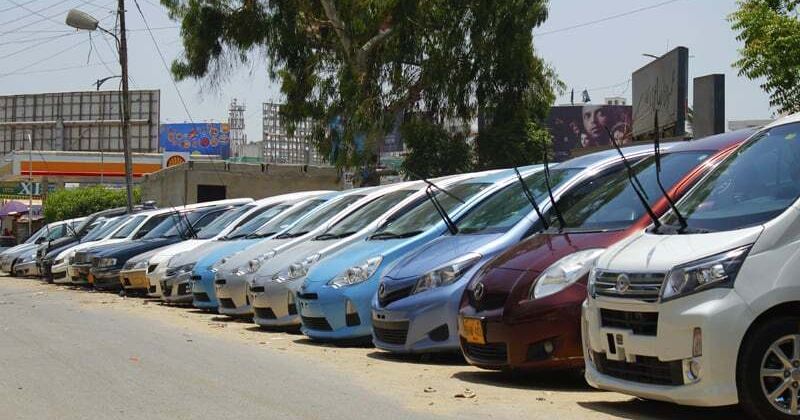

The Australian used car market has undergone a seismic shift. Walk into any dealership in Sydney, Melbourne, or Brisbane today, and you'll witness something fundamentally different from just three years ago. The traditional handshake deal based on a quick walk-around inspection and a test drive has evolved into something far more sophisticated. What's driving this change? It's not just inflation or supply chain disruptions – it's a complete reimagining of how we determine a vehicle's true worth.
For decades, the conversation around vehicle valuation followed a predictable script. A buyer would ask about kilometres, check for panel damage, scrutinise the interior wear, and make an offer. Sellers looking to get cash for used cars Sydney focused primarily on presentation – a fresh detail, new floor mats, perhaps a coat of polish. The formula seemed simple: better condition equals better price. But 2026 has rewritten that playbook entirely, and understanding these new valuation factors isn't just useful – it's essential for anyone navigating today's automotive marketplace.
The shift represents more than just evolving buyer preferences. Technology has democratised information, environmental consciousness has reshaped priorities, and economic volatility has made Australians savvier about long-term value versus immediate aesthetics. When you decide to sell my car for cash Sydney, you're entering a market where data transparency, sustainability credentials, and technological compatibility now sit alongside traditional condition metrics as primary value determinants.
The Traditional Valuation Model: What We're Moving Beyond
Traditional used car valuation operated on relatively straightforward principles. Assessors examined paint quality, interior condition, mechanical soundness, service history, and odometer readings. These factors fed into pricing guides like RedBook and Glass's, creating standardised valuations that dealers and private sellers referenced religiously.
This model worked adequately in an era of information scarcity. Buyers relied on visual inspection and trusted their mechanic's assessment. Sellers highlighted cosmetic improvements and recent maintenance. The transaction felt personal, almost artisanal, with condition serving as the ultimate arbiter of value.
However, this approach carried inherent limitations. It overvalued superficial improvements whilst potentially missing fundamental issues. A meticulously detailed interior might mask worn suspension components. Fresh paint could conceal previous accident damage. The system rewarded appearance over substance, creating information asymmetries that benefited those willing to invest in cosmetic enhancement over mechanical integrity.
Data Transparency: The New Market Equaliser
The 2026 valuation landscape prioritises verifiable data over subjective assessment. Vehicle history reports now integrate information from multiple sources: PPSR records, insurance claims databases, service records from authorised dealers, independent mechanics' digital logs, and even telematics data from connected vehicles.
This data revolution has fundamentally altered power dynamics. Buyers access comprehensive vehicle histories before viewing, revealing previous ownership patterns, accident histories, and maintenance consistency. Sellers can no longer rely on information gaps to maintain pricing leverage. Transparency has become the market standard, not the exception.
Consider this: recent analysis from the Australian Automotive Dealer Association shows that vehicles with complete, verifiable digital service histories now command premiums averaging 7-12% over comparable models with paper-only documentation. This premium exists regardless of visible condition, demonstrating how provable data trumps cosmetic presentation.
The implications extend beyond pricing. Vehicles with transparent histories sell 34% faster, according to Carsales data from early 2026. Buyers value certainty, and comprehensive documentation provides exactly that. This shift rewards owners who've maintained meticulous records, even if their vehicle shows normal wear and tear.
Environmental Credentials: The Green Premium
Australia's commitment to emissions reduction has infiltrated the used car market with surprising force. The 2026 buyer increasingly considers a vehicle's environmental impact as a core valuation factor, creating what industry insiders call the "green premium" or "brown discount."
Vehicles with lower emissions ratings, hybrid or electric powertrains, or superior fuel efficiency command higher prices, regardless of cosmetic condition. Meanwhile, older petrol-hungry models face depreciation pressures that condition alone cannot offset. This represents a fundamental market recalibration driven by both regulatory pressure and genuine consumer preference shifts.
Data from the Electric Vehicle Council reveals that used electric vehicles now retain 68% of their original value after three years, compared to 52% for comparable petrol vehicles. This 16-percentage-point difference exists independent of condition metrics, instead reflecting buyers' forward-looking calculations about running costs, potential regulatory restrictions, and resale prospects.
The trend intensifies in urban markets where congestion charges and low-emission zones loom as future possibilities. Melbourne and Sydney buyers particularly prioritise vehicles that future-proof against potential regulatory changes. A well-maintained 2020 diesel SUV might be mechanically perfect, yet its valuation suffers against a higher-kilometre hybrid alternative.
Technological Compatibility: The Modern Essential
Modern vehicles function as rolling computers, and buyers in 2026 scrutinise technological capability with the same intensity previously reserved for engine condition. Smartphone integration, advanced driver assistance systems, over-the-air update capability, and cybersecurity features now directly influence valuation.
This technological valuation extends beyond mere feature lists. Buyers assess whether a vehicle's systems remain current and supported. A pristine 2019 model with outdated infotainment software faces valuation pressure against a higher-kilometre 2022 alternative with regular software updates and modern connectivity.
The security dimension particularly concerns informed buyers. Recent high-profile vehicle thefts exploiting electronic vulnerabilities have made cybersecurity a legitimate valuation factor. Vehicles with older keyless entry systems or unpatched software vulnerabilities sell at discounts, regardless of mechanical condition.
Industry surveys indicate that 73% of used car buyers under 45 consider technological features "essential" rather than "desirable." This demographic shift means technology-light vehicles face shrinking buyer pools, depressing values independent of traditional condition metrics.
Economic Resilience: The Running Cost Revolution
The cost-of-living pressures reshaping Australian household budgets have made running costs a primary valuation consideration. Buyers now calculate total ownership costs with spreadsheet precision, weighing insurance premiums, fuel consumption, maintenance expenses, and parts availability against purchase price.
This economic lens particularly affects European luxury brands. A flawless BMW or Mercedes might look spectacular, but buyers increasingly factor in premium parts costs, specialist servicing requirements, and higher insurance premiums. These ongoing expenses create valuation headwinds that pristine condition cannot overcome.
Conversely, models with reputation for reliability, parts availability, and affordable servicing enjoy valuation premiums. Toyota and Mazda vehicles, even with visible wear, maintain strong values because buyers appreciate lower long-term ownership costs. The market rewards economic sensibility over cosmetic perfection.
Research from Canstar indicates average Australian car owners now calculate five-year total ownership costs before purchase, a practice virtually unknown five years ago. This analytical approach fundamentally changes valuation dynamics, making economic resilience a core value driver.
Supply Chain Considerations: The Availability Factor
Global supply chain disruptions have created unexpected valuation winners and losers based on parts availability. Vehicles relying on scarce components or discontinued parts face valuation pressure, whilst models with robust parts networks command premiums.
This factor operates independently of condition. A mechanically sound vehicle requiring proprietary parts with six-month wait times carries risks that buyers price into their offers. Meanwhile, vehicles sharing platforms with current models benefit from parts commonality, enhancing their market appeal.
The Japanese brands particularly benefit from this dynamic. Their extensive Australian dealer networks and parts inventory systems provide buyers with confidence in long-term supportability. This reassurance translates directly into stronger residual values.
The Insurance and Financing Equation
Insurance costs and financing availability have emerged as significant valuation influences. Certain models face elevated insurance premiums due to theft statistics, repair costs, or claims history. These ongoing expenses depress values regardless of the specific vehicle's condition.
Similarly, financing availability affects valuation. Vehicles falling outside typical lender age or kilometre parameters become harder to finance, shrinking the potential buyer pool. This reduced demand inevitably impacts pricing, creating a valuation penalty unrelated to mechanical or cosmetic condition.
Lenders in 2026 apply increasingly sophisticated risk models, considering vehicle-specific data rather than broad categories. This granular approach means individual models face varying financing terms, directly influencing their market values.
Market Segmentation: The Buyer Intent Factor
Today's used car market serves increasingly distinct buyer segments, each weighting valuation factors differently. First-car buyers prioritise affordability and insurance costs. Families focus on safety features and running costs. Enthusiasts value performance and maintenance history. Each segment creates micro-markets with unique valuation dynamics.
This segmentation means identical vehicles can achieve vastly different prices depending on buyer targeting. A performance model marketed to enthusiasts commands premiums for documented modifications and track history, whilst the same vehicle marketed to general buyers might face scepticism about reliability.
Successful sellers in 2026 understand these segments and position vehicles accordingly. A well-worn Hilux presented to tradies emphasising work capability and reliability achieves better results than targeting luxury buyers focused on cosmetics.
The Valuation Synthesis: Integrating Multiple Factors
Modern valuation requires synthesising these diverse factors into coherent pricing. Professional valuers now employ sophisticated algorithms weighing condition alongside data transparency, environmental credentials, technological capability, economic resilience, and market positioning.
This complexity challenges both buyers and sellers. Condition remains important but now operates as one variable among many. A vehicle in average cosmetic condition but excelling in data transparency, environmental performance, and technological currency might command prices matching or exceeding pristine examples weak in these areas.
The market rewards vehicles demonstrating balanced strength across multiple valuation dimensions. This multifaceted approach more accurately reflects true value in an era where informed buyers consider total ownership propositions rather than isolated condition metrics.
Practical Implications for Sellers
Understanding these evolving valuation dynamics provides concrete advantages. Sellers should prioritise assembling comprehensive digital documentation, highlighting environmental credentials, ensuring technological systems remain current and secure, and emphasising economic running costs and parts availability.
Cosmetic presentation still matters, but no longer dominates. Strategic sellers invest in documentation and data transparency before expensive cosmetic restoration. They understand buyer priorities have shifted toward verifiable information and long-term value.
Market positioning becomes crucial. Identifying the right buyer segment and emphasising relevant strengths produces better outcomes than generic broad-market approaches. A vehicle's unique strengths matter more than achieving perfection across all metrics.
Looking Forward: The Continuous Evolution
The 2026 valuation landscape represents current thinking, not the final destination. As technology advances, environmental regulations tighten, and economic conditions evolve, valuation factors will continue shifting. Vehicle-to-grid capability, autonomous driving features, and circular economy considerations may soon join today's valuation mix.
This ongoing evolution demands market participants remain informed and adaptable. Success requires understanding not just current valuation factors but anticipating emerging trends. The Australian used car market rewards those who recognise change early and position accordingly.
The fundamental lesson remains clear: condition alone no longer determines value. The vehicles commanding premium prices in 2026 demonstrate excellence across multiple dimensions – data transparency, environmental performance, technological currency, economic resilience, and strategic market positioning. This multifaceted approach represents the market's maturation into a more sophisticated, information-rich ecosystem that ultimately serves buyers and sellers more effectively than the simplified models of the past.






Top comments (0)