
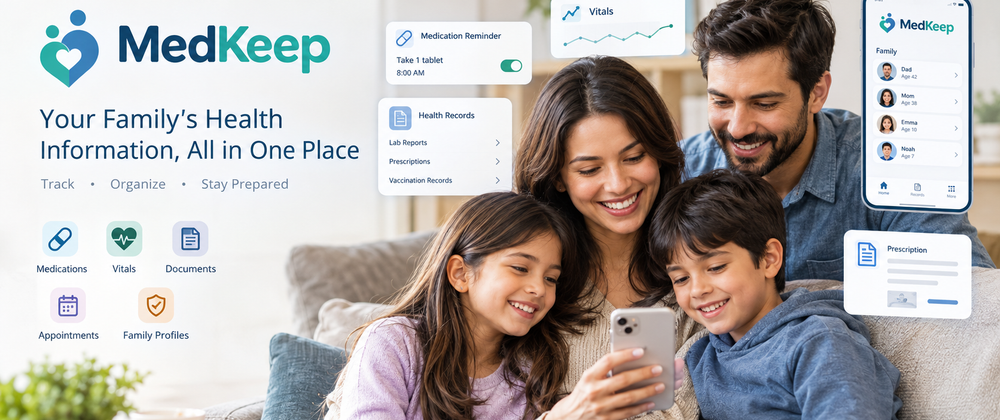

Managing health information for one person can already feel like a lot. Add children, parents, or other family members, and things can quickly become confusing. One person may need regular blood pressure checks, another may be watching their glucose levels, while someone else needs several medicines at different times of the day.
This is where simple digital tools can make everyday health management easier. A health tracking app for family members can bring important information into one place, helping families keep track of readings, medicines, schedules, and refill needs without relying on scattered notes or memory.
The goal is not to replace a doctor or make medical decisions at home. It is simply about keeping useful information organized and easy to review.
Why Tracking Health Information Matters
Health readings can be useful when they are recorded consistently. A single blood pressure or glucose reading gives limited context. A record collected over time can help show how readings change from one day to another.
For example, someone checking their blood pressure at home might write down the date, time, and reading. After several weeks, they have a clearer record to discuss with their healthcare professional.
Keep Vital Readings in One Place
A health vitals log app can be useful for recording information such as blood pressure, glucose, weight, pulse, or other measurements. Instead of keeping different notebooks or loose pieces of paper, family members can have their information organized digitally.
A track vital signs app can also make it easier to review previous entries. This can be especially helpful when preparing for a medical appointment and trying to remember what happened over the previous few weeks.
Managing Blood Pressure and Glucose at Home
Blood pressure and glucose monitoring are common parts of home health routines. The challenge is often not taking the measurement, but remembering to record it consistently.
A glucose and blood pressure tracker can provide a simple place to keep these readings together. Families can record measurements as part of their normal routine and refer back to them when needed.
Of course, an app should not be used to diagnose a condition or change medication without professional advice. Its value is in helping people maintain an organized record.
A Practical Approach to Home Health Monitoring
Home monitoring becomes easier when it fits naturally into everyday life. Instead of trying to record everything at once, it can help to connect tracking with routines that already happen.
Choose a Regular Time
If someone needs to monitor blood pressure regularly, recording it around the same time each day can make the routine easier to remember. The same idea can apply to other health measurements when a healthcare professional has recommended regular monitoring.
A home health monitoring app can support this routine by keeping records accessible rather than leaving them in several different places.
Medication Management Is Part of the Picture
Health tracking is not only about numbers. Medicines are another important part of managing health at home, particularly when several people in a household take different medications.
It can be surprisingly easy to forget whether a tablet was taken, when the next dose is due, or whether a prescription needs to be renewed.
Keep Family Medication Schedules Clear
A pill reminder app for family members can help organize medication routines for different people. Instead of relying entirely on memory, families can keep schedules in one convenient place.
A medication schedule app can be particularly useful when medicines have different instructions or times. For example, one family member may take a medicine in the morning, while another needs medication at lunchtime and before bed.
The important thing is to follow the instructions provided by the healthcare professional or medication label.
Don't Wait Until the Last Pill
Refilling medication can become another source of stress. People sometimes remember a prescription only when they are nearly out of tablets.
A refill reminder app can help families keep an eye on upcoming refill needs. This gives them more time to contact the pharmacy or healthcare provider when appropriate, rather than leaving everything until the last minute.
Managing Health Information for Multiple People
One of the biggest challenges for families is keeping everyone's information separate. A parent may need to monitor blood pressure, a child may have a different medication schedule, and another family member may have regular glucose readings.
Trying to track medications for multiple people through one notebook can become messy very quickly.
A family-focused digital system can help keep each person's information organized while giving caregivers a clearer view of what needs attention.
Make the Information Useful for Appointments
Good health records are most useful when they are easy to understand. Before an appointment, it can help to review recent readings, medication information, and any notes that may be relevant.
Rather than trying to remember everything during a short conversation with a healthcare professional, having organized information available can make the discussion more straightforward.
Technology Should Simplify, Not Complicate Health Routines
The best health-tracking routine is one that people can realistically maintain. If recording a reading takes too much effort, it becomes easier to stop doing it.
That is why simple organization matters. Whether someone needs a blood pressure tracker app, a place to record vital signs, or reminders for family medications, the tool should fit into the household's existing routine.
MedKeep is designed around this practical idea, helping families keep health-related information and medication routines organized in one place. For families managing several schedules at once, having a central place for these details can reduce the everyday confusion that comes with scattered records.
Small Habits Can Make Health Management Easier
Family health management does not have to mean creating complicated systems. Recording a reading after checking it, reviewing medication schedules regularly, and paying attention to upcoming refills are small habits that can make information easier to manage.
A health tracking app for family members can support those habits by giving families one organized space for important health details.
It cannot replace medical advice, and it should not be used to make treatment decisions independently. But when used as an organizational tool, it can make everyday health routines easier to follow and information easier to find when it matters.







Top comments (0)