
There is a distinct, hypnotic charm to arcade sports games that modern hyper-realistic simulations sometimes miss. While high-budget sports titles demand intense tactical planning, complex controller configurations, and hours of mastering intricate dribble combos, sometimes you just want the pure, unadulterated adrenaline of a two-on-two streetball showdown. You want the screech of sneakers on hot asphalt, the deafening roar of a pixelated crowd, and the physics-defying satisfaction of launching a half-court buzzer-beater.
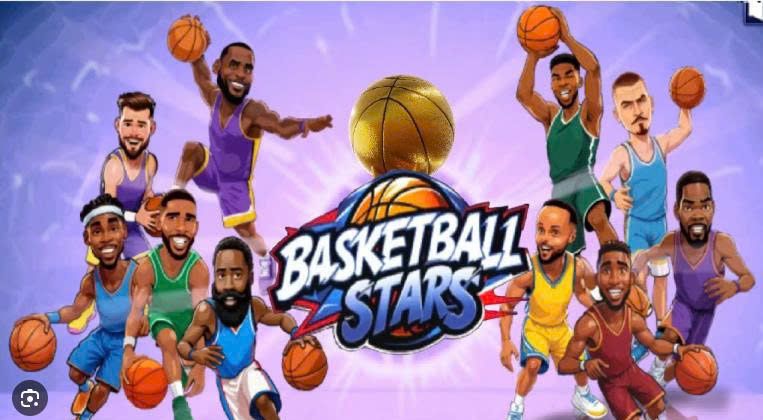
For gamers looking for quick, high-energy entertainment without a steep learning curve, arcade basketball remains an enduring staple. Games like Basketball Stars capture this exact spirit, offering an accessible yet surprisingly deep portal into competitive hoops right from your browser. Whether you are taking a quick study break or unwinding after a long day, diving into a fast-paced match provides an immediate rush of nostalgia and competitive focus.
The Anatomy of Arcade Hoops: Understanding the Gameplay
What makes a casual sports game truly sticky is its balance between pick-up-and-play simplicity and masterable depth. At its core, arcade basketball strips away the exhaustive playbooks of professional leagues and focuses on the essentials: movement, timing, and scoring.
When you step onto the digital court, matches are typically structured as lightning-fast duels. You control a stylized, larger-than-life character—often customizable with iconic streetwear, sneakers, and accessories that give your player personality. The controls are deliberately streamlined: a virtual joystick for movement, paired with action buttons for shooting, stealing, and blocking.
However, beneath this accessible exterior lies a rhythm-based skill ceiling. Shooting is rarely just a matter of pressing a button; it relies on timing a meter or judging your distance from the arc. Defense requires anticipation rather than button-mashing, as timing a block a split-second too early leaves you vulnerable to a pump-fake. This delicate tango of offense and defense keeps every match tense, ensuring that even a quick three-minute game feels like a hard-fought athletic battle.
Mastering the Court: Practical Tips for Better Play
While arcade games are designed for casual fun, winning consistently takes a bit of finesse. If you want to move from a rookie getting swatted at the rim to a dominant force on the blacktop, keep a few key strategies in mind:
Master the Pump Fake: Novice players tend to shoot the moment they get open space, making them easy targets for seasoned defenders. Incorporating a quick pump-fake freezes your opponent, letting you step around them for an uncontested layup or a cleaner mid-range jumper.
Manage Your Stamina and Boosts: Many arcade titles feature a super-shot or turbo meter that builds up as you perform successful plays. Resist the urge to burn your boost immediately; save it for clutch moments when you need to close a defensive gap or sink a game-winning shot as the clock expires.
Prioritize Position Over Steals: Spamming the steal button usually results in a foul or leaves your player out of position. Instead, focus on staying between your opponent and the basket, keeping your hands up to contest passing lanes and natural shooting arcs.
Learn the Sweet Spots: Every court layout has subtle geometric advantages. Spend a few matches testing out different shooting angles to discover where your player's release is most consistent, anchoring your offensive strategy around those high-percentage zones.
The Lasting Appeal of Quick-Session Gaming
The beauty of modern browser-based sports games lies in their frictionless accessibility. You do not need a high-end console or a lengthy installation process to experience the thrill of competition. Within seconds of opening a tab, you are immersed in vibrant courts, hip-hop-inspired soundtracks, and smooth animations that harken back to the golden era of arcade gaming.
Beyond the mechanics, these games tap into a primal human desire for micro-competition. A single match takes less time than brewing a cup of coffee, yet it provides a complete narrative arc—the tense opening tip-off, the mid-game comeback, and the euphoric buzzer-beater. It is a reminder that gaming does not always need to be a massive hundred-hour time commitment to be deeply satisfying.
Ultimately, whether you are trying to beat your personal high score, challenging a friend during lunch, or simply looking to recapture the carefree energy of classic sports titles, stepping onto the virtual court offers a refreshing escape. Grab your digital sneakers, find your rhythm, and see if you have what it takes to own the asphalt.

Alicia Powell
Posted on
From Pixels to the Pavement: Why Retro-Arcade Basketball Still Rules Our Screens
For further actions, you may consider blocking this person and/or reporting abuse







Top comments (0)