


`
Setting up a home involves hundreds of small decisions, from picking floor finishes to choosing couch fabrics. However, window treatments often get pushed to the bottom of the priority list until harsh morning light wakes you up at 5:00 AM or direct afternoon sun turns your living room into a sauna. Beyond managing privacy, light, and room temperature, your window coverings tie the entire aesthetic of a room together.
Walking into a home improvement store or browsing online catalogs can feel overwhelming with all the choices available. Between roller mechanisms, fabric weights, slat materials, and header styles, finding the right combination takes a bit of planning.
This guide walks you through everything you need to know to select functional, beautiful window treatments that match your lifestyle and budget.
Clarify Your Light and Privacy Needs First
Before looking at fabric colors or decorative hardware, assess what each specific room needs to function well.
Bedrooms require privacy and maximum light blockage for restful sleep. Heavy blackout fabrics or adjustable horizontal slats work best here to shut out streetlights and early sunrise.
Living rooms and home offices need a balanced approach. You want to filter direct glare off computer screens and television sets without turning the room into a dark box. Light-filtering fabrics, woven wooden slats, or sheer panels allow natural sunlight to warm the space while protecting furniture from ultraviolet fading.
Kitchens and bathrooms present unique challenges due to high humidity, steam, and cooking grease. Natural wood or heavy fabrics tend to warp or absorb moisture in these spots, making faux wood, aluminum, or washable synthetic blends far better options.
Understanding the Role of Hard Window Treatments
Hard window treatments consist of structured frames, horizontal or vertical slats, or fabric panels that roll neatly onto a top rod. These options provide clean lines and precise control over incoming light.
Installing window shades blinds gives you total control over privacy and natural illumination. Swiveling horizontal slats let you tilt daylight toward the ceiling while blocking views from the street below. Roller and cellular options pull up completely clear of the glass frame when you want an unobstructed view of the garden outside.
Cellular or honeycomb options also feature small built-in air pockets that act as thermal barriers. These air gaps stop winter drafts from entering through glass panes while keeping conditioned cool air inside during hot summer months.
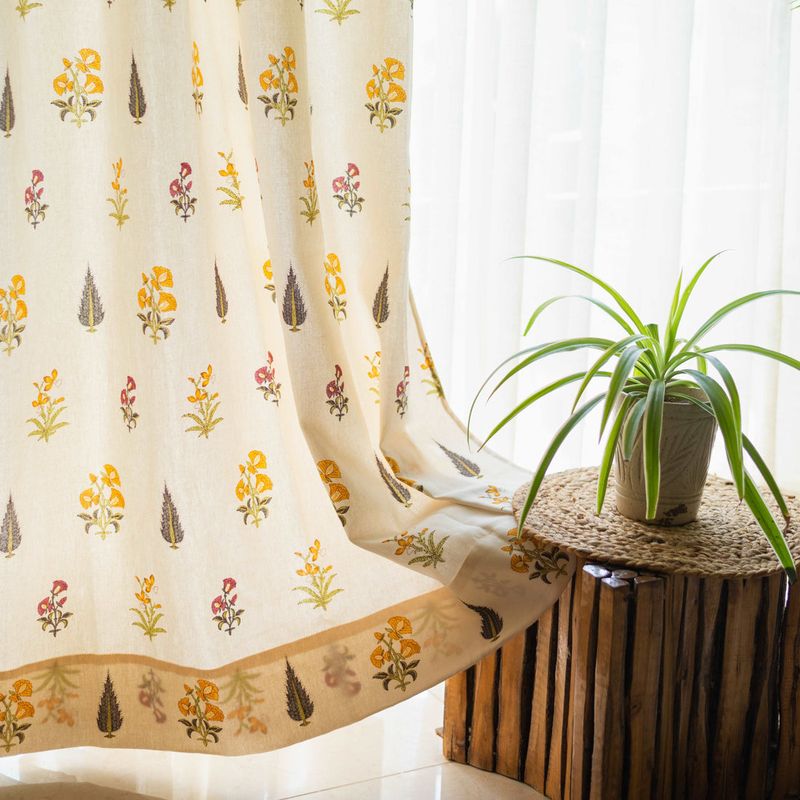
The Aesthetic Value of Soft Fabrics
While structured panels offer great functionality, adding soft fabric panels brings warmth, height, and movement to a room. Bare window frames can make rooms feel boxy or sterile, whereas flowing fabric softens hard wall angles.
Opting for curtains white colour styles brings a timeless, clean look to almost any interior design style. White fabric reflects natural light deep into dark corners, making compact rooms feel much larger and brighter. Whether you prefer crisp cotton, relaxed linen weaves, or light-filtering polyester, white panels create an open, fresh backdrop that lets your artwork and furniture take center stage.
White panels also transition effortlessly across changing interior trends. If you decide to repaint your walls or change your furniture down the line, white window fabrics adapt seamlessly without needing replacement.
Layering for Maximum Versatility
You do not have to choose strictly between hard panels and soft fabrics. Interior decorators frequently combine both options on a single window frame to achieve optimal light control and visual depth.
Mounting a set of adjustable window shades blinds directly inside the window recess handles the practical daily tasks like blocking direct glare and securing privacy. You can then hang flowing fabric drapes on a decorative rod mounted high above the outer frame.
When you want maximum daylight, raise the inner panels and pull the outer drapes back past the window edges. During hot afternoons, lower the hard panels while keeping the drapes open to diffuse the incoming light. At night, close both layers to create a quiet, insulated retreat that muffles outside traffic noise.
Getting Your Measurements Right
Measuring mistakes are the primary reason store-bought window treatments look awkward on the wall. Always use a steel tape measure rather than a flexible cloth tape to get precise numbers.
For inside mounts where hard panels sit inside the window frame, measure the exact width at three spots: the top, middle, and bottom. Use the narrowest measurement so the hardware slides up and down without scraping the sides.
For soft fabric drapes mounted outside the frame:
- Mount High: Position the hardware rod 4 to 6 inches above the top trim, or just below the ceiling crown moulding. This draws the eye upward and creates the illusion of higher ceilings.
- Extend Wide: Extend the rod 6 to 12 inches past the outer edge of the window frame on both sides. This allows pulled-back fabric to rest on the wall rather than covering valuable glass space.
- Check Lengths: Aim for the bottom hem to sit a quarter inch above the floor for a tailored finish, or let the fabric puddle slightly on the floor for a classic, relaxed look.
Selecting Materials That Fit Your Household Routine
Consider how much time you want to spend maintaining your window coverings. High-maintenance fabrics like unlined silk or delicate velvet require professional dry cleaning, while natural wood slats require careful dusting to avoid water damage.
If you have a busy household with kids or pets, look for easy-care materials. Washable cotton blends, durable polyester, and faux-wood composites handle daily activity effortlessly. Home decor brands like Urban Space offer easy-care fabric options and coordinated home textiles that withstand regular cleaning while keeping their rich color and structure over time.
Investing time into evaluating light levels, getting proper measurements, and choosing appropriate materials ensures your window treatments stay beautiful and functional for years to come.
`







Top comments (0)