
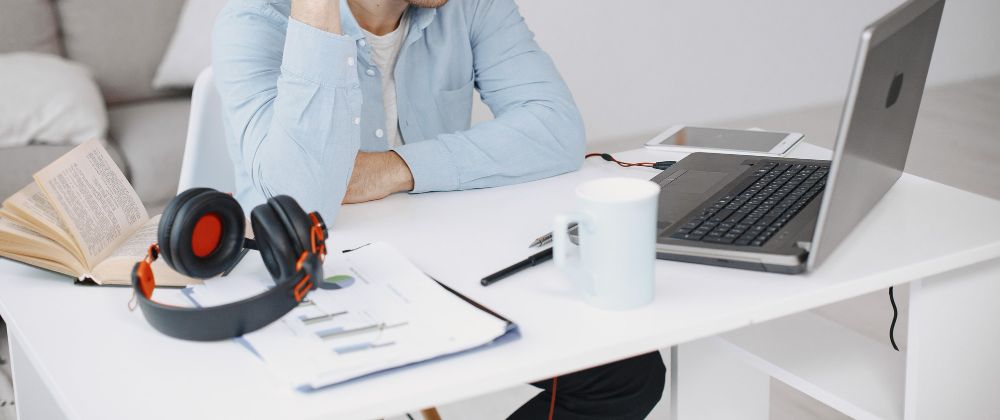

Although online exams are the norm in U.S. education, several students say they are more anxious than they are during in-person exams. Factors include unfamiliar proctoring software, technical issues, distractions at home, and lack of peer support. It can affect the performance of well-prepared students under this pressure.
For those who are genuinely underprepared due to illness or emergencies, responsibly hiring a professional to take my proctored exam for me provides a temporary bridge. This article explores the unique stressors of online exams and how ethical support can help students navigate these challenges while maintaining academic integrity.
Unique Stressors of Online Proctored Exams
The pressures that are placed on online exams are different from those in traditional test centers. The following are the most common reasons for anxiety.
Ethical Support as a Pressure Reliever
If students are inundated with many assignments and exams, they can pay someone to do my assignment or take a proctored test, which is a good temporary solution. The expert conducts an exam and gives a debrief on content and strategies. This material is studied by the student, which means that the student reduces his/her anxiety for future self-study. This moral support is like a pressure valve, so that students can learn without fear.
Technical Fear and Software Intrusion
The software tracks all movements: eyes, room scans, patterns on the keyboard. Students are threatened by the false flag, unintended eye actions considered cheating. If the screen freezes or the connection is lost during an exam, then the answers may be disregarded. In‑person exams are technology-free; online exams involve technology. This lack of control increases stress levels. But even the most self-assured students expend mental resources fretting about software, rather than enjoying themselves.
Home Environment Distractions
Test Center conditions are quiet, neutral, and supervised. Students at home have to deal with doorbell deliveries, interruptions from family, pet sounds and unreliable Wi‑Fi. Several people share their homes with others, and it's not possible to have one's own private, distraction-free space. Every time you're interrupted, you lose your concentration, and you need to reset your mind. Distractions accumulate during the two-hour exam, decreasing accuracy.
Absence of Social Cues
The in-person exams provide some reassurance – you see other people focused, so you feel normal. A proctor appears when the child raises their hand. The online exams separate the students. No one to look at for pacing; there's no shared sigh of relief. This isolation can lead to self-doubt: “Am I alone in this?” No social comparison, and small problems seem to be enormous. Perceived pressure is greater in solo performance, as the psychological impact of solo performance can be higher than the actual difficulty.
Comparing Psychological Load Across Test Formats
There are key differences between the stress reactions that occur during an online exam versus an in-person exam. It is helpful for students to understand these differences so that they can deal with them.
Perceived Surveillance and Autonomy Loss
Visible humans are in-person proctors. Online proctoring is as though invisible cameras are watching, but without the warmth of human eyes. Students say that they feel “watched by a machine,” which is a more judgmental feeling. This "scrutineering," or "mistake checking," results in increased cortisol, compared to visible human proctors. Loss of autonomy and inability to stretch, look to your side or think aloud increases frustration. Recent educational psychology research indicates that online exams create measurable physiological stress, which in-person exams do not.
Time Pressure with Digital Clocks
In‑person exams use wall clocks or personal watches. Online exams show countdown timers that decrease in size, flash on screen or beep. The fact that it's a constant reminder of how little time passes makes them more urgent. Students look at the timer so many times, adding micro-stress with each look. But a study reveals that digital countdowns actually affect performance on complex tasks, compared to traditional time displays. The content is not the issue, but rather the format itself that raises pressure. Students who are not properly prepared can learn from having to simulate timers.
No Physical Submissions as Closure
When a paper is given to a proctor, it is a physical closure, a physical end. It's an anticlimax to submit online. Students ask questions: Did it submit? Will the answers be saved? This ambiguity remains for days until grades are released. No ritual closure, extended anxiety. Test takers who take the test in person leave stress in the exam room. It is taken by the online test taker at home. The pressure is extended and impacts sleep quality, assignment focus, and well‑being for days following the exam.
Technical Support Delays and Isolation
During an in-person exam, technology issues are immediately solved by a proctor. On online exams, students wait in the chat queues, in email groups to the help desks, or reboot devices individually. Stress increases with every minute that passes. Students envision missing time, partial answers, and/or unequal consequences.
This helplessness, when it is impossible to solve an issue without going through endless loops of red tape, can only add to the stress, beyond the content itself. In the classroom, a student who is not well-prepared for the profession and utilizes professional exam support will not suffer this technical anxiety during the exam.
Conclusion
The pressures of taking an online exam are so different - technical anxiety, distractions at home, loneliness, digital stopwatch, and insatiable curiosity. These stressors can be more than what is seen in face-to-face exams, which can result in increased stress and performance anxiety. If a student is truly underprepared for whatever reason (illness or emergency), then I would like him or her to hire a professional to proctor my exam for me, or to pay someone to do my assignment, to allow for a temporary diagnostic link in the process.
The professional's debrief is an indirect study guide for subsequent independent attempts. You don't have to deal with the pressure by going through a process; you can do it by being ethically strong. You just need to show what you know, but do not panic. Begin by practising at home under timed conditions without distractions, as in an online exam. The pressure slowly gets handled.






Top comments (0)