
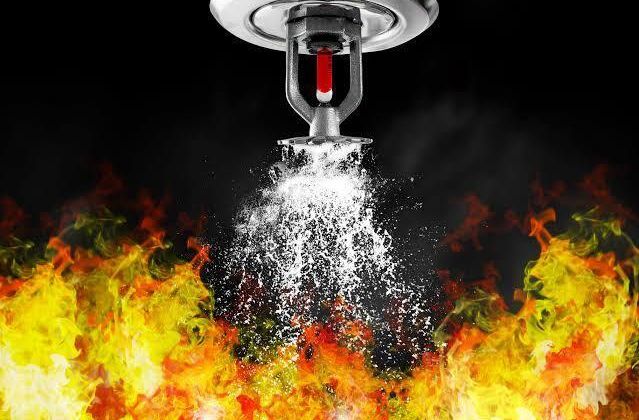

It is easy to look at a sprinkler head on the ceiling and assume it has just always been there, quietly doing its job as a permanent fixture of city life. But the story of how fire sprinkler systems in NYC became a citywide requirement is actually a lot more recent and a lot more eventful than most people realize.
Understanding that history helps explain why the current rules are structured the way they are, and why so many older buildings are still catching up to requirements that newer construction has followed from day one.
The Early Gap Between Sprinklers and Reality
For decades, sprinkler systems were common in new construction but far from universal in the city’s aging building stock. Older office towers, especially those built well before modern fire codes existed, often had no sprinkler coverage at all, relying instead on compartmentalization, fire doors, and manual response.
September 11 Changed the Conversation Permanently
Following the events of September 11, 2001, New York City convened a task force to review high-rise fire safety and life safety systems across the board. That review directly shaped the next major wave of fire code reform, with sprinkler retrofits becoming a central focus rather than an afterthought.
Local Law 26 Made It Official
This is the single biggest turning point in the story of fire sprinkler systems in NYC. Local Law 26 of 2004 required existing office buildings 100 feet or taller to be fully sprinklered by July 1, 2019. Owners had to file interim progress reports at the one-, seven-, and fourteen-year marks, followed by a final compliance certification, giving the city a structured way to track a massive citywide retrofit over fifteen years.
The Deadline Came With Real Consequences
Buildings that missed the 2019 deadline faced Department of Buildings violations, and eventually Environmental Control Board summonses carrying real financial penalties. A small number of exemptions exist, mainly for landmarked structures or buildings where installation is genuinely impractical, but those remain the exception rather than a common workaround.
Standards Kept Evolving Alongside the Law
Even as fire sprinkler systems in NYC became mandatory in more buildings, the standards governing their upkeep kept advancing too. NFPA 25 has gone through multiple revisions over the years, refining exactly how often each component needs inspection and testing, which is why compliance today looks more detailed than it did even a decade ago.
What This History Means for Owners Today
If you own an older building, understanding this timeline explains why you might still be dealing with retrofit-related compliance questions that a newer building simply never has to think about. It is not an oversight on your part. It reflects a genuinely different regulatory starting point.
Working Within a System That Is Still Maturing
Fire protection requirements in this city have never been static, and they are unlikely to stop evolving. Staying current means working with a team that tracks these changes closely. Companies like Inspector Sprinkler help building owners keep pace with evolving sprinkler compliance standards across the five boroughs.






Top comments (0)