
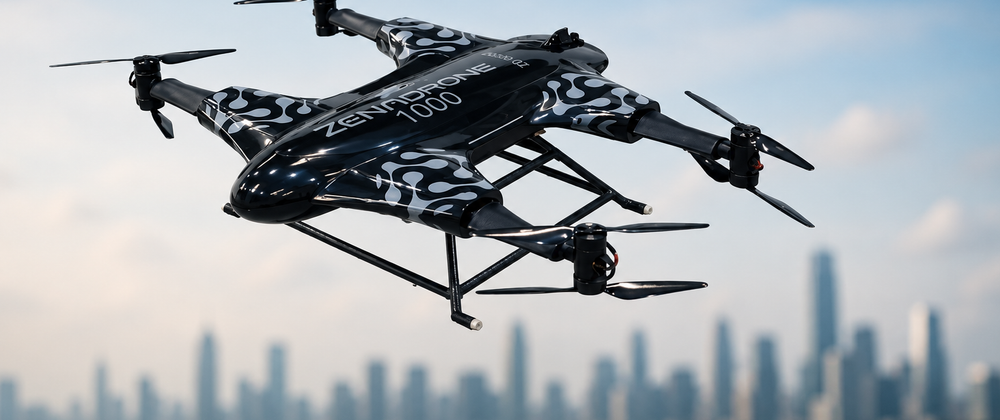

The transportation and logistics industry has experienced significant technological advancements over the past decade. From automated warehouses to AI-powered route optimization, innovation continues to reshape how goods move from one place to another. One of the most exciting developments in this transformation is drone delivery.
Drone delivery refers to the use of unmanned aerial vehicles (UAVs) to transport packages, medical supplies, food, and other goods directly to customers or designated locations. While once considered a futuristic concept, drone delivery is rapidly becoming a reality in many parts of the world.
This article explores how drone delivery works, its benefits, challenges, and the potential impact it may have on global logistics.
What is Drone Delivery?
Drone delivery is a logistics method that uses autonomous or remotely controlled drones to carry and deliver items. These drones are equipped with navigation systems, sensors, cameras, and communication technologies that allow them to travel safely and efficiently.
Depending on the application, drones can transport lightweight packages over short or medium distances. They can operate in urban areas, rural communities, and even locations that are difficult to access using traditional transportation methods.
How Drone Delivery Systems Work
A typical drone delivery operation involves several key steps:
- Order Processing A customer places an order through an online platform or delivery service. The system verifies the delivery location and package requirements.
- Route Planning Advanced software calculates the most efficient flight path while considering weather conditions, airspace regulations, and potential obstacles.
- Package Loading The package is securely attached to the drone. Weight and balance checks ensure safe flight operations.
- Autonomous Flight The drone follows a pre-programmed route using GPS technology and onboard sensors. Many systems are capable of avoiding obstacles and adjusting flight paths in real time.
- Delivery Completion The package is delivered to a designated drop-off location, customer property, or secure delivery station.
Benefits of Drone Delivery
Faster Delivery Times
One of the biggest advantages of drone delivery is speed. Drones can travel directly to destinations without being affected by road traffic, reducing delivery times significantly.
Improved Access to Remote Areas
Rural communities, islands, and disaster-affected regions often face transportation challenges. Drones can provide reliable access to essential supplies in locations that are difficult to reach by conventional vehicles.
Reduced Transportation Costs
For certain delivery scenarios, drones can lower operational expenses by reducing fuel consumption, vehicle maintenance costs, and labor requirements.
Environmental Benefits
Electric-powered drones produce fewer emissions than many traditional delivery vehicles. As sustainability becomes increasingly important, drone technology may help organizations reduce their environmental footprint.
Emergency Response Support
Medical organizations are already using drones to transport blood samples, medications, vaccines, and emergency supplies where rapid delivery can save lives.
Challenges Facing Drone Delivery
Although the technology offers exciting opportunities, several challenges remain.
Regulatory Compliance
Governments and aviation authorities must ensure that drone operations are conducted safely. Regulations regarding flight paths, altitude limits, and operational permissions continue to evolve.
Weather Conditions
Strong winds, heavy rain, and other adverse weather conditions can affect drone performance and limit operational reliability.
Battery Limitations
Current battery technology restricts flight duration and delivery range. Continued advancements in energy storage are expected to improve drone capabilities.
Airspace Management
As drone usage increases, effective traffic management systems will be necessary to ensure safe integration with existing aviation activities.
Real-World Applications
Drone delivery is already being tested and implemented across multiple sectors:
- Healthcare and medical supply transportation
- E-commerce package delivery
- Food and grocery distribution
- Disaster relief operations
- Industrial and infrastructure support
- Agricultural supply delivery These applications demonstrate the versatility and growing importance of drone-based logistics solutions.
Why Drone Delivery Matters for the Future
Consumer expectations for faster and more convenient delivery services continue to increase. Businesses are constantly seeking innovative ways to improve efficiency while reducing operational costs.
Drone technology offers a promising solution by enabling faster transportation, expanding access to underserved regions, and supporting sustainable logistics practices.
Those interested in learning more about the Future of Drone Delivery can explore how emerging technologies, automation, and aerial logistics are expected to reshape the movement of goods in the years ahead.
The Road Ahead
The future of drone delivery will likely depend on continued advancements in artificial intelligence, navigation systems, battery technology, and regulatory frameworks. As these areas improve, drones may become a common part of everyday logistics operations.
Industry experts predict that drone delivery networks could eventually complement traditional transportation systems, creating faster, more flexible, and more efficient supply chains.
Conclusion
Drone delivery represents one of the most innovative developments in modern logistics. By combining automation, advanced navigation, and aerial mobility, drones have the potential to transform how goods are transported around the world.
While challenges remain, ongoing technological progress and growing industry adoption suggest that drone delivery will play an increasingly important role in the future of transportation and supply chain management.







Top comments (0)