

As businesses and organizations continue to rely on digital technologies, the demand for faster, more reliable network infrastructure has never been greater. High-speed fiber optics solutions have become the preferred choice for delivering exceptional internet connectivity, seamless data transmission, and scalable communication networks. Unlike traditional copper-based systems, fiber optic technology uses light signals to transmit data at incredibly high speeds with minimal latency and signal loss. Whether supporting cloud computing, video conferencing, smart manufacturing, healthcare systems, or enterprise operations, high-speed fiber optics solutions provide the performance required to meet today's growing digital demands. Companies investing in advanced fiber infrastructure gain improved network reliability, enhanced security, and the flexibility needed to support future technological growth.
Understanding High-Speed Fiber Optic Technology
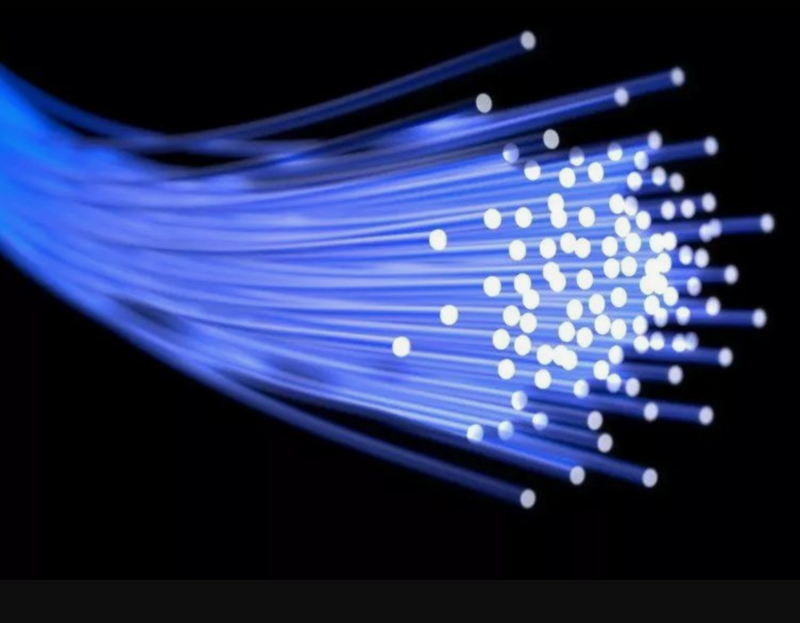
Fiber optic technology transmits information through thin strands of glass or plastic fibers using pulses of light instead of electrical signals. This advanced method allows significantly higher bandwidth and faster data transfer than conventional networking technologies. Businesses implementing high-speed fiber optics solutions benefit from consistent performance even during peak usage, making fiber ideal for environments where uninterrupted connectivity is essential. Unlike copper cables that may experience electromagnetic interference, fiber optic cables maintain signal integrity over long distances, ensuring reliable communication across offices, campuses, industrial facilities, and data centers. As digital transformation accelerates across industries, organizations increasingly choose fiber optic network solutions to support demanding applications and expanding workloads.
Key Benefits of High-Speed Fiber Optics Solutions
One of the biggest advantages of fiber optic technology is its ability to deliver exceptional speed without compromising reliability. High-bandwidth connections allow businesses to transfer large files quickly, stream high-definition video, operate cloud-based applications, and support hundreds of connected devices simultaneously. High-speed fiber optics solutions also offer lower latency, improving the performance of real-time applications such as video conferencing, VoIP communications, online collaboration, and remote operations. In addition to speed, fiber optic cables are highly durable, resistant to environmental interference, and require less maintenance compared to traditional networking systems. These advantages help organizations reduce downtime while maintaining efficient communication across every department.
Applications Across Multiple Industries
The versatility of fiber optic technology makes it valuable in nearly every industry. Corporate offices depend on reliable internet connections to support daily operations, cloud services, and digital collaboration platforms. Healthcare providers use business fiber internet solutions to enable secure access to electronic medical records, telemedicine services, and advanced diagnostic equipment. Educational institutions rely on high-speed connectivity to support online learning, virtual classrooms, and research activities. Manufacturing companies integrate fiber optic infrastructure into automated production systems, while financial institutions require secure, low-latency networks for processing transactions and protecting sensitive customer information. Government agencies, transportation networks, and smart city initiatives also benefit from high-speed internet solutions that provide dependable communication for critical operations.
Why Businesses Are Upgrading to Fiber Optic Networks
Modern businesses require network infrastructure capable of supporting continuous growth and evolving technology. Traditional broadband services often struggle to handle increasing bandwidth requirements as organizations adopt cloud computing, artificial intelligence, remote work environments, and Internet of Things (IoT) devices. Upgrading to high-speed fiber optics solutions provides businesses with scalable connectivity that can accommodate future expansion without sacrificing performance. Fiber networks also improve productivity by minimizing interruptions, accelerating data access, and enabling employees to collaborate efficiently from multiple locations. As organizations continue investing in digital transformation, enterprise fiber optic solutions have become a strategic asset for maintaining operational efficiency and remaining competitive.
Reliability and Security Advantages
Reliable communication is essential for every modern organization, and fiber optic technology offers significant advantages over conventional networking methods. Fiber cables are less susceptible to weather conditions, electrical interference, and physical degradation, helping maintain stable connections even in challenging environments. Additionally, fiber optic systems offer enhanced data security because intercepting light-based transmissions is considerably more difficult than tapping traditional copper cables. Businesses handling confidential information appreciate the added protection provided by secure fiber optic connectivity, helping safeguard customer data, financial records, and proprietary business information. These security and reliability benefits make fiber an excellent choice for industries where uninterrupted communication is critical.
Choosing the Right Fiber Optic Solution
Selecting the right fiber optic solution requires evaluating your organization's current and future connectivity requirements. Factors such as bandwidth needs, network size, scalability, installation quality, and ongoing technical support should all be considered before implementation. Businesses should work with experienced providers that offer customized fiber optic communication solutions designed to meet industry-specific requirements. Professional installation, certified equipment, proactive maintenance, and responsive customer support all contribute to maximizing network performance and long-term reliability. Investing in quality infrastructure today helps organizations avoid costly upgrades and performance limitations in the future.
The Future of Fiber Optic Connectivity
The future of digital communication depends heavily on advanced fiber optic infrastructure. As technologies such as 5G, artificial intelligence, cloud computing, autonomous systems, and smart cities continue to expand, demand for faster and more reliable connectivity will only increase. High-speed fiber optics solutions provide the foundation necessary to support these innovations while enabling organizations to adapt quickly to changing technology requirements. Continuous advancements in fiber optic engineering are delivering even greater speeds, improved efficiency, and expanded network capacity, making fiber one of the most valuable long-term investments for businesses seeking sustainable digital growth.
Conclusion
Investing in high-speed fiber optics solutions is one of the smartest decisions organizations can make to improve connectivity, enhance productivity, and prepare for future technological advancements. Whether supporting enterprise operations, educational institutions, healthcare facilities, manufacturing plants, or government agencies, fiber optic networks deliver unmatched speed, reliability, and scalability. Businesses searching for dependable fiber optic network solutions, enterprise fiber optic solutions, business fiber internet solutions, or high-speed internet solutions can benefit from infrastructure designed to meet both current demands and future expansion. As digital transformation continues across every industry, high-speed fiber optics solutions remain the foundation of fast, secure, and reliable communication for years to come.







Top comments (0)