

Water damage can occur suddenly and cause significant disruption to homes in Port Melbourne. Whether it’s due to heavy rainfall, burst pipes, appliance overflow, or stormwater intrusion, even a small amount of water can quickly spread through flooring, walls, and structural components. Acting promptly is essential to minimise damage, reduce repair costs, and prevent long-term issues such as mould growth or structural weakening.
In many cases, homeowners are unsure about the correct steps to take after water damage. While some minor incidents may seem manageable, most situations require professional assessment. Engaging experts in Water Damage Restoration Port Melbourne ensures that moisture is thoroughly removed and hidden damage is identified early. This helps protect your property from further deterioration and reduces the risk of costly repairs later.
Step 1: Identify the Source of Water
The first step after discovering water damage is to identify and stop the source of the problem. This could be a leaking pipe, overflowing appliance, roof leak, or stormwater entering the property. Turning off the main water supply or isolating the affected system can prevent additional water from spreading.
In coastal areas like Port Melbourne, stormwater intrusion and poor drainage can contribute to sudden flooding, especially during heavy rainfall. Once the source is controlled, it becomes easier to assess the extent of the damage and plan the next steps.
Step 2: Ensure Safety Before Entering Affected Areas
Before entering a water-damaged area, safety should be your top priority. Water and electricity can be extremely dangerous when combined, so it is important to switch off power to affected zones if it is safe to do so. Avoid walking on wet carpets or floors if there is any risk of electrical exposure.
Additionally, contaminated water from flooding may contain bacteria, debris, or chemicals. Wearing protective gear such as gloves and boots can reduce health risks while assessing the situation.
In more severe situations involving extensive water intrusion, professional Flooding Repairs Melbourne services may be required to safely manage the cleanup and restoration process.
Step 3: Remove Excess Water Quickly
Time is critical when dealing with water damage. The longer water remains within your property, the greater the risk of structural damage and mould growth. Removing standing water as quickly as possible helps limit absorption into walls, flooring, and furniture.
While small amounts of water may be removed using basic tools, larger volumes require specialised equipment such as industrial pumps and extraction units. Professional technicians can efficiently remove water and begin the drying process immediately, which significantly reduces long-term damage.
Step 4: Protect Your Belongings
Once water removal begins, it is important to protect your belongings from further damage. Move furniture, electronics, and valuable items to a dry area wherever possible. Items that have been exposed to water should be dried and cleaned promptly to prevent deterioration.
For carpets and soft furnishings, moisture can become trapped deep within the fibres and underlay. Without proper treatment, this can lead to unpleasant odours, bacterial growth, and permanent damage.
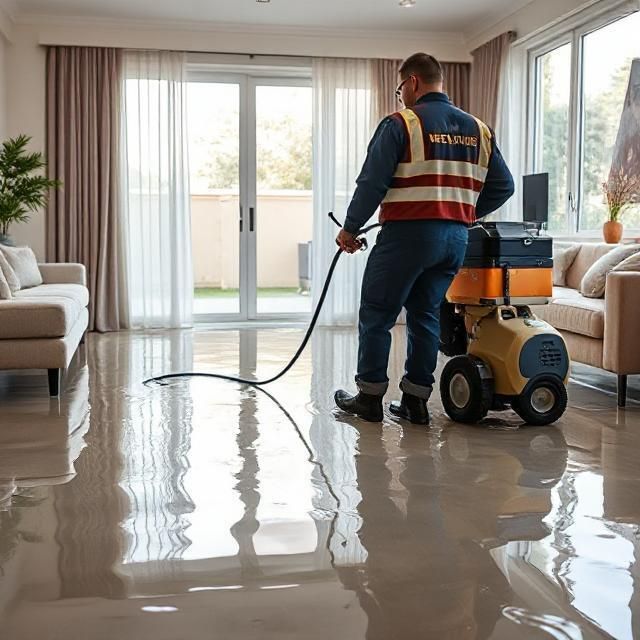
In such cases, professional Carpet Water Extraction Port Melbourne services are essential to remove embedded moisture and restore carpets effectively.
Step 5: Begin the Drying Process
After excess water has been removed, thorough drying is required to eliminate residual moisture. This involves the use of industrial-grade air movers and dehumidifiers to circulate air and reduce humidity levels.
Drying is a critical step because moisture can remain hidden within structural materials such as plasterboard, timber, and insulation. If not properly addressed, this hidden moisture can lead to mould growth and weaken the structural integrity of your property over time.
Professional drying ensures that all affected areas are properly treated, reducing the risk of future problems.
Step 6: Prevent Mould Growth
Mould can begin developing within 24 to 48 hours after water exposure, particularly in humid environments like Port Melbourne. Once mould starts to grow, it can spread rapidly and affect indoor air quality, posing health risks to occupants.
To prevent mould, it is important to ensure complete drying of all affected surfaces. Proper ventilation, humidity control, and early intervention are key factors in minimising the risk. If any signs of mould appear, professional remediation should be arranged immediately to prevent further spread.
Step 7: Assess Structural Damage
Water damage can weaken structural components such as flooring, walls, and support systems. Even if surfaces appear dry, internal damage may still exist. Conducting a thorough inspection helps identify areas that require repair or replacement.
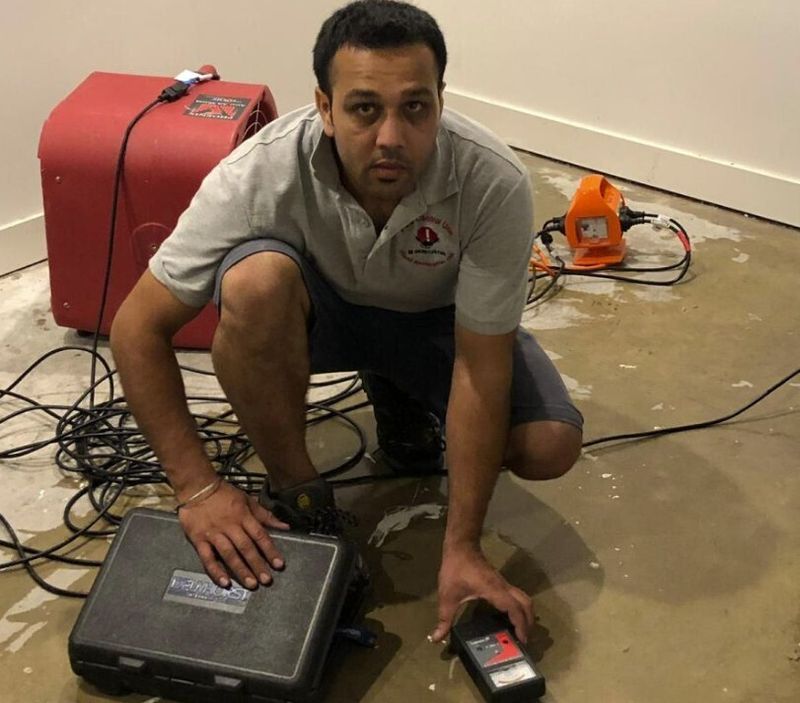
In many cases, professional restoration teams use moisture detection tools to assess hidden damage and ensure that the property is fully restored. This step is crucial in preventing long-term structural issues.
Step 8: Seek Professional Restoration Services
While minor water damage can sometimes be managed independently, most situations benefit from professional restoration services. Experienced technicians have the tools, knowledge, and equipment required to handle water damage efficiently and safely.
Professional services not only address visible damage but also focus on underlying issues such as moisture retention, air quality, and structural stability. This comprehensive approach ensures that your property is restored to a safe and habitable condition.
Final Thoughts
Water damage in Port Melbourne homes can escalate quickly if not addressed properly. Acting immediately, ensuring safety, removing water, and initiating proper drying are essential steps in minimising damage and protecting your property.
Understanding when to seek professional assistance is equally important. By taking the right actions early, homeowners can reduce repair costs, prevent mould growth, and restore their living environment effectively.
If your property has experienced water damage, prompt action combined with expert support will ensure the best possible outcome







Top comments (0)