
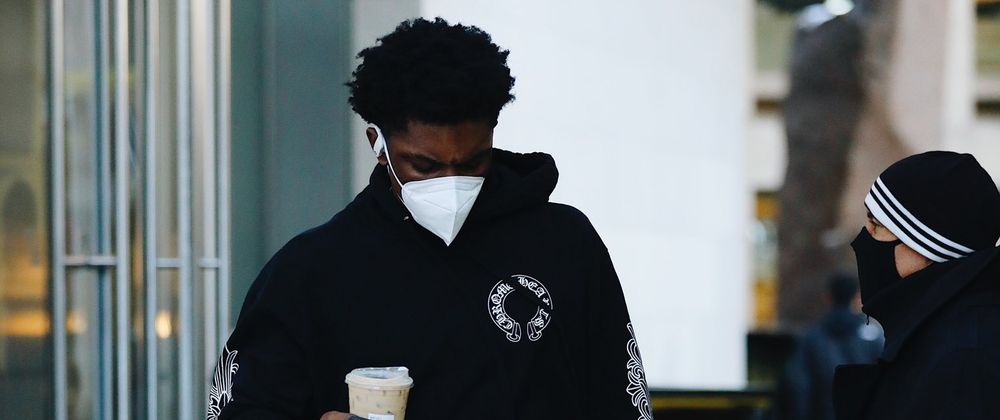

Chrome Hearts did not rise through traditional fashion industry playbooks. There were no seasonal marketing pushes aimed at mass attention, no aggressive retail expansion strategies, and no reliance on conventional advertising cycles. Instead, its position in modern culture developed through consistency, controlled scarcity, and a strong identity shaped over decades.
What makes its story interesting is not just how it sells clothing, but how it became part of cultural expression across music, fashion, and celebrity circles without relying on mainstream validation. Over time, it shifted from a niche leather goods workshop in Los Angeles to a recognizable name associated with luxury streetwear and handcrafted production values.
Origins Rooted in Craft and Subculture
Chrome Hearts was founded in 1988 in Los Angeles, originally focused on leather motorcycle gear. The early direction was influenced heavily by biker culture, rock music, and a handcrafted approach to design. Unlike brands that scale quickly through mass production, it built its identity slowly through physical craftsmanship and direct relationships with its early community.
The brand’s early products were not positioned for fashion runways or seasonal retail cycles. Instead, they were built for durability and use. Leather jackets, silver accessories, and hardware-heavy details of chromheartofficial.com reflected a functional mindset rather than a trend-driven one. This foundation created long-term credibility among people who valued authenticity over mainstream fashion approval.
Aesthetic Language Built Through Materials
A defining part of Chrome Hearts is its consistent material language. Sterling silver, heavyweight leather, dark tones, and gothic-inspired detailing are not random choices but part of a long-term visual identity. These elements create immediate recognition without needing logos or advertising campaigns to explain the brand.
Unlike many luxury labels that frequently shift visual direction, Chrome Hearts has maintained a stable design identity. This continuity is a key reason it has remained culturally relevant across decades. The consistency signals commitment rather than trend chasing, which is often valued in luxury markets.
The handcrafted production process also contributes to its positioning. Many items are still produced in limited quantities with attention to detail that separates them from mass luxury goods. This production approach reinforces the idea that each piece carries time, labor, and human involvement rather than industrial repetition.
The Role of Scarcity in Cultural Value
One of the most influential aspects of Chrome Hearts’ rise is its controlled availability. The brand does not operate like typical fashion retailers that rely on constant online inventory updates or seasonal discount cycles. Instead, distribution is selective, and many products are available only through specific retail locations.
This controlled access has shaped how consumers perceive the brand. Scarcity creates attention without traditional advertising. People often encounter Chrome Hearts through secondary channels such as celebrity appearances, music videos, or private collections rather than standard retail browsing.
However, this scarcity is not artificial marketing hype in the short-term sense. It is a long-term operational model that aligns with its production pace and brand philosophy. The result is a market where demand consistently exceeds supply, reinforcing its cultural positioning.
Influence Through Music and Celebrity Culture
Chrome Hearts gained significant cultural traction through its presence in music and entertainment circles. Hip-hop artists, rock musicians, and fashion-forward celebrities began wearing its pieces long before luxury streetwear became a global trend category.
This organic adoption played a major role in shaping public perception. Rather than relying on paid campaigns or traditional endorsements, the brand became visible through real usage by influential figures. Over time, this visibility created a feedback loop where cultural figures reinforced its relevance simply by continuing to wear it.
The brand’s presence in music culture is particularly important. Hip-hop culture, in particular, has historically influenced global fashion direction, and Chrome Hearts became a part of that visual language. Its silver jewelry, graphic-heavy apparel, and leather pieces became recognizable elements in music videos and public appearances.
Retail Strategy and Controlled Experience
Chrome Hearts stores are not designed as conventional retail environments. Each location is often customized with architectural details, furniture, and interior elements that reflect the brand’s identity rather than standardized retail layouts.
This approach creates consistency in tone but variation in physical experience. Instead of relying on large-scale advertising campaigns, the brand uses physical environments as storytelling spaces. Customers encounter the brand through space, materials, and atmosphere rather than digital marketing funnels.
The limited number of stores also reinforces exclusivity. Unlike global luxury brands with hundreds of storefronts, Chrome Hearts maintains selective retail distribution. This strategy contributes to a sense of rarity and controlled access.
Collaborations and Cultural Positioning
Over time, Chrome Hearts has engaged in selective collaborations, often choosing partners that align with its identity rather than broad commercial appeal. These collaborations are not mass-produced marketing events but curated partnerships that maintain design consistency.
In many cases, collaboration pieces still carry the brand’s core visual elements, ensuring that identity is not diluted. This careful approach has helped it avoid overexposure, a common challenge for fashion labels that expand too quickly through partnerships.
The brand’s cultural positioning is also influenced by its independence. It operates with a level of creative control that allows it to avoid rapid trend shifts. This independence has contributed to long-term stability in perception.
Craftsmanship as Cultural Capital
A key reason Chrome Hearts maintains relevance is the emphasis on craftsmanship as cultural value. In a market increasingly driven by digital fashion cycles and fast production, handcrafted goods carry a different kind of authority.
Each item reflects time-intensive production methods that are not easily replicated at scale. This creates a natural distinction between mass luxury and craft-based luxury. Consumers often associate this level of production with durability and long-term value.
Craftsmanship also becomes part of the brand narrative. It is not just about how products look, but how they are made and why that process matters in the context of modern fashion consumption.
Long-Term Cultural Positioning
Rather than following rapid shifts in fashion cycles, Chrome Hearts has maintained a slower, more controlled trajectory. This long-term approach has allowed it to remain relevant across different eras of fashion without needing constant reinvention.
Its presence today spans multiple cultural categories: luxury fashion, streetwear, music culture, and collectible design. This cross-category relevance is part of what makes it a cultural landmark rather than just a fashion label.
The brand’s influence is not measured solely by sales or visibility but by its integration into cultural behavior. When a label becomes part of how people express identity across different creative fields, it moves beyond fashion and into cultural infrastructure.







Top comments (0)