

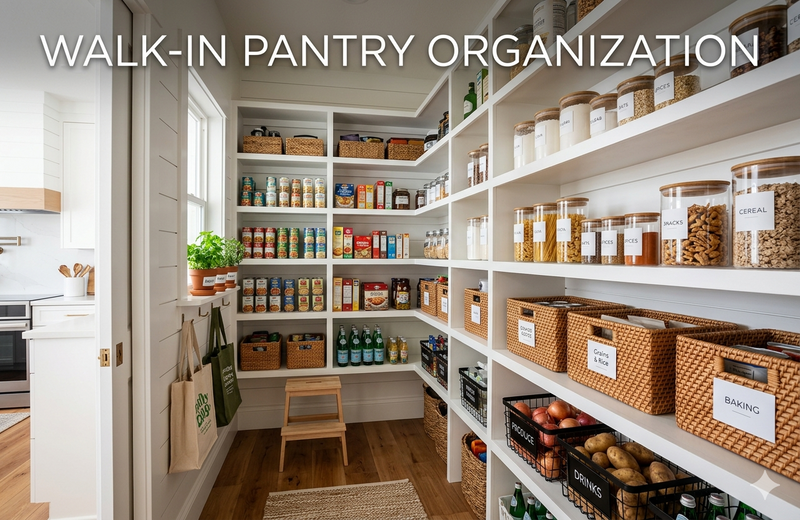
However, more space does not automatically mean better organization. Without a proper system, items can get lost, expired food can pile up, and valuable storage space may go unused. That is why a structured approach to walk in pantry organization is essential.
The goal is to create a system where everything has a defined place, is easy to access, and is regularly maintained.
Why Walk in Pantry Organization Matters
Before exploring solutions, it is important to understand why organization plays a key role in pantry functionality.
Saves Time in Daily Cooking
When your pantry is well organized, you can quickly locate ingredients without searching through cluttered shelves. This improves cooking efficiency and reduces stress.
Reduces Food Waste
Clear visibility of items helps you track expiration dates and prevents buying unnecessary duplicates.
Maximizes Storage Space
Proper organization ensures every shelf, corner, and container is used effectively, even in smaller walk in pantries.
Improves Kitchen Aesthetics
A clean and structured pantry enhances the overall look of your kitchen space and creates a more enjoyable cooking environment.
Planning the Layout for Walk in Pantry Organization
A successful pantry starts with a smart layout. Before adding shelves or containers, consider how the space will be used.
Zone-Based Design
Dividing your pantry into zones is one of the most effective organization methods. Common zones include:
Baking supplies (flour, sugar, baking tools)
Cooking essentials (oils, spices, sauces)
Snacks and ready-to-eat items
Breakfast station (cereal, oats, coffee)
Storage for appliances
This system ensures similar items stay together, making them easier to find.
Shelf Placement Strategy
Place frequently used items at eye level. Heavy items should go on lower shelves for safety, while less-used products can be stored higher up.
Leave Room for Growth
A common mistake is overfilling shelves. Always leave extra space for new groceries to maintain flexibility.
Essential Storage Solutions for Walk in Pantry Organization
The right storage tools can completely transform your pantry.
Clear Containers and Jars
Using transparent containers helps you see exactly what you have. This reduces food waste and keeps dry goods fresh longer. Labeling each container adds even more clarity.
Adjustable Shelving
Adjustable shelves allow you to change heights based on storage needs. This is especially useful for storing tall bottles or small jars.
Pull-Out Drawers and Baskets
These are ideal for deep pantry spaces where items at the back are hard to reach. Pull-out storage ensures nothing gets forgotten.
Door Racks
The inside of pantry doors is often wasted space. Adding racks can store spices, sauces, or small packets efficiently.
Lazy Susans
Rotating trays are perfect for storing condiments and jars. They help you access items easily without knocking over others.
Smart Organization Techniques for Walk in Pantry Organization
Beyond storage tools, organization methods play a big role in maintaining order.
FIFO Method (First In, First Out)
Always place newer items behind older ones. This ensures older food is used first, reducing waste.
Label Everything
Labels help identify items quickly and maintain order, especially in shared kitchens.
Group Similar Items Together
Keep all snacks in one area, all baking ingredients in another, and so on. This prevents confusion and saves time.
Use Vertical Space
Install tall shelving units or stackable containers to make use of vertical storage space.
Maintain a Cleaning Schedule
A pantry should be cleaned regularly. A monthly check helps remove expired products and reorganize items.
Common Mistakes in Walk in Pantry Organization
Even large pantries can become inefficient if common mistakes are made.
Overcrowding Shelves
Too many items on one shelf make it difficult to find things and can lead to disorganization.
Ignoring Expiry Dates
Failing to check expiration dates leads to wasted food and unnecessary clutter.
Lack of Labeling
Without labels, it becomes difficult to maintain order, especially in larger households.
Poor Lighting
A poorly lit pantry makes it harder to see items, leading to disorganization and inconvenience.
Design Ideas for Better Walk in Pantry Organization
A well-designed pantry is both functional and visually appealing.
Open Shelving Design
Open shelves provide easy visibility and quick access. They are ideal for frequently used items.
Built-In Storage Units
Custom-built shelving units maximize space efficiency and create a clean, modern look.
Minimalist Style
A minimalist pantry avoids overcrowding and focuses only on essential items.
Industrial Style Pantry
Metal shelving and exposed materials create a durable and modern aesthetic.
Compact Efficient Design
Even small walk in pantries can be highly efficient when vertical space and corner areas are used properly.
Maintenance Tips for Long-Term Walk in Pantry Organization
Organization is not a one-time task. It requires consistent maintenance.
Weekly Quick Check
Spend a few minutes each week checking for spills or misplaced items.
Monthly Deep Clean
Remove everything once a month to clean shelves and reorganize items.
Seasonal Decluttering
Every few months, remove unused or expired products and reassess storage needs.
Update Storage Systems
As your household needs change, adjust shelves and containers accordingly.
Benefits of a Well-Organized Walk in Pantry
When properly organized, a walk in pantry becomes more than just storage space. It becomes a highly functional part of the kitchen.
You gain:
Faster meal preparation
Better inventory control
Reduced grocery costs
Cleaner kitchen environment
Improved overall efficiency
A well-maintained pantry also reduces daily stress by eliminating unnecessary searching and clutter.
Conclusion
Walk in pantry organization is an essential part of creating a functional and efficient kitchen. By planning a smart layout, using proper storage solutions, and maintaining consistent organization habits, you can transform even a cluttered pantry into a well-structured space.
The key is to focus on simplicity, accessibility, and consistency. Whether your pantry is large or small, the right system will help you maximize space, save time, and improve your overall kitchen experience.
With the right approach, your walk in pantry can become one of the most organized and useful areas in your home.







Top comments (0)