
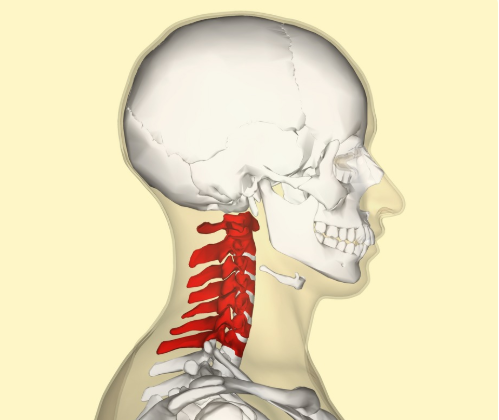

A Gentle Introduction to Your Neck’s Design
Your spine is built to do two important things at once: keep you stable and help you move. At the very top of this structure are two small bones that make a big difference in how your neck works. Many people don’t realize that The upper two vertebrae are the most mobile parts of the spine, and this is exactly what allows your head to move freely in different directions.
Getting Familiar with the Atlas and Axis
The first vertebra, called the atlas, supports your skull and helps you nod your head up and down. Just below it is the axis, which allows your head to rotate from side to side. Together, these two bones form a unique system that gives your neck its flexibility. Without them, even simple movements like looking over your shoulder would feel stiff and limited.
Why This Mobility Matters in Everyday Life
From the moment you wake up to the time you go to sleep, your neck is constantly in motion. Whether you are checking your phone, talking to someone, or driving, your head needs to move smoothly. The reason this happens so easily is because The upper two vertebrae are the most mobile parts of the spine, giving you the freedom to move without thinking about it.
How These Vertebrae Stand Out from the Rest
Unlike other bones in the spine, the atlas and axis are shaped differently. The atlas is more like a ring that holds your skull, while the axis has a small peg-like structure that allows rotation. This special design is what makes this area so flexible compared to the rest of your spine.
Balancing Flexibility with Stability
Even though these vertebrae are highly mobile, they also need to stay stable. Ligaments and muscles around the neck work hard to keep everything in place. This balance between movement and support is what allows you to move freely without putting your neck at risk.
Why This Area Can Be Sensitive
Because The upper two vertebrae are the most mobile parts of the spine, they are also more prone to strain. Sudden movements, poor posture, or minor injuries can affect their alignment. When this happens, you may feel stiffness, discomfort, or a reduced range of motion in your neck.
Recognizing Early Signs of Discomfort
Problems in the upper neck do not always show up as severe pain. Sometimes it starts as a slight tightness, frequent headaches, or difficulty turning your head. These small signs are your body’s way of telling you that something may be off and needs attention.
The Role of Daily Habits in Neck Health
Your everyday routine has a strong impact on your upper spine. Spending hours looking down at your phone or sitting at a desk can put extra pressure on your neck. Over time, these habits may affect alignment and lead to discomfort. Being mindful of how you hold your head can make a big difference.
Why Good Posture Is Essential
Maintaining proper posture helps keep your spine in a natural position. When your head is aligned with your shoulders, there is less strain on the upper vertebrae. Simple adjustments like sitting upright and keeping screens at eye level can help protect your neck from unnecessary stress.
Keeping Your Neck Active and Flexible
Movement is important for keeping your neck healthy. Gentle stretches and slow rotations can help maintain flexibility and reduce stiffness. Since The upper two vertebrae are the most mobile parts of the spine, regular movement helps them stay functional and comfortable.
How Stress Can Affect Your Neck
Stress often shows up in the body as muscle tension, especially in the neck and shoulders. This tension can limit movement and cause discomfort. Learning to relax through breathing exercises or simple breaks during the day can help reduce this strain.
Simple Ways to Support Your Upper Spine
Taking care of your neck does not require major changes. Small steps like staying active, adjusting your posture, and taking breaks from repetitive activities can go a long way. These habits help maintain alignment and prevent unnecessary strain.
When to Seek Extra Support
If you notice ongoing discomfort or limited movement, it may be time to get professional advice. Addressing issues early can help prevent them from becoming more serious. Listening to your body is one of the best ways to protect your spine.
The Importance of Strength and Support
A healthy neck depends on both flexibility and strength. While mobility allows for smooth movement, strong muscles provide the support needed to keep everything stable. Together, they help your upper spine function properly.
Building Awareness for Better Health
Understanding that The upper two vertebrae are the most mobile parts of the spine helps you appreciate how important this area is. With this awareness, you can take simple steps to care for your neck and prevent discomfort.
Looking Ahead to a More Comfortable Life
Your neck plays a vital role in your daily comfort and movement. By paying attention to your habits and caring for your upper spine, you can enjoy better flexibility and less discomfort. With consistent effort, it is possible to keep your neck healthy, strong, and ready for whatever your day brings.






Top comments (0)