

Workplace safety is no longer optional—it’s a necessity across industries. Whether you’re on a construction site, in a manufacturing unit, or working in a laboratory, the right safety wear plays a crucial role in protecting you from potential hazards. From helmets and gloves to high-visibility jackets and steel-toe boots, industrial workwear and protective clothing are designed to reduce risks and ensure a safer working environment.
In this comprehensive guide, we’ll explore everything you need to know about safety wear, its importance, types, and how to choose the right gear for your job.
What is Safety Wear?
Safety wear, also known as protective clothing, refers to garments and equipment specifically designed to safeguard workers from workplace hazards. These hazards can include physical injuries, chemical exposure, extreme temperatures, electrical risks, and more.
Industrial workwear is a broader category that combines durability, comfort, and safety features, ensuring workers can perform their tasks efficiently while staying protected.
Why Safety Wear is Important
The importance of safety wear cannot be overstated. It serves as the first line of defense against workplace injuries and accidents.
Prevents Injuries
Proper protective clothing minimizes the risk of cuts, burns, fractures, and other injuries.Ensures Compliance
Most industries have strict safety regulations. Wearing appropriate industrial workwear helps businesses comply with legal requirements.Boosts Productivity
When workers feel safe, they can focus better on their tasks, leading to improved efficiency.Enhances Professionalism
Uniform safety wear gives a professional appearance and promotes a culture of safety within the workplace.
Types of Safety Wear
Different jobs require different types of safety wear. Here are the most common categories:
Head Protection
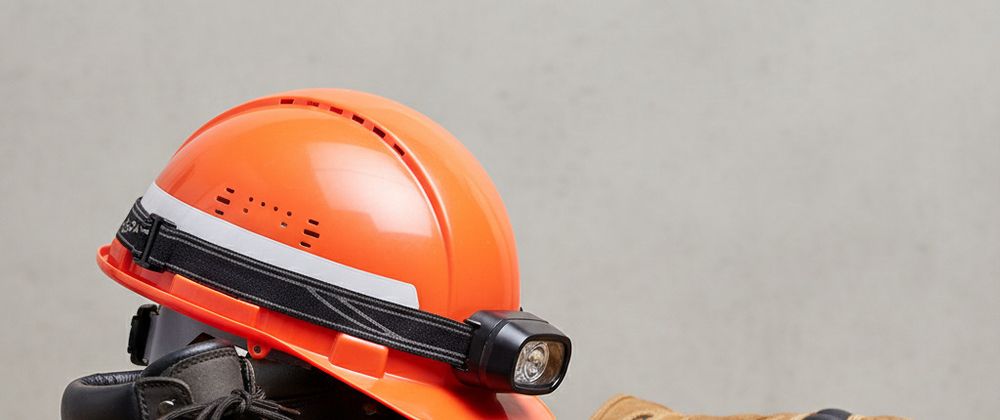
Helmets and hard hats protect against falling objects and head injuries. Essential for construction and heavy industries.Eye and Face Protection
Safety goggles and face shields prevent injuries from debris, chemicals, and sparks.Hearing Protection
Earplugs and earmuffs are vital in noisy environments like factories and construction sites.Respiratory Protection
Masks and respirators protect workers from dust, fumes, and harmful gases.Hand Protection
Gloves are a key part of protective clothing, offering protection against cuts, chemicals, and heat.Foot Protection
Safety boots with steel toes protect against heavy objects, slips, and electrical hazards.Body Protection
This includes coveralls, high-visibility vests, flame-resistant clothing, and waterproof gear—core components of industrial workwear.
Key Features to Look for in Safety Wear
Choosing the right safety wear requires careful consideration. Here are the key features to keep in mind:
Material Quality
High-quality materials ensure durability and effective protection. For example, flame-resistant fabrics are essential in high-risk environments.Comfort and Fit
Ill-fitting protective clothing can reduce mobility and increase the risk of accidents.Durability
Industrial workwear should withstand harsh conditions and frequent use.Visibility
High-visibility clothing is crucial for workers in low-light or high-traffic areas.Compliance Standards
Ensure the safety wear meets industry standards and certifications.
Safety Wear for Different Industries
Construction Industry
Workers require helmets, gloves, safety boots, and high-visibility jackets. Durable industrial workwear is essential due to the physically demanding environment.
Manufacturing Industry
Protective gloves, goggles, and hearing protection are crucial to prevent injuries from machinery and noise.
Healthcare Sector
Protective clothing such as masks, gloves, and gowns helps prevent contamination and infection.
Oil and Gas Industry
Flame-resistant safety wear is necessary to protect against fire hazards and extreme conditions.
Warehousing and Logistics
High-visibility vests and safety shoes help prevent accidents in busy environments.
How to Choose the Right Safety Wear
Selecting the right safety wear depends on your work environment and the risks involved.
Identify Workplace Hazards
Conduct a risk assessment to determine the type of protective clothing needed.Choose Industry-Specific Gear
Different industries require specialized industrial workwear.Prioritize Comfort
Comfortable workers are more productive and less likely to remove safety gear.Check Certifications
Always choose certified safety wear that meets safety standards.Consider Weather Conditions
For outdoor work, choose weather-appropriate protective clothing such as waterproof or insulated gear.
Maintenance and Care of Safety Wear
Proper maintenance ensures your safety wear remains effective over time.
Regular Cleaning
Dirty or contaminated protective clothing can lose its effectiveness.
Inspect for Damage
Check for tears, cracks, or worn-out areas in your industrial workwear.
Replace When Necessary
Worn-out safety gear should be replaced immediately to maintain protection.
Proper Storage
Store safety wear in a clean and dry place to prevent damage.
Common Mistakes to Avoid
Even with the best safety wear, mistakes can reduce its effectiveness:
Wearing the wrong type of protective clothing
Ignoring proper fit and comfort
Failing to maintain or replace damaged gear
Not following safety guidelines
Using low-quality industrial workwear
Avoiding these mistakes can significantly improve workplace safety.
Future Trends in Safety Wear
The world of safety wear is evolving with technology:
Smart helmets with sensors
Wearable devices that monitor health and fatigue
Advanced materials for better protection and comfort
Eco-friendly protective clothing
These innovations are making industrial workwear more efficient and user-friendly.
FAQ's
What is the difference between safety wear and industrial workwear?
Safety wear focuses on protection against hazards, while industrial workwear combines safety, durability, and comfort for daily tasks.How often should safety wear be replaced?
It depends on usage and condition. Damaged or worn-out protective clothing should be replaced immediately.Is safety wear mandatory in all industries?
Most industries require safety wear as part of workplace safety regulations, especially high-risk sectors.How do I choose the right safety wear for my job?
Assess workplace risks and choose certified industrial workwear that offers the necessary protection.Can safety wear improve productivity?
Yes, comfortable and reliable protective clothing helps workers focus better and perform efficiently.What materials are best for protective clothing?
Materials depend on the hazard—flame-resistant fabrics for fire risks, waterproof materials for wet conditions, and cut-resistant fabrics for sharp objects.







Top comments (0)