
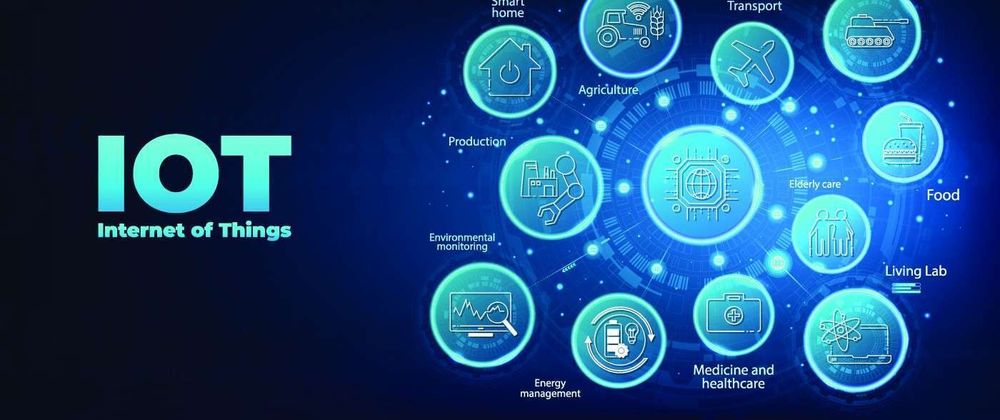

The Internet of Things (IoT) has moved beyond experimentation and pilot projects. Today, it sits at the center of enterprise transformation strategies across industries such as manufacturing, healthcare, logistics, energy, retail, and smart infrastructure. Organizations are no longer asking whether they should adopt IoT; they are asking how to implement it in a way that creates measurable business value.
While off-the-shelf IoT platforms may offer quick deployment, they rarely address the nuanced requirements of complex enterprises. This is where custom IoT software solutions make a strategic difference. Tailored systems align directly with operational workflows, regulatory environments, integration ecosystems, and long-term scalability goals.
This article explores how custom IoT software solutions drive tangible business impact, strengthen competitive advantage, and unlock new revenue opportunities.
Understanding Custom IoT Software Solutions
Custom IoT software solutions are purpose-built systems designed to connect devices, collect data, analyze insights, and automate actions according to specific business objectives. Unlike generic platforms, these solutions are engineered around:
Industry-specific compliance and standards
Integration with legacy and modern enterprise systems
Unique data models and workflows
Scalable cloud or hybrid infrastructure
Advanced analytics and AI capabilities
A specialized custom software development company in dubai can design IoT architectures that address regional regulatory frameworks, infrastructure constraints, and enterprise-grade performance expectations while ensuring seamless global scalability.
Operational Efficiency Through Intelligent Automation
One of the most immediate impacts of custom IoT implementation is operational optimization. Connected devices continuously capture data from machines, assets, vehicles, and environments. When this data is processed through tailored software systems, it enables real-time visibility and automation.
Predictive Maintenance
Instead of relying on fixed maintenance schedules, IoT systems monitor equipment performance and detect anomalies before breakdowns occur. This reduces downtime, extends asset lifespan, and minimizes emergency repair costs.
Workflow Automation
Custom-built IoT platforms integrate with ERP, CRM, and supply chain systems to automate decision-making. For example:
Triggering inventory replenishment when stock reaches a threshold
Adjusting production speed based on demand fluctuations
Redirecting logistics routes based on real-time traffic conditions
These capabilities translate into cost savings, reduced waste, and improved productivity.
Data-Driven Decision Making at Scale
Raw data has little value unless it is contextualized and actionable. Custom IoT software centralizes device data into dashboards, analytics engines, and reporting tools tailored to executive and operational roles.
Real-Time Business Intelligence
Leadership teams gain instant access to performance metrics such as:
Equipment utilization rates
Energy consumption patterns
Supply chain bottlenecks
Customer usage behaviors
This empowers faster and more accurate decision-making.
Advanced Analytics and Forecasting
By integrating machine learning models, IoT platforms can forecast demand, identify inefficiencies, and anticipate risks. For example, energy providers can predict consumption peaks, while manufacturers can forecast production capacity needs based on machine performance trends.
The strategic advantage lies not just in collecting data, but in converting it into predictive insights that shape business strategy.
Revenue Growth Through New Business Models
Custom IoT software enables organizations to move beyond traditional revenue structures and adopt innovative business models.
Product-as-a-Service (PaaS)
Manufacturers can shift from selling products outright to offering subscription-based usage models. IoT sensors track product performance and usage, allowing billing based on consumption rather than ownership.
Value-Added Services
Connected devices allow companies to offer remote diagnostics, performance optimization, and proactive support services. This enhances customer experience while generating recurring revenue streams.
Personalized Customer Experiences
Retailers and service providers can leverage IoT data to tailor offerings in real time. Smart shelves, connected kiosks, and sensor-driven environments create dynamic customer journeys that increase engagement and conversions.
By embedding intelligence into products and services, businesses transform IoT from a cost center into a revenue engine.
Strengthened Security and Risk Management
Security remains a critical concern in IoT ecosystems due to the large number of connected endpoints. Custom IoT software solutions address this by implementing:
End-to-end encryption
Secure device authentication
Role-based access controls
Real-time anomaly detection
Because the architecture is purpose-built, security measures are integrated from the design phase rather than layered as an afterthought. This reduces vulnerabilities and ensures compliance with industry regulations.
In sectors such as healthcare and finance, where data protection is non-negotiable, tailored security frameworks significantly reduce operational risk and reputational damage.
Scalability and Long-Term Flexibility
Business growth demands adaptable technology infrastructure. Custom IoT platforms are designed with scalability in mind, allowing organizations to:
Add new device types without major system redesign
Expand across geographic regions
Integrate emerging technologies
Handle increasing data volumes efficiently
Unlike rigid pre-built solutions, custom systems evolve alongside business expansion strategies. This future-ready architecture protects initial investments and prevents costly replatforming in later stages.
Industry-Specific Business Impact
Manufacturing
IoT enables smart factories with connected machines, automated quality checks, and energy optimization systems. The result is reduced downtime, improved output consistency, and enhanced supply chain coordination.
Healthcare
Connected medical devices allow remote patient monitoring, real-time diagnostics, and improved asset tracking within hospitals. This leads to better patient outcomes and operational cost control.
Logistics and Transportation
Fleet tracking systems monitor vehicle health, route efficiency, and fuel usage. Custom analytics optimize delivery schedules and reduce operational expenses.
Energy and Utilities
Smart meters and grid monitoring solutions enhance demand forecasting and reduce energy losses. Real-time insights improve infrastructure resilience.
Across industries, the business impact is measurable in efficiency gains, revenue growth, and strategic agility.
Competitive Advantage Through Digital Differentiation
In highly competitive markets, technology-driven differentiation becomes a decisive factor. Custom IoT software allows organizations to design proprietary ecosystems that competitors cannot easily replicate.
Instead of relying on standardized tools available to everyone, enterprises develop unique operational frameworks and customer engagement strategies powered by connected intelligence.
This exclusivity strengthens brand positioning, increases customer loyalty, and creates barriers to entry.
Cost Considerations and ROI
Although custom IoT development requires higher upfront investment compared to off-the-shelf platforms, the long-term return often outweighs initial costs.
Reduced Operational Expenses
Automation, predictive maintenance, and optimized resource utilization significantly lower ongoing operational costs.
Minimized Downtime
Real-time monitoring prevents unexpected disruptions that could otherwise cause major financial losses.
Higher Customer Retention
Enhanced service quality and proactive support improve customer satisfaction and lifetime value.
When evaluated over a multi-year horizon, custom IoT solutions typically deliver strong ROI through sustained efficiency and innovation.
Implementation Best Practices
To maximize business impact, organizations should:
Define clear business objectives before technology selection
Conduct infrastructure readiness assessments
Prioritize cybersecurity from the start
Adopt modular architecture for scalability
Establish continuous monitoring and performance metrics
Successful IoT adoption is not purely a technology initiative; it requires alignment between leadership, operations, IT, and compliance teams.
Conclusion
Custom IoT software solutions are not merely technical upgrades; they are strategic enablers of digital transformation. By aligning connected ecosystems with specific business goals, organizations can achieve operational excellence, unlock new revenue models, strengthen security, and gain a sustainable competitive edge.
Enterprises that invest in tailored IoT architectures position themselves to adapt quickly to market changes, leverage data as a strategic asset, and lead innovation within their industries.
FAQs
1. What is the main business benefit of custom IoT software solutions?
The primary benefit is alignment with specific business objectives. Custom solutions integrate seamlessly with existing systems, automate workflows, and provide actionable insights that directly improve efficiency and revenue generation.
2. How do custom IoT platforms improve operational efficiency?
They enable real-time monitoring, predictive maintenance, and automated decision-making. This reduces downtime, minimizes resource waste, and streamlines complex processes across departments.
3. Are custom IoT solutions secure?
Yes, when designed properly. Custom-built systems incorporate encryption, authentication protocols, and role-based access controls from the ground up, ensuring strong cybersecurity and regulatory compliance.
4. Can custom IoT software scale with business growth?
Absolutely. These systems are built with modular and cloud-ready architectures, allowing businesses to add new devices, expand geographically, and handle increasing data volumes without major redesign.
5. Which industries benefit the most from custom IoT software
Industries such as manufacturing, healthcare, logistics, energy, and retail experience significant advantages due to asset monitoring, automation, and data-driven optimization.
6. Is custom IoT software worth the investment?
While initial development costs may be higher, the long-term ROI through cost savings, improved productivity, and new revenue streams typically justifies the investment.







Top comments (0)