

Proper planning is one of the most important factors behind a successful cabinetry project. Whether you are renovating a kitchen, designing office storage, installing retail displays, or building custom millwork, every detail must be carefully organized before production begins. One of the most valuable resources used throughout this process is cabinet drawings.
These technical documents provide a complete visual and dimensional guide for everyone involved in the project. From designers and architects to fabricators and installers, cabinet drawings help ensure that every stage of the project follows the same plan. They improve communication, reduce errors, and support efficient decision-making.
This article explains how cabinet drawings improve project planning and why they have become an essential component of modern cabinetry projects.
What Are Cabinet Drawings?
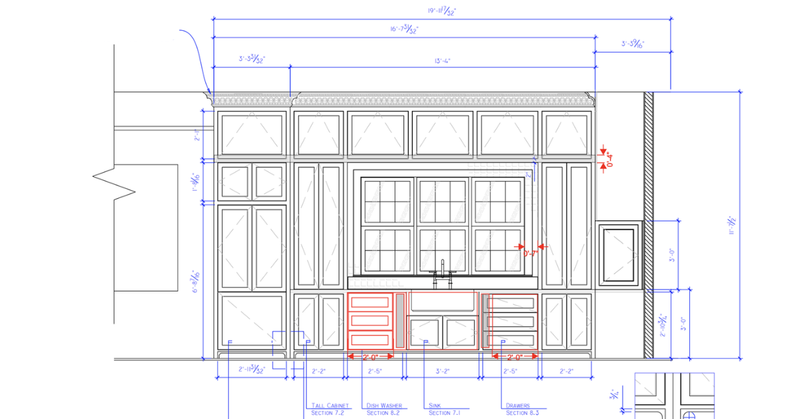
Cabinet drawings are detailed technical illustrations that communicate the design, dimensions, materials, and construction details of cabinetry. They convert design concepts into practical instructions that can be used during manufacturing and installation.
A standard set of drawings may include:
Layout plans
Elevation views
Side profiles
Section drawings
Construction details
Material specifications
Hardware information
Installation notes
These documents create a clear roadmap that guides the project from concept to completion.
Why Detailed Planning Is Important
Many cabinetry projects experience delays because critical details were not addressed during the planning phase. Missing measurements, unclear specifications, and poor coordination often create problems that become expensive to fix later.
For example, if cabinets are manufactured before confirming appliance sizes, modifications may be required during installation. Such changes can increase labor costs, waste materials, and delay project completion.
Professional cabinet drawings help prevent these issues by identifying potential challenges before fabrication starts.
Benefits of detailed planning include:
Improved accuracy
Better communication
Reduced project risks
Faster approvals
More reliable budgets
Efficient installations
Fewer design revisions
By addressing problems early, project teams can avoid costly surprises later.
Building a Strong Project Foundation
Every successful project begins with gathering accurate information.
Before preparing drawings, professionals evaluate:
Available space
Client requirements
Storage needs
Design objectives
Appliance dimensions
Site conditions
Building regulations
Collecting this information ensures that the final design aligns with project goals.
For instance, a client may initially request basic storage cabinets but later decide to include pull-out trays, drawer organizers, or custom accessories. Identifying these requirements before drafting begins helps avoid unnecessary redesigns.
The Importance of Precise Measurements
Accurate measurements are essential for achieving a successful fit.
Professional drafting teams document:
Wall lengths
Ceiling heights
Window positions
Door openings
Plumbing locations
Electrical outlets
Structural elements
Existing fixtures
Even small inaccuracies can create major installation difficulties.
Detailed cabinet drawings ensure all dimensions are carefully verified before production begins. This reduces the likelihood of costly field adjustments and improves installation efficiency.
Creating Practical and Functional Layouts
Cabinets should enhance both storage capacity and usability. A well-planned layout improves how people interact with a space every day.
When designing cabinetry layouts, planners consider:
Workflow efficiency
Accessibility
User comfort
Storage organization
Traffic flow
Safety requirements
In residential kitchens, cabinets should support food preparation, cooking, and cleaning activities. In commercial spaces, cabinetry should improve organization and operational efficiency.
A thoughtful layout helps maximize available space while improving functionality.
Enhancing Fabrication Accuracy
After design approval, fabrication drawings provide manufacturers with the information needed to build each cabinet correctly.
These detailed cabinet drawings may include:
Component dimensions
Panel sizes
Material selections
Joinery details
Hardware locations
Assembly instructions
Finish requirements
Manufacturers depend on these documents to ensure consistency and precision throughout production.
Without detailed drawings, assumptions may lead to fabrication errors, resulting in delays and additional costs.
Improving Coordination Across Trades
Cabinet installations often interact with multiple building systems. Effective planning requires careful coordination with other construction trades.
Areas that commonly require coordination include:
Electrical systems
Plumbing lines
HVAC equipment
Lighting installations
Fire protection components
Detailed drawings help project teams identify potential conflicts before installation begins.
Common examples include:
Cabinets covering outlets
Plumbing interfering with storage areas
Appliance clearance issues
Restricted HVAC access
Lighting placement conflicts
Resolving these issues during planning improves efficiency and minimizes construction disruptions.
Supporting Accurate Budget Planning
Reliable cost estimates depend on accurate project information.
Using cabinet drawings, estimators can calculate:
Material quantities
Labor requirements
Hardware expenses
Finishing costs
Delivery charges
Installation fees
Accurate estimates help clients understand project costs while allowing contractors to manage budgets more effectively.
As a result, projects are less likely to experience unexpected financial challenges.
Simplifying Approvals and Design Reviews
One significant advantage of detailed planning is the opportunity to review all project details before manufacturing begins.
During the review stage, stakeholders can verify:
Cabinet sizes
Materials
Hardware selections
Finishes
Construction methods
Installation requirements
Making adjustments before production starts is far easier and less expensive than making changes afterward.
A comprehensive review process improves accuracy and reduces project risk.
Supporting Successful Installations
The value of cabinet drawings extends well beyond design and fabrication.
Installation teams rely on these documents to:
Verify placement locations
Maintain proper alignment
Confirm spacing requirements
Install hardware correctly
Follow approved specifications
Because installers have access to detailed instructions, they can complete their work more efficiently and with greater confidence.
This helps maintain quality while keeping projects on schedule.
A Practical Planning Example
A corporate office renovation required custom storage cabinets throughout several departments. Initially, the project team planned to move directly into fabrication to accelerate the schedule.
However, detailed cabinet drawings were prepared and reviewed before production.
During this review, designers discovered that several cabinet locations would interfere with wall-mounted electrical equipment. The design was revised before manufacturing began.
As a result:
Production proceeded without interruptions.
Installation remained on schedule.
Additional costs were avoided.
The project achieved a successful outcome.
This example highlights the value of detailed planning and accurate documentation.
Common Planning Mistakes to Avoid
Even experienced teams can encounter preventable issues.
**Failing to Verify Site Conditions
**Always confirm field measurements before finalizing designs.
**Rushing Design Approvals
**Carefully review all specifications before authorizing fabrication.
**Inadequate Coordination
**Ensure cabinetry works alongside electrical, plumbing, and HVAC systems.
**Ignoring Long-Term Storage Needs
**Plan for future growth and changing requirements.
**Using Assumptions Instead of Documentation
**Every dimension and specification should be clearly documented.
Avoiding these mistakes helps improve project efficiency and overall quality.
Why Professional Cabinet Drawing Services Are Worth Considering
Although various design tools are available, professional drafting services provide a level of detail and accuracy that is difficult to achieve without experience.
Professional specialists offer:
Precise measurements
Detailed documentation
Better fabrication support
Improved coordination
Faster project approvals
Reduced project risks
Most importantly, they help ensure the final product matches the approved design.
For homeowners, contractors, architects, and developers, professional drafting services often lead to better project performance and higher client satisfaction.
Conclusion
Successful cabinetry projects require detailed planning, accurate measurements, and effective communication. Cabinet drawings provide the information needed to manage every stage of the project with confidence.
From developing layouts and coordinating building systems to supporting fabrication and installation, these drawstick help eliminate uncertainty and improve efficiency. They reduce costly mistakes, improve collaboration, and contribute to better overall project outcomes.
Whether the project involves residential cabinetry, commercial storage systems, or custom millwork, investing in professional cabinet drawings is a smart step toward achieving successful project planning and execution.
FAQs
**1. What are cabinet drawings?
**Cabinet drawings are technical documents that show cabinet dimensions, layouts, materials, construction details, and installation requirements.
**2. How do cabinet drawings improve planning?
**They provide accurate information that helps teams coordinate activities, identify issues early, and make informed project decisions.
**3. Can cabinet drawings help reduce project delays?
**Yes. By identifying potential problems before production begins, they help prevent fabrication mistakes and installation conflicts.
**4. Why are professional cabinet drawings beneficial?
**Professional drawings offer greater accuracy, better coordination, improved fabrication support, and a higher likelihood of project success.







Top comments (0)