
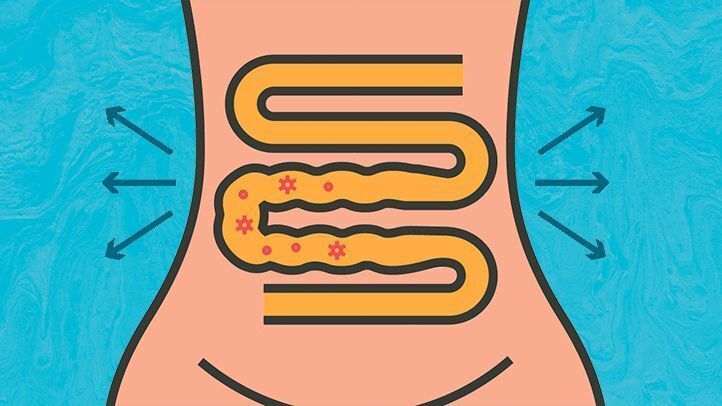

Loose watery bowel movements, commonly referred to as diarrhea, can significantly disrupt daily life and weaken the body if not managed properly. Whether caused by infections, food intolerance, medications, or gastrointestinal disorders, diet plays a central role in both aggravating and alleviating symptoms. When undergoing treatment with medications like Nizonide 500mg, dietary discipline becomes even more critical to support recovery and prevent further irritation of the digestive tract.
This article outlines the key foods to avoid during episodes of loose watery bowel conditions, along with the rationale behind each restriction.
- Dairy Products Dairy items such as milk, cheese, butter, and ice cream should be avoided during diarrhea. The intestinal lining becomes temporarily inflamed and may produce less lactase, the enzyme responsible for digesting lactose. This can lead to secondary lactose intolerance, worsening symptoms like bloating, gas, and loose stools.
Even if you are not typically lactose intolerant, it is advisable to limit dairy intake until bowel function normalizes.
- Fried and Fatty Foods Foods high in fat such as fried snacks, fast food, and greasy curries are difficult to digest and can accelerate intestinal motility. This results in more frequent and watery bowel movements.
Fat also stimulates bile secretion, which can further irritate an already inflamed gut. During treatment with Nizonide 500mg, consuming fatty foods may reduce comfort and delay recovery.
- Spicy Foods Chili peppers, hot sauces, and heavily spiced dishes can irritate the gastrointestinal mucosa. Capsaicin, the active compound in chili, increases intestinal movement and may worsen diarrhea.
For individuals experiencing loose stools, especially in acute infections treated with Nizonide 500mg, bland foods are strongly recommended over spicy meals.
- High-Fiber Foods (Certain Types) While fiber is generally beneficial for digestion, not all fiber is suitable during diarrhea. Insoluble fiber found in raw vegetables, whole grains, nuts, and seeds can increase stool bulk and speed up bowel movements.
Foods to avoid include:
Raw leafy vegetables
Bran cereals
Whole grain bread
Nuts and seeds
Instead, soluble fiber (like that in bananas or rice) is preferable, as it helps absorb excess fluid.
- Sugary Foods and Artificial Sweeteners High sugar intake can draw water into the intestines through osmotic activity, worsening diarrhea. This includes:
Sweets and desserts
Soft drinks
Packaged fruit juices
Artificial sweeteners such as sorbitol, mannitol, and xylitol (commonly found in sugar-free products) are particularly problematic, as they are poorly absorbed and can cause osmotic diarrhea.
- Caffeinated Beverages Caffeine stimulates the gastrointestinal tract and increases bowel motility. Drinks such as:
Coffee
Strong tea
Energy drinks
should be avoided. These can exacerbate dehydration, which is already a concern in loose watery bowel conditions.
- Alcohol Alcohol is both a gastrointestinal irritant and a diuretic. It can inflame the intestinal lining, worsen stool consistency, and contribute to fluid loss.
When taking medications like Nizonide 500mg, alcohol should be strictly avoided as it may interfere with recovery and increase side effects.
- Gas-Producing Foods Certain foods increase intestinal gas and discomfort, including:
Beans and lentils
Cabbage, broccoli, and cauliflower
Carbonated drinks
While these foods are nutritious under normal conditions, they can worsen bloating and cramping during diarrhea.
- Processed and Packaged Foods Highly processed foods often contain preservatives, additives, and unhealthy fats that can irritate the digestive system. Items like chips, instant noodles, and frozen meals should be avoided.
These foods also tend to lack essential nutrients needed for recovery.
- Citrus Fruits and Acidic Foods Fruits like oranges, lemons, and grapefruits are acidic and may irritate the stomach lining during episodes of diarrhea. Similarly, tomato-based products can aggravate symptoms.
While vitamin C is beneficial, it is better to obtain it from less acidic sources during this time.
Dietary Considerations While Taking Nizonide 500mg
Nizonide 500mg is commonly prescribed for parasitic and certain bacterial infections that cause diarrhea. While the medication works to eliminate the underlying cause, dietary management helps control symptoms and speeds up recovery.
Key recommendations include:
Stick to a bland diet (e.g., rice, bananas, toast)
Stay well hydrated with oral rehydration solutions
Avoid heavy, spicy, and oily foods
Eat small, frequent meals rather than large portions
Combining proper diet with medication enhances treatment effectiveness and reduces the duration of illness.
What to Eat Instead (Brief Guidance)
While this article focuses on foods to avoid, it is equally important to include safe alternatives:
Boiled rice and plain khichdi
Bananas (rich in potassium)
Applesauce
Toast and crackers
Clear soups and broths
These foods are gentle on the stomach and help restore normal bowel function.
Conclusion
Managing loose watery bowel conditions requires a dual approach: appropriate medical treatment and careful dietary control. Avoiding irritant foods such as dairy, fatty meals, spicy dishes, caffeine, and processed items can significantly reduce symptom severity and prevent complications like dehydration.
When using medications like Nizonide 500mg, following dietary restrictions becomes even more important to ensure optimal therapeutic outcomes. By making mindful food choices and staying hydrated, recovery can be faster, smoother, and more comfortable.
If symptoms persist beyond a few days or worsen, medical consultation is essential to rule out serious underlying conditions.





Top comments (0)