
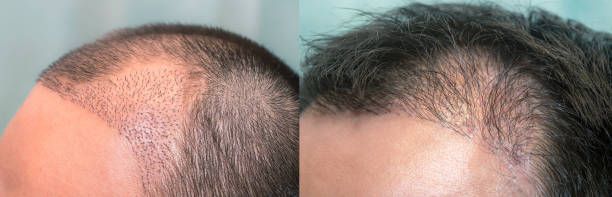

Hair loss is a common concern affecting millions of individuals worldwide. With evolving technology and innovative approaches, hair restoration has entered a new era, offering more natural results and faster recovery times. Hair Transplant in Riyadh has become increasingly advanced, combining medical precision with cutting-edge techniques to ensure patients regain not just hair but confidence. The focus today is not only on restoring hair but also on providing long-lasting solutions tailored to each individual’s unique needs.
Advancements in technology have transformed the field of hair restoration. Patients now have access to a range of modern solutions, making saudi arabia hair transplant one of the fastest-growing procedures in the region. Robotic-assisted systems, advanced follicular unit extraction, and improved scalp imaging techniques allow for more precise hair placement and higher success rates. These innovations have significantly reduced the limitations of traditional methods, making hair transplants less invasive and more comfortable for patients. Clinics now focus on personalizing treatments, ensuring natural hair density, and minimizing downtime for quicker integration into daily life.
Innovative Techniques Shaping Hair Transplants
Modern hair restoration relies on several innovative techniques designed to enhance results and reduce recovery time. Follicular Unit Extraction (FUE) remains a cornerstone, allowing surgeons to harvest individual hair follicles without leaving linear scars. Platelet-rich plasma (PRP) therapy is often integrated into procedures to promote faster healing and stimulate hair growth. Additionally, robotic-assisted transplantation enhances precision, ensuring uniform hair direction and density. These methods combine science and artistry to recreate a natural hairline and improve overall scalp health.
Role of Emerging Technologies
Emerging technologies have revolutionized how surgeons approach hair restoration. Artificial intelligence (AI) and imaging software enable pre-operative simulations, helping patients visualize the final outcome before the procedure begins. Stem cell therapy and exosome treatments are gaining attention as promising options for stimulating dormant hair follicles. Laser therapy devices, previously used for scalp health, now complement transplants by enhancing follicle growth. By integrating technology with medical expertise, clinics provide a comprehensive approach that maximizes the potential of each hair transplant.
Benefits Beyond Aesthetics
While hair restoration primarily improves appearance, the benefits extend far beyond aesthetics. Rejuvenated hairlines boost self-confidence, positively influencing social and professional interactions. Patients report increased psychological well-being and reduced stress related to hair loss. Furthermore, advanced techniques reduce the risk of complications, ensuring a safer and more satisfying experience. The combination of medical science and technological innovation makes modern hair transplants not just a cosmetic procedure but a transformative experience.
Preparing for a Successful Procedure
Preparing for a hair transplant involves understanding the process and following medical guidance carefully. Patients should maintain a healthy lifestyle, avoid smoking and alcohol, and follow pre-procedure instructions provided by their clinic. Proper scalp care and awareness of post-procedure requirements, such as avoiding direct sun exposure and rigorous physical activity, are essential for optimal healing. Education and preparation empower patients to actively participate in achieving the best possible results.
Expected Outcomes and Recovery
Recovery after a hair transplant has improved significantly due to minimally invasive methods. Patients can expect mild swelling or redness, which typically subsides within a few days. Newly transplanted hair begins to grow naturally over several months, and full results can be seen within a year. With proper care and adherence to medical recommendations, patients enjoy lasting outcomes that blend seamlessly with their natural hair, creating a rejuvenated and confident look.
FAQs
Q: How long does it take to see results after a hair transplant?
A: Initial hair growth can be noticed within a few months, but full results generally appear within 9 to 12 months, depending on individual healing and hair growth cycles.
Q: Is the procedure painful?
A: Most patients experience minimal discomfort during the procedure due to local anesthesia, and post-procedure discomfort is manageable with proper care.
Q: Are there any risks associated with hair transplants?
A: Complications are rare but may include temporary swelling, redness, or minor scarring. Choosing an experienced clinic significantly reduces risks.
Q: Can patients combine hair transplants with other treatments?
A: Yes, many patients enhance results with therapies like PRP, laser stimulation, or topical treatments to encourage hair growth and scalp health.
Q: How long does the recovery process take?
A: Recovery is generally quick, with most patients resuming normal activities within a week, though complete hair maturation takes several months.
Schedule Your Consultation
For those considering advanced hair restoration, Enfield Royal Clinic offers state-of-the-art facilities and personalized care tailored to your needs. Their team of specialists guides patients through each step, ensuring the most effective and natural results. A consultation at Enfield Royal Clinic is the first step toward regaining not just hair but confidence, using the latest technologies and techniques in hair restoration.






Top comments (0)