
Clothing can do more than cover the body. A graphic, handwritten phrase, unusual proportion, or distressed detail can turn an ordinary garment into something that communicates an idea. That connection between visual art and apparel is especially noticeable in alternative fashion, where designers often treat clothing as a surface for expression rather than simply a practical layer. ERD Clothing, also known as Enfants Riches Déprimés, provides an interesting reference point for looking at that relationship, particularly through graphic garments and hoodies. But the conversation goes beyond one label. It also raises practical questions about how artwork works on fabric, how hoodie weight affects the finished look, and how shoppers can choose pieces that make sense for their wardrobe, climate, and personal taste.
When Clothing Becomes Part of the Artwork
The relationship between art and clothing is not new. Artists have worked with textiles, embroidery, printmaking, photography, painting, and typography for generations. What changes in contemporary fashion is how easily those visual languages move between galleries, music, subcultures, social media, and everyday wardrobes.
A graphic garment can function almost like a small canvas. The placement of an image matters, but so does the garment [https://erd-clothing.com/
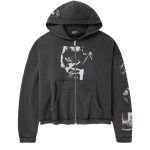
This is why graphic clothing is more complicated than simply putting an image on a shirt. The garment and artwork have to exist together. The result can feel closer to wearable visual culture than a conventional basic.
ERD Clothing as a Useful Case Study
ERD Clothing is an interesting example because Enfants Riches Déprimés is associated with a visual language that draws from rebellious music culture, provocative graphics, handwritten elements, and deliberately raw-looking imagery. Rather than treating apparel as a blank background, this approach makes the graphic and the garment feel closely connected.
That does not mean every ERD piece should be approached like an art object. Clothing still has to work in real life. A hoodie needs to fit comfortably, provide the right amount of warmth, and make sense with the rest of an outfit.
For shoppers interested in this intersection of art and apparel, looking through ERD Clothing can provide a useful reference for seeing how graphics, garment proportions, and casual clothing come together.
The broader lesson is useful even for someone who has never bought ERD: when choosing graphic clothing, consider the complete garment rather than judging the artwork in isolation.
Fabric Changes How Artwork Looks
The physical characteristics of a garment can change the way a graphic appears. A smooth, lightweight jersey gives artwork a different surface from a thick fleece hoodie. Fabric thickness can influence drape, texture, and how much structure the garment has when worn.
Hoodie weight is particularly noticeable. A lightweight hoodie tends to fall closer to the body and can work well as an additional layer. A heavier hoodie generally has more structure and can hold a relaxed or oversized shape more clearly.
GSM, or grams per square meter, is sometimes used to describe fabric weight. It can be helpful when comparing garments, but it should not be treated as a complete measurement of warmth or overall performance. Fiber type, weave or knit, fleece construction, finishing, fit, and layering all influence how a garment feels.
For that reason, two hoodies with similar GSM figures can behave differently. The number provides information about fabric mass, not a universal score for comfort or warmth.
Lightweight, Midweight, and Heavyweight: Choosing for Real Life
A lightweight hoodie is generally useful in mild conditions, particularly when it is going underneath another layer. Think of a cool spring evening, an air-conditioned indoor space, or a fall afternoon when temperatures are changing throughout the day.
A midweight hoodie sits comfortably between those extremes. It can work as an everyday layer for people who want something substantial without relying on a heavy outer layer. Its versatility makes it useful for casual outfits involving denim, joggers, sneakers, or a simple jacket.
A heavyweight hoodie makes more sense when colder weather or standalone wear is the priority. The additional fabric can provide greater warmth and structure, although the actual warmth depends on construction and the rest of the outfit.
Climate should always be part of the decision. Someone dealing with mild winters has different requirements from someone spending months in genuinely cold weather. There is no single hoodie weight that works perfectly for everyone.
Fit and Weight Work Together
Fit can completely change how a hoodie communicates its design. A regular-fit hoodie tends to create a cleaner outline, while relaxed and oversized fits introduce more volume through the body and sleeves.
When heavier fabric is combined with an oversized shape, the result can feel substantial and structured. That can work well with straight-leg jeans, wide trousers, or substantial footwear. A lighter oversized hoodie, on the other hand, can create a softer layered look.
The important thing is proportion. If both the top and bottom are extremely loose, the outfit needs some visual balance through footwear, color, or layering. Similarly, a fitted hoodie can look more natural with relaxed denim or trousers if the goal is to avoid a completely narrow silhouette.
This is where personal wardrobe habits matter more than a trend label. The right fit is the one that works with how you actually dress.
Styling Art-Inspired Hoodies Without Overloading the Outfit
A graphic hoodie does not need several other statement pieces around it. In many cases, simple clothing provides the strongest backdrop for artwork.
Try a graphic hoodie with straight-leg washed denim and low-profile sneakers. The jeans give the outfit texture without competing heavily with the artwork, while simple footwear keeps attention around the upper half.
For colder weather, a heavier hoodie can sit beneath a denim jacket, leather jacket, or uncomplicated coat. Leaving some of the graphic visible creates layers without hiding the central design completely.
A lighter hoodie works differently. Wear it under an overshirt with relaxed trousers and sneakers for a spring or early-fall combination. The thinner fabric makes layering easier and avoids creating too much bulk around the shoulders and arms.
For an especially casual outfit, a hoodie with joggers and understated sneakers keeps the proportions relaxed. If the hoodie already contains a strong graphic, neutral bottoms can prevent the overall combination from becoming visually crowded.
How Alternative Fashion Uses Graphic Clothing
Alternative fashion has long used clothing as a way to signal interests, attitudes, and cultural references. Music scenes, skate culture, punk, metal, vintage clothing, and contemporary streetwear have all contributed to the popularity of graphic garments.
What makes these pieces interesting is that their meaning can be personal. One person may respond to a graphic because of its connection to music or visual art, while another may simply appreciate the typography, composition, or unusual treatment of the garment.
This is also why graphic clothing does not need to match a single subculture perfectly. A printed hoodie can work with vintage denim, modern trousers, workwear-inspired jackets, or minimal sneakers.
The most convincing outfits often come from mixing references rather than recreating a complete aesthetic from head to toe.
What to Check Before Buying
The artwork may be the reason you notice a hoodie, but practical details determine whether you will actually wear it. Start with the fabric and consider whether its weight makes sense for your climate and intended use.
Then check measurements rather than relying only on a familiar size. Shoulder width, chest measurement, sleeve length, and body length can make a major difference, especially with relaxed or oversized garments.
Pay attention to the hood itself. A structured hood can create a different neckline and layering effect from a softer, flatter hood. Cuffs and waistband construction also influence how the garment sits after repeated wear.
Care instructions deserve attention as well. Graphic prints and heavier fabrics may require specific washing or drying practices. Following the manufacturer's instructions can help preserve the garment's appearance.
Finally, think about your existing wardrobe. Before buying a statement hoodie, imagine it with at least three outfits you already wear. If it works with your denim, trousers, outerwear, and footwear, it is more likely to become a regular part of your rotation.
Why Art and Apparel Continue to Overlap
The appeal of art-inspired clothing comes partly from its ability to exist between categories. It can be worn every day while still carrying visual references that invite a second look.
For younger fashion shoppers, that flexibility is particularly relevant. A hoodie can function as casualwear, a layering piece, a graphic statement, or part of a larger personal aesthetic depending on what surrounds it.
ERD's place within this conversation is less about treating every garment as something precious and more about recognizing how artwork, subculture, and clothing can influence one another. The same principle applies across the wider fashion landscape, from independent graphic labels to designer collections and vintage markets.
Ultimately, the strongest relationship between art and apparel happens when the visual idea and the physical garment make sense together. Weight, texture, proportion, color, and graphic placement all contribute to that result.
FAQs:
What is the relationship between art and apparel?
Art and apparel overlap when visual elements such as illustration, typography, photography, or painting become part of a garment's identity rather than simply decorative additions.
Does hoodie weight affect how a graphic looks?
Yes, fabric thickness and structure can influence how a graphic sits and drapes, with heavier fabrics generally providing more structure and lighter fabrics creating a softer fall.
What does GSM mean in hoodies?
GSM means grams per square meter and indicates fabric mass, but it does not independently determine warmth because construction, fibers, fit, and layering also matter.
Is a heavyweight hoodie better for winter?
A heavyweight hoodie can be useful in colder conditions because it generally contains more substantial fabric, but warmth also depends on the material, fit, weather, and other layers being worn.
Are lightweight hoodies good for layering?
Yes, lightweight hoodies are often easier to layer beneath jackets and overshirts because they create less bulk around the body and arms.
How should a graphic hoodie be styled?
Pairing a graphic hoodie with relatively simple jeans, trousers, sneakers, or outerwear lets the artwork remain noticeable while keeping the overall outfit balanced.

Erd Clothing
Posted on
ERD Clothing And The Relationship Between Art And Apparel
For further actions, you may consider blocking this person and/or reporting abuse







Top comments (0)