

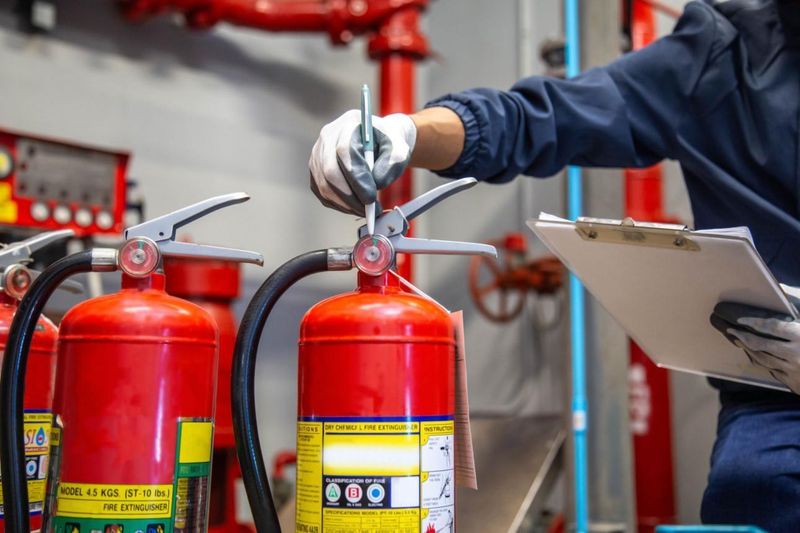
This comprehensive guide explains what an emergency lighting certificate is, why it’s important, legal requirements, testing procedures, and how to stay compliant in London.
What is an Emergency Lighting Certificate?
An Emergency Lighting Certificate in London is an official document that confirms your emergency lighting system has been tested and complies with UK safety standards. It verifies that lighting will function correctly in the event of a power outage, ensuring occupants can safely exit the building.
This certification is typically issued after inspection, testing, and maintenance by a qualified professional.
Legal Requirements in London
Emergency lighting systems in the UK must comply with the Regulatory Reform (Fire Safety) Order 2005. This law requires the “responsible person” to ensure that adequate emergency lighting is installed and maintained.
Additionally, systems should follow British Standards such as:
BS 5266 (Emergency lighting code of practice)
BS EN 1838 (Lighting requirements for emergency systems)
The London Fire Brigade enforces compliance and may inspect premises to ensure safety measures are in place.
Who Needs an Emergency Lighting Certificate?
You are required to have emergency lighting and certification if you manage or own:
- Offices and commercial buildings
- Retail shops and shopping centres
- Restaurants, cafes, and bars
- Hotels and guesthouses
- Warehouses and factories
- Residential buildings with shared areas (HMOs, flats)
Essentially, any non-domestic property or shared residential space must comply.
Why is Emergency Lighting Important?
Emergency lighting is crucial for several reasons:
Safe Evacuation
It ensures clear visibility of escape routes during emergencies.
Legal Compliance
Failure to comply can result in fines or prosecution.
Risk Reduction
Reduces panic and accidents during evacuations.
Business Continuity
Minimizes disruption and potential liability.
Insurance Compliance
Helps validate insurance claims in case of incidents.
Types of Emergency Lighting Systems
Maintained Lighting
Stays on at all times and continues during power failure.
Non-Maintained Lighting
Only activates when the main power supply fails.
Sustained Lighting
Combines both maintained and non-maintained features.
Escape Route Lighting
Illuminates corridors, staircases, and exits.
Open Area Lighting
Provides visibility in large spaces to prevent panic.
Each system must be suitable for the building layout and occupancy.
Emergency Lighting Testing Requirements
Regular testing is essential to ensure the system functions properly.
Monthly Testing
Brief functional test
Ensure lights switch on during power failure
Annual Testing
Full-duration test (usually 3 hours)
Verify battery performance and light output
After testing, a certificate is issued confirming compliance.
What Does the Certification Process Involve?
The process of obtaining an emergency lighting certificate includes:
Inspection: Checking installation and placement of lights
Testing: Simulating power failure to test system response
Assessment: Evaluating compliance with standards
Reporting: Documenting findings and recommendations
Certification: Issuing the certificate if compliant
If issues are found, repairs must be completed before certification.
Cost of Emergency Lighting Certification in London
Costs vary depending on the size and complexity of the property.
- Estimated Costs:
- Small premises: £80 – £200
- Medium buildings: £200 – £500
- Large or complex properties: £500+
Additional costs may apply for repairs or system upgrades.
- Common Issues Found During Inspections
- Faulty or non-working lights
- Poor placement of emergency lighting
- Battery failures
- Lack of maintenance records
- Inadequate coverage of escape routes
Addressing these issues ensures compliance and safety.
Role of Professional Services
Hiring a professional emergency lighting service provider ensures:
- Accurate testing and certification
- Compliance with UK regulations
- Proper installation and maintenance
- Reduced risk of legal penalties
Qualified engineers have the expertise to identify and fix issues efficiently.
Consequences of Non-Compliance
Failure to maintain emergency lighting and certification can lead to:
- Heavy fines
- Legal action
- Business closure
- Increased risk of accidents
- Invalid insurance claims
The London Fire Brigade has the authority to enforce penalties and ensure compliance.
Tips for Staying Compliant
- Conduct regular testing (monthly and annually)
- Keep detailed maintenance records
- Replace faulty components promptly
- Ensure proper signage and visibility
- Schedule inspections with certified professionals
Proactive maintenance helps avoid costly issues.
An emergency lighting certificate in London is a crucial part of fire safety compliance. Investing in proper emergency lighting systems and certification not only protects lives but also safeguards your business from legal and financial risks.
FAQs
Is an emergency lighting certificate mandatory in London?
Yes, it is required under the Regulatory Reform (Fire Safety) Order 2005.
How often should emergency lighting be tested?
Monthly functional tests and annual full-duration tests are required.
Who can issue an emergency lighting certificate?
Qualified and competent professionals or certified engineers.
How long does certification take?
It usually takes a few hours depending on the size of the property.
What happens if my system fails inspection?
You must repair or replace faulty components before certification.
Do small businesses need emergency lighting?
Yes, all non-domestic premises must comply with regulations.
Who enforces emergency lighting compliance in London?
The London Fire Brigade.






Top comments (0)