
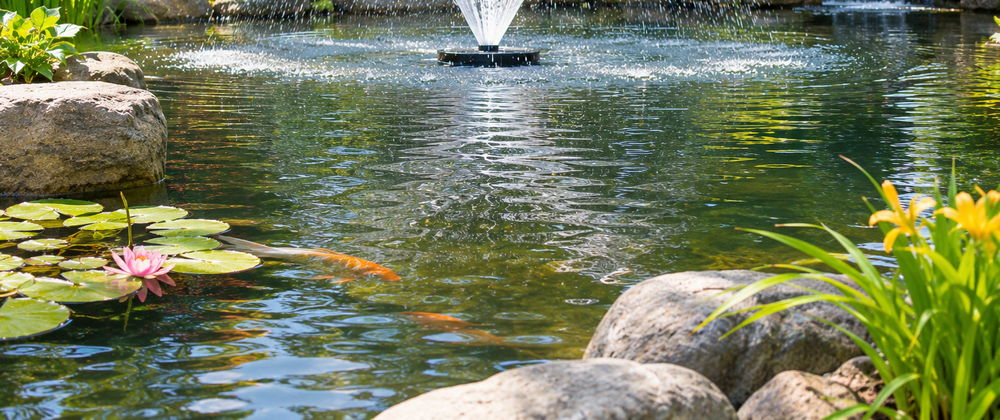

Water features depend on the right combination of pump performance, water pressure, and spray design to create consistent displays. One important component is the outlet that determines how water moves and appears above the surface. A fountain nozzle controls the direction, shape, height, and distribution of water, making it an essential part of residential and commercial fountain systems. Different designs produce different visual effects, from concentrated vertical streams to wider umbrella-shaped sprays. Understanding these variations, along with material quality and pump compatibility, helps property owners select suitable equipment for their ponds and decorative water features.
Understanding How Fountain Nozzles Work
A fountain nozzle directs water discharged by a pump into a specific spray pattern. As water passes through its opening, the nozzle shapes the flow according to its internal design, outlet size, and operating pressure.
The resulting display depends on several connected factors. Pump capacity determines how much water can be delivered, while pressure influences spray height and consistency. Nozzle geometry controls the appearance of the water stream.
A properly matched system produces a balanced display without placing unnecessary strain on the pump. An unsuitable combination can result in weak sprays, excessive splashing, inconsistent flow, or unnecessary energy consumption.
Different Types of Fountain Spray Patterns
Nozzle designs offer different effects depending on the intended water feature.
Vertical jet nozzles: These produce concentrated upward streams. They are suitable for ponds and fountains where a simple, defined water column is preferred.
Umbrella nozzles: These distribute water outward in a rounded, canopy-like pattern. The falling water creates a softer visual effect and increases surface movement.
Fan spray nozzles: These spread water into a wider, flatter arrangement. Their appearance can add variety to installations requiring broader coverage.
Trumpet and geyser patterns:
These create fuller, upward water displays. Their appearance depends on nozzle construction, available pressure, and pump capacity.
Material Selection and Construction Quality
Material quality influences the durability and maintenance requirements of fountain equipment. Brass is commonly used because it offers strength, corrosion resistance, and dependable performance in many water-feature applications.
A brass fountain nozzle can provide a stable, well-defined stream when correctly matched with the pump. Threaded connections also help create a secure installation and reduce the risk of compatibility problems.
Plastic alternatives are generally lighter and may suit certain applications, but their performance depends on material quality, environmental exposure, and operating conditions. Continuous sunlight, water pressure, and mineral deposits can affect long-term performance.
When selecting a nozzle, examine its construction material, connection dimensions, threading, and suitability for the intended installation.
Matching Nozzle Size With Pump Capacity
Pump compatibility is essential for achieving the intended spray height and water distribution. Gallons per hour (GPH) indicates the volume of water a pump can move over time, while horsepower provides another indication of its operating capability.
A nozzle with a restrictive opening can create additional backpressure. If the pump cannot provide sufficient flow, the resulting display may be weaker than expected. Conversely, an oversized opening may produce a lower spray than intended.
Consider the pump's specifications, nozzle opening, installation depth, and manufacturer's recommendations before connecting the equipment.
Aeration, Placement, and Maintenance
Fountain spray patterns can influence pond aeration. Concentrated jets create water movement when they return to the pond, helping circulate water and support oxygen exchange. Wider spray patterns distribute droplets across a larger surface area.
Placement also matters. Wind can carry fine sprays outside the pond, resulting in water loss and an uneven display. Heavier streams generally perform more consistently in exposed locations.
Routine maintenance helps preserve performance. Remove debris, inspect openings for blockages, and check threaded connections periodically. Mineral deposits can restrict water flow, so cleaning should follow the manufacturer's instructions.
Conclusion
Selecting suitable fountain equipment requires attention to spray design, construction material, pump capacity, installation conditions, and maintenance. Comparing these factors helps ensure consistent water movement while supporting the intended appearance of the feature.
Product specifications and selection guidance from Friendly Fountains can also help buyers understand available nozzle configurations and their practical applications.






Top comments (0)