

Marble has a way of adding character to a home without needing too many decorative details. Its natural patterns, gentle colour variations and distinctive veining make each piece slightly different. Some homeowners prefer it for its polished appearance, while others like the softer look of honed marble. Either way, it can work in several parts of a property when the stone is chosen with the space in mind.
However, marble is not something that needs to cover every surface. Using it in the right places can create a balanced design that feels welcoming rather than overly luxurious. From indoor flooring to outdoor entertaining areas, here are some places where marble can make sense in home design.
Living Rooms That Feel Open and Welcoming
The living room is often the first place people consider when planning natural stone flooring. It is a shared space where appearance matters, but comfort and everyday practicality are equally important.
Marble tiles flooring can give a living room a clean, spacious appearance. Lighter shades such as white, cream and beige work well in rooms with natural light, while darker marble can create contrast in interiors with simpler furniture and neutral walls.
The veining also adds detail without requiring complicated floor patterns. If the room already has statement furniture, a subtle marble design may be a better choice than a heavily patterned variety.
Before selecting marble, consider how much the living room is used. Marble can scratch and stain, so regular cleaning and suitable sealing are important, particularly in homes with children, pets or frequent visitors.
Kitchens Where Material Choices Matter
Kitchens are among the busiest areas of a home. Between cooking, cleaning and regular movement, surfaces need to handle everyday use.
Marble can be used for kitchen flooring, islands, backsplashes and selected wall sections. Its appearance pairs nicely with timber cabinets, simple hardware and neutral colour schemes. A carefully selected marble surface can also help connect the kitchen with an adjoining dining or living area.
That said, marble needs a little more attention in kitchens. Lemon juice, vinegar, wine and other acidic substances can etch the surface. Spills should be cleaned promptly, and the stone should be maintained using products recommended for natural marble.
When considering Marble tiles flooring for a kitchen, it is worth discussing the finish and maintenance requirements with your supplier before making a final decision.
Bathrooms That Feel Calm and Relaxed
Bathrooms are another place where marble can work particularly well. Its natural patterns can add interest to an otherwise simple space, especially when paired with glass, timber-look cabinetry and understated fittings.
Homeowners can use marble on floors, walls, vanity surrounds or feature sections behind a bathtub. Using the same stone across selected surfaces can create a coordinated appearance without making the room feel too busy.
The finish is particularly important in bathrooms. Polished marble may become slippery when wet, so a suitable finish with appropriate slip resistance should be selected for flooring and shower areas. Good waterproofing, sealing and regular maintenance are also essential.
For smaller bathrooms, lighter marble can help the space feel brighter, while a darker feature wall can add depth without overwhelming the room.
Entryways That Make a Good First Impression
An entrance does not need elaborate decoration to look appealing. Sometimes, the flooring itself can provide enough detail to make the space stand out.
Marble can be a good option for entrance floors because its natural veining creates visual interest. It also works well with wooden doors, neutral walls and simple lighting.
A large-format tile can give the entrance a more continuous appearance, while smaller patterns may suit traditional interiors. If you are planning Marble tiles flooring for an entryway, think about the amount of foot traffic it will receive and how easily dirt and moisture can be managed.
A suitable finish and regular care will help keep the surface looking presentable over time.
Outdoor Patios and Entertaining Areas
Marble is not limited to indoor spaces. Certain varieties and finishes can also be considered for outdoor applications, including patios, terraces and entertaining areas.
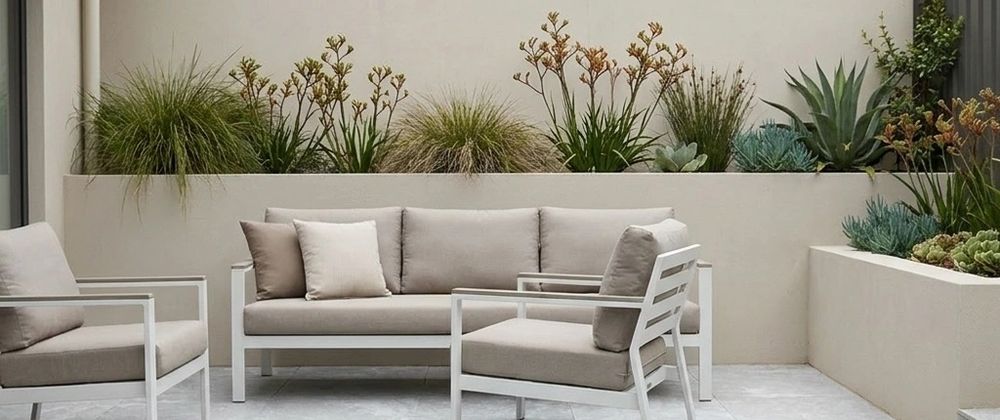
Marble Outdoor Pavers can help create a coordinated look between the house and its garden or outdoor seating space. They are available in different colours and finishes, making it possible to match the paving with exterior walls, landscaping and outdoor furniture.
However, outdoor marble needs careful selection. Sun exposure, rain, temperature changes and foot traffic can all affect how the stone performs. A finish with suitable slip resistance is particularly important in areas exposed to water.
Before choosing Marble Outdoor Pavers, check whether the particular marble is recommended for outdoor use and whether its properties suit your local climate. Proper installation, drainage and maintenance will also influence its long-term performance.
Pool Surrounds and Garden Spaces
Pool areas and garden paths can benefit from natural stone, but they require more consideration than ordinary decorative surfaces. Water, wet feet and changing weather conditions make material suitability especially important.
Some types of marble can be used around pools, provided the stone and finish meet the required safety and performance standards. It is important to check slip resistance, water absorption and compatibility with pool chemicals before purchasing.
Marble Outdoor Pavers can also be used in selected garden seating areas or pathways to create a connection between outdoor spaces. Pairing the paving with greenery, timber furniture and simple landscaping can keep the overall design balanced.
Rather than using marble throughout the entire garden, consider limiting it to the areas where a defined, finished surface is needed.
Choosing the Right Marble for Your Home
The best place to use marble depends on how you live and what you expect from each space. A living room may benefit from a different finish than a bathroom, while outdoor paving needs to meet requirements that do not apply to indoor floors.
Before purchasing, look at samples in natural and artificial light. Check the stone's finish, thickness, maintenance needs and suitability for the intended application. It is also useful to understand that natural variations in colour and veining are part of marble's character, so the installed surface may not look completely uniform.
If you are exploring Marble tiles flooring for interior spaces or comparing Marble Outdoor Pavers for patios and other exterior areas, Reliant Stones is worth considering for its range of natural stone products. Taking time to choose the right marble for each application can help create a home that feels connected, practical and thoughtfully designed.







Top comments (0)