
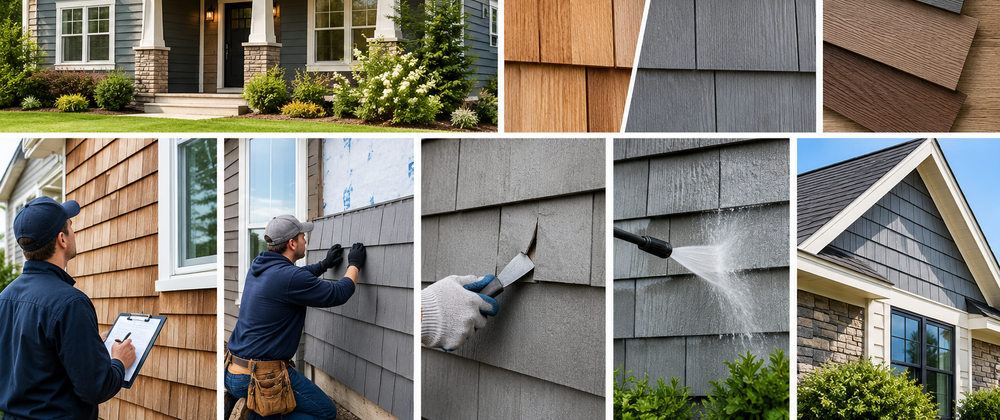

Choosing the right siding means looking beyond the appearance of the finished exterior. Homeowners also need to consider how a material handles moisture, sunlight, temperature changes, maintenance, and everyday wear. Traditional cedar siding remains a popular choice because of its natural grain, warm colors, and ability to complement a wide range of architectural styles. However, keeping natural wood in good condition can require regular cleaning, staining, sealing, or other maintenance, depending on the climate and finish.
New composite shingle siding gives homeowners another option. Designed to recreate the layered appearance of traditional cedar shingles, composite products offer manufactured textures, consistent profiles, and different finish options. Their construction and performance vary by manufacturer, but they provide an alternative worth considering for homeowners who like the look of wood and want to compare other exterior materials.
The choice between cedar and composite siding is not simply about which material looks better. Homeowners should understand the differences in material composition, weather performance, maintenance, installation, and repair requirements before making a decision.
This guide explains how composite shingle siding compares with traditional cedar, what to check before installation, and when repairing or replacing existing siding may make more sense.
Why Homeowners Are Exploring Alternatives to Traditional Cedar Siding
Cedar siding is valued for its natural texture and distinctive appearance. Its grain patterns, warm tones, and ability to accept different stains make it suitable for cottages, traditional homes, rustic properties, and contemporary exterior designs.
Cedar shingles are especially popular because their overlapping arrangement creates a layered appearance. The individual pieces add texture and depth, helping exterior walls look more detailed than a flat siding surface.
However, natural wood is affected by its surroundings. Repeated moisture exposure can contribute to deterioration, while sunlight can gradually change the original color. Depending on the wood finish, local climate, and level of exposure, homeowners may need periodic cleaning, staining, sealing, or painting.
These maintenance requirements have encouraged homeowners to compare cedar with manufactured alternatives.
Composite shingle siding is designed to reproduce some of the visual characteristics of wood while using engineered or manufactured materials. Depending on the product, its composition may include engineered wood fibers, polymers, resins, or other components.
Because products differ, homeowners should not assume that every composite siding system offers the same durability, moisture resistance, or maintenance requirements. The manufacturer's technical information is the best starting point for understanding how a
particular product is expected to perform.
What Makes Composite Shingle Siding Different?
Composite shingle siding is manufactured to create the appearance of individual shingles or overlapping wood-style panels. Traditional cedar shingles are cut from natural timber, while composite alternatives are produced using manufactured materials and specific surface-finishing processes.
Manufacturers can create different textures, thicknesses, edges, and profiles to imitate the appearance of natural wood. Some products feature pronounced grain patterns, while others have a smoother or more uniform finish.
One noticeable difference is consistency. Natural cedar shingles vary in grain, color, and texture because each piece comes from real wood. Composite products generally provide a more controlled appearance, which can help homeowners achieve a coordinated design across larger exterior areas.
Before choosing a product, consider these characteristics:
- Material composition: Composite products can use different ingredients and manufacturing methods.
- Surface texture: Some products imitate natural cedar grain, while others have a simpler shingle profile.
- Color selection: Available finishes and color consistency depend on the manufacturer's product range.
- Maintenance requirements: Cleaning, refinishing, and inspection needs vary by product.
- Moisture management: Performance depends on the material, installation details, drainage, and wall assembly.
Composite Shingle Siding vs. Traditional Cedar: What Are the Differences?
Both materials can create an attractive shingle-style exterior, but they offer different characteristics. Comparing them across several practical areas can help homeowners identify which option better suits their property.
1. Appearance and Exterior Design
Traditional cedar has a natural appearance that comes from its grain, color variations, and individual shingle characteristics. These differences give wood siding an organic finish that manufactured products may not completely reproduce.
Composite shingle siding offers a more consistent appearance. Manufacturers can create repeatable profiles, textures, and finishes designed to resemble cedar. This can be useful when homeowners want a coordinated look across several walls or prefer a more uniform exterior.
The choice often comes down to personal preference. Some homeowners appreciate the natural variation of wood, while others prefer the consistency of a manufactured product.
2. Maintenance Requirements
Natural cedar needs attention to maintain its appearance and condition. Depending on the finish and environmental exposure, homeowners may need periodic staining, sealing, painting, or cleaning.
Some composite products may require less frequent refinishing, particularly when they have factory-applied finishes. However, they still need routine inspections and appropriate cleaning. Loose sections, damaged surfaces, failed sealant, and problems around windows should be addressed when discovered.
The useful comparison is not maintenance versus no maintenance. It is the type, frequency, and expected cost of maintaining each specific product.
3. Moisture and Weather Exposure
Moisture management is important for both cedar and composite siding.
Natural cedar can absorb moisture, and prolonged exposure to wet conditions may contribute to deterioration when the material is not properly maintained.
Composite products may have different moisture-related performance characteristics depending on their composition. However, siding should never be treated as the only protection against water entering a home's walls.
Proper flashing, drainage, house wrap, installation clearances, and appropriate wall assembly details all contribute to exterior moisture management.
4. Color and Finish Consistency
Cedar naturally changes appearance over time when exposed to sunlight and weather. Some homeowners like the weathered look, while others prefer to maintain the original color through periodic finishing.
Composite siding may offer more uniform factory-applied colors. However, its finish can also change with age and exposure. Color retention depends on the product formulation, surface treatment, installation, and environmental conditions.
Review the manufacturer's finish information before choosing a product based on its color.
5. Repair and Replacement Options
Individual cedar shingles can sometimes be removed and replaced when damage is limited to a specific area. Composite products may also allow individual sections to be replaced, depending on their fastening method and installation design.
Before purchasing, ask whether replacement pieces are available and whether matching profiles and colors can be supplied in the future.
This is particularly important when planning a long-term exterior project because the availability of matching materials can affect future repairs.
Important Factors to Consider Before Choosing Composite Shingle Siding
Selecting siding requires more than comparing product photographs. The material should suit the property's climate, architectural style, wall construction, and maintenance expectations.
Climate and Local Weather Conditions
Local weather can influence how siding materials perform over time. Homes exposed to heavy rainfall, high humidity, strong sunlight, hail, snow, or frequent temperature changes may have different exterior requirements.
For example, properties in areas with prolonged rainfall need careful attention to drainage and moisture management. Homes exposed to strong sunlight should be evaluated for suitable UV performance and finish specifications.
In regions with freeze-thaw cycles, expansion, contraction, and installation clearances also deserve attention.
Before choosing composite shingle siding, review the manufacturer's technical information for:
- Temperature and weather exposure limitations
- Moisture-related performance specifications
- UV and color-retention information
- Impact-resistance testing, where available
- Required installation clearances
- Approved flashing and fastening methods The most suitable product is one whose documented characteristics match the environmental conditions of the property. Architectural Style and Exterior Appearance Composite shingle siding can complement several residential design styles. Its overlapping pattern adds texture and can be used to highlight selected sections of a home's exterior. Traditional homes may suit cedar-inspired shingles in natural brown, warm gray, or muted earth tones. Contemporary properties can use darker finishes alongside contrasting trim, modern windows, and simpler architectural details. Homeowners can also combine shingle siding with other exterior materials. For example, composite shingles on gable sections can be paired with horizontal lap siding across the main walls. Stone veneer or brick accents can introduce another texture. These combinations need careful planning. Differences in material thickness, wall transitions, flashing, and drainage should be addressed before installation begins. Product Quality and Manufacturer Specifications Composite siding products are not all manufactured in the same way. Their ingredients, surface treatments, attachment systems, and performance characteristics can differ. Before purchasing, review the manufacturer's technical documentation and installation instructions. Check the available warranty, testing information, maintenance requirements, and approved applications. It is also important to confirm whether the selected product can be installed over the existing wall assembly or whether the current siding must first be removed.
Understanding the Composite Shingle Siding Installation Process
A successful exterior upgrade depends on proper preparation and installation. Even a well-manufactured siding product can develop problems when fastening requirements, flashing, drainage, or installation clearances are overlooked.
Professional installation generally begins with an assessment of the existing exterior.
Step 1: Inspect the Existing Exterior
Before installation, the contractor should examine the current siding, exterior trim, wall openings, and visible areas where moisture may have entered.
This assessment can help identify damaged materials, loose sections, deteriorated sheathing, and potential problems around windows and doors.
A professional home siding inspection can help identify conditions that should be addressed before installing a new siding system.
Step 2: Prepare the Wall Surface
Existing siding may need to be removed depending on its condition, the new product's installation requirements, and applicable building regulations.
After removal, the underlying wall should be checked for damage. Necessary repairs should be completed before the new material is installed.
House wrap, flashing, and other water-management components should also be evaluated and installed according to the requirements of the wall assembly.
Step 3: Plan the Shingle Layout
The layout affects the final appearance of composite shingle siding. Contractors should follow the manufacturer's instructions for shingle exposure, spacing, fastening locations, and pattern arrangement.
Consistent alignment helps maintain an even appearance across the exterior and reduces the risk of visible installation irregularities.
Step 4: Install the Composite Siding
Installation methods vary by product. Contractors should use the recommended fasteners, tools, clearances, and attachment methods.
Extra attention is needed around windows, doors, exterior corners, roof intersections, and other openings where incorrect detailing can allow water to enter.
When comparing siding installation services, homeowners should discuss material specifications, wall preparation, flashing, and installation details before approving the project.
Step 5: Complete the Final Inspection
After installation, the finished exterior should be checked for alignment, fastening, damaged sections, trim details, and required clearances.
The contractor should also explain the manufacturer's maintenance recommendations and provide relevant warranty information.
When Does Composite Shingle Siding Make Sense for a Replacement Project?
Replacing old siding gives homeowners an opportunity to reconsider both the appearance and performance of their exterior.
However, an aging siding system does not always need complete replacement. The appropriate solution depends on the condition of the material, the extent of deterioration, and whether the problem is limited to a few sections or affects a larger area.
Signs That Existing Cedar Siding May Need Attention
Homeowners should periodically check their exterior for visible changes that could indicate damage or deterioration.
Common warning signs include:
- Cracked, split, or warped shingles
- Peeling or deteriorating finishes
- Soft or damaged wood sections
- Loose shingles or missing pieces
- Persistent moisture marks around exterior walls
- Visible gaps around windows, doors, or trim
- Signs of insect activity or material damage These can be signs of siding damage on a house, but they do not automatically mean the entire exterior needs to be replaced. The source and extent of the problem should be evaluated before deciding on a repair or replacement. When Partial Replacement May Be Appropriate If damage is limited to a small section, replacing the affected shingles may be a practical option. For example, a fallen branch might damage a few shingles on one wall. If the remaining siding is in suitable condition and matching materials are available, a localized repair may be sufficient. When Full Replacement May Be Worth Considering A larger project may be appropriate when deterioration affects multiple sections or when the existing siding has recurring moisture problems, widespread damage, or extensive loose areas. Homeowners considering house siding replacement should compare material choices, removal requirements, labor, wall preparation, and the complete scope of work. The decision should reflect the actual condition of the property rather than appearance alone.
What Influences Composite Shingle Siding Replacement Cost?
The total cost of a siding project depends on several factors. Composite products can differ in material composition, finish, thickness, installation system, and availability, so homeowners should not assume that every product has the same price.
Understanding the main cost considerations makes it easier to compare estimates.
Material Selection
The selected product, manufacturer, finish, and shingle profile can influence material expenses. Specialty colors, detailed textures, and particular product systems may have different pricing.
Exterior Wall Area
The amount of siding required is another major factor. Larger homes generally need more material and installation labor.
The final quantity also depends on wall height, architectural features, windows, doors, and the amount of material needed for cutting and fitting.
Removal of Existing Siding
If the existing cedar siding needs to be removed, the project may involve additional labor, disposal, and wall preparation expenses.
Installing new siding over an existing exterior is not automatically suitable. The condition of the current wall, moisture management, product compatibility, and manufacturer requirements must be evaluated first.
Underlying Wall Repairs
Damaged sheathing, deteriorated trim, flashing problems, and moisture-related issues can increase the scope of work.
Identifying these concerns before installation helps homeowners understand the complete project rather than discovering additional work after the siding has been removed.
Labor and Installation Complexity
Multi-story homes, steep rooflines, detailed gables, complicated corners, and numerous windows can make installation more demanding.
A useful estimate should explain material quantities, preparation work, labor, finishing details, and any additional repairs.
When comparing siding replacement cost, request itemized estimates rather than choosing a contractor based only on the lowest total price.
Can Composite Shingle Siding Be Repaired?
Like other exterior materials, composite shingle siding can experience damage over time. The appropriate repair method depends on the product, the type of damage, and the manufacturer's recommended procedures.
Minor surface damage may require a different approach from cracked, broken, or improperly secured sections.
Common Siding Problems That Need Attention
Cracked or broken sections: Physical impact, installation problems, or environmental exposure may damage individual shingles. The affected area should be assessed to determine whether repair or replacement is appropriate.
Loose siding: Incorrect fastening, material movement, or installation-related problems can cause sections to become loose. Homeowners should avoid forcing panels back into position without understanding the product's fastening system.
Moisture-related deterioration: Water entering behind the siding may affect the underlying wall materials. Repairing the visible exterior without addressing the source of water can allow the problem to continue.
Discoloration and surface changes: Sun exposure, environmental buildup, and aging finishes can change the appearance of siding. The appropriate cleaning or refinishing method depends on the manufacturer's instructions.
Homeowners dealing with exterior problems can explore professional house siding repair to understand available repair options.
Why Repairs Should Address the Underlying Cause
Replacing a damaged shingle does not always resolve the problem that caused the damage.
For example, repeated moisture exposure around a window may indicate an issue with flashing, sealant, or water drainage. Loose sections may point to incorrect fastening or inadequate installation clearances.
Professional exterior siding repair should consider both the visible damage and the surrounding wall assembly.
Repair methods for composite products are not necessarily interchangeable with those used for cedar, vinyl, or fiber cement. Always check the manufacturer's recommended procedures.
How to Maintain Composite Shingle Siding
Some composite siding products may require less refinishing than natural cedar, but routine maintenance is still important. Regular checks can help homeowners identify developing problems before they become more extensive.
Perform Regular Visual Checks
Walk around the property periodically and examine the exterior walls. Look for cracked shingles, missing sections, loose edges, unusual gaps, and changes in surface appearance.
Pay particular attention to windows, doors, roof intersections, and exterior corners.
Keep Exterior Surfaces Clean
Dust, pollen, leaves, and environmental buildup can affect the appearance of siding.
Use only cleaning methods approved by the manufacturer. Avoid aggressive cleaning equipment or chemicals that could damage the surface finish.
Check Drainage and Water Management
Gutters and downspouts should direct water away from exterior walls and the foundation.
Check whether landscaping, irrigation systems, or accumulated debris are causing unnecessary moisture exposure near the siding.
Inspect After Severe Weather
After strong winds, hail, or storms, look for missing shingles, visible impact marks, loose materials, and damaged trim.
If damage is suspected, arrange an appropriate assessment rather than attempting repairs without understanding the product's requirements.
Why a Professional Siding Inspection Matters
A siding system is part of a larger exterior wall assembly. Its performance depends on the condition of the materials beneath it and the way different components work together.
A professional residential siding inspection can help homeowners understand the current condition of their exterior and identify areas that may require attention.
An inspection may include checking for:
- Visible cracks, gaps, and missing siding sections
- Loose or improperly aligned materials
- Deteriorated caulking and exterior sealants
- Flashing conditions around windows and doors
- Signs of water staining or moisture-related deterioration
- Damage near rooflines, corners, and wall transitions
- Areas where previous repairs may need further evaluation A thorough home siding inspection can help determine whether maintenance, localized repairs, or more extensive replacement should be considered. A visual inspection does not automatically reveal concealed wall damage. If moisture intrusion or structural deterioration is suspected, additional investigation may be necessary.
Combining Composite Shingles With Other Exterior Materials
Composite shingle siding does not have to cover every exterior wall. Depending on the product and architectural design, it can be combined with other siding styles to introduce contrast and texture.
Shingles With Horizontal Lap Siding
Horizontal lap siding creates a continuous appearance, while shingle-style sections add another layer of texture.
One approach is to use lap siding across the main walls and composite shingles on upper gables. This creates visual separation without making the exterior overly complicated.
Shingles With Board-and-Batten Siding
Board-and-batten siding introduces vertical lines that contrast with the overlapping pattern of shingles.
This combination can work well on modern farmhouse-inspired homes, where different siding profiles help define architectural sections.
Shingles With Stone or Brick Accents
Stone and brick can add visual weight to the lower sections of an exterior, while composite shingles introduce texture on upper walls.
When combining these materials, homeowners should consider color coordination, transitions, flashing, and differences in material thickness.
**
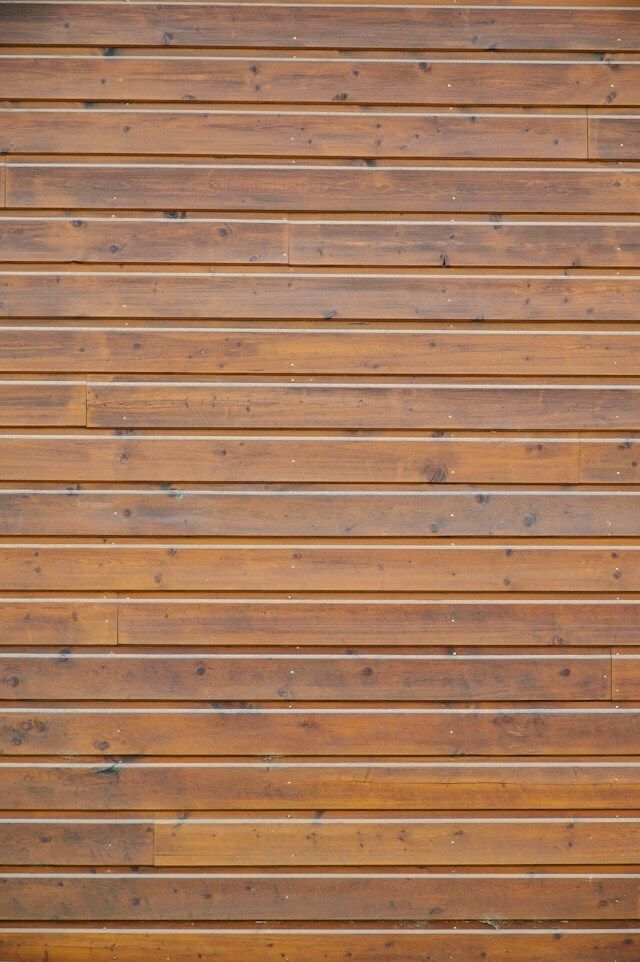
Color selection influences the overall appearance of a mixed-material exterior.
Warm brown and natural wood-inspired shades can create a traditional look. Gray and charcoal tones offer a more contemporary appearance, while lighter neutrals can complement dark window frames and contrasting trim.
The best combination depends on the roof color, architectural details, surrounding landscape, and the overall design of the property.
- Warranty conditions: Coverage, exclusions, and maintenance requirements should be reviewed before purchase. A composite label does not automatically mean a product is waterproof, fire-resistant, impact-proof, or maintenance-free. These features should be confirmed through the manufacturer's published specifications and testing information.





Top comments (0)