

A properly designed drain field is an important part of a residential septic system. It provides an area where wastewater leaving the septic tank can be distributed into the soil for further treatment and absorption. When an existing drain field becomes damaged, overloaded, or unable to perform properly, homeowners may need to consider a new installation. Understanding the planning, site evaluation, installation, and maintenance process can help property owners make informed decisions. Professional Drain Field Installation Lakeland FL services can provide the expertise needed to evaluate a property and develop an appropriate solution.
What Is a Drain Field?
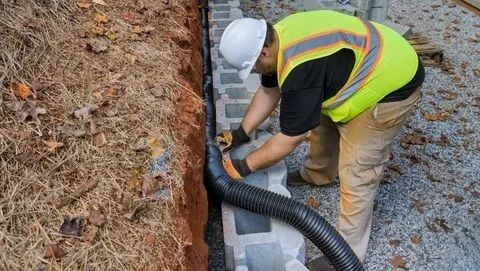
A drain field, also known as a leach field, is the portion of a septic system that receives treated liquid wastewater from the septic tank. The wastewater is distributed through a network of pipes or other approved components and gradually moves into the surrounding soil.
The soil plays an important role in the treatment process. As wastewater passes through suitable soil, natural physical, chemical, and biological processes help reduce contaminants before the water moves farther into the ground.
Because the drain field depends heavily on soil and site conditions, its design cannot simply be copied from one property to another. The size, configuration, and construction requirements may vary depending on the property's characteristics and applicable requirements.
When Is a New Drain Field Needed?
Not every septic problem requires a complete drain field replacement. Some issues can potentially be addressed through maintenance or repairs. However, a new drain field may be considered when an existing field can no longer adequately absorb wastewater or has experienced significant damage.
Common warning signs may include persistent standing water, sewage surfacing, unpleasant odors, unusually wet soil, or recurring drainage problems.
An aging system may also eventually require replacement if its components or surrounding soil no longer provide reliable performance.
Before deciding on a new installation, a qualified septic professional should evaluate the existing system and determine the likely cause of the problem. This helps homeowners avoid replacing a drain field unnecessarily when another repair may be more appropriate.
Importance of Professional Site Evaluation
One of the most important steps in Drain Field Installation Lakeland FL is evaluating the property before construction begins.
A professional may consider factors such as soil characteristics, available space, property layout, drainage, groundwater conditions, existing septic components, and wastewater needs.
The location of the drain field also needs to be considered carefully. It should be positioned in an area that can support the intended septic design while meeting applicable setback and property requirements.
A thorough evaluation helps determine whether the proposed location is suitable and what type of system may be appropriate.
Understanding Soil Conditions
Soil is a major factor in drain field performance. Different soils absorb and transmit water at different rates, and the soil profile can vary across the same property.
If wastewater is distributed into soil that does not provide suitable absorption conditions, the system may not perform as intended.
For this reason, soil evaluation is an important part of planning a new drain field. Depending on local requirements and the project, professional assessments may be necessary before installation can proceed.
Homeowners should avoid assuming that an open area of their yard is automatically suitable for a drain field. Site conditions need to be evaluated based on the requirements of the proposed septic system.
Planning the Drain Field
A drain field must be designed according to the property's wastewater needs and physical conditions. Household size, expected wastewater flow, soil characteristics, available space, and the septic tank configuration may all influence the design.
The design should also account for access and future maintenance. A drain field that is difficult to access can make future service more complicated.
Professional planning helps ensure that the installation is approached systematically rather than simply placing pipes in an available area.
The goal is to create a system that is appropriate for the site and capable of handling the property's expected wastewater flow under normal conditions.
Permits and Local Requirements
Septic installation projects may be subject to local regulations, permits, inspections, and approval requirements. These requirements can vary based on location and the type of system being installed.
For homeowners considering Drain Field Installation Lakeland FL, working with a professional familiar with applicable local requirements can make the process easier to understand.
Property owners should ask what approvals are required before work begins and whether the service provider handles the necessary permitting process.
Starting construction without understanding applicable requirements can create delays or complications. Professional planning helps ensure that regulatory considerations are addressed as part of the project.
Preparing the Installation Area
Once the design and required approvals are in place, the installation area may need to be prepared. This can involve clearing certain vegetation, establishing appropriate grades, and carefully locating existing utilities and septic components.
Excavation should be performed with care because underground utility lines or existing septic infrastructure may be present.
The area should also be protected from unnecessary traffic during construction. Heavy equipment can compact soil, and proper soil conditions are important for drain field performance.
A professional installation team can coordinate site preparation and construction according to the approved design.
Installing Drain Field Components
The exact construction process depends on the type of septic system and drain field design. Approved distribution pipes, chambers, or other components may be installed according to the project's specifications.
Proper placement and grading are important because wastewater needs to be distributed appropriately throughout the system.
Connections between the septic tank and drain field also need to be installed correctly. Poor connections or incorrect pipe placement can affect wastewater flow and system performance.
After installation, the area may be restored according to site conditions and project requirements.
Protecting a Newly Installed Drain Field
Once a new drain field is installed, homeowners need to protect it. Heavy vehicles, construction equipment, and structures should generally be kept away from the drain field unless specifically allowed by the system design or a qualified professional.
Homeowners should also be careful when planning future landscaping. Trees and plants with aggressive or deep root systems may create concerns when planted too close to underground septic components.
Avoiding unnecessary soil compaction is particularly important. The drain field depends on the surrounding soil to absorb wastewater, so maintaining appropriate soil conditions is part of responsible septic ownership.
Water Usage After Installation
Household water usage can influence how much wastewater enters the septic system. Even a newly installed drain field can be placed under unnecessary stress if excessive amounts of wastewater enter the system in a short period.
Simple habits such as repairing plumbing leaks, using water-efficient fixtures, and spreading laundry throughout the week can help manage wastewater flow.
Homeowners should also avoid treating the septic system as an unlimited disposal system. Responsible use can support the overall function of the tank and drain field.
Water conservation does not eliminate the need for maintenance, but it can be a useful part of long-term septic care.
Maintenance After Drain Field Installation
Installing a new drain field does not mean the septic system can be ignored afterward. Routine septic maintenance remains important.
The septic tank will continue to collect solid materials and eventually require pumping. The system should also be monitored for changes in drainage, odors, standing water, or other warning signs.
Keeping records of pumping, inspections, repairs, and installation details can be helpful for future maintenance.
If the homeowner notices unusual conditions around the drain field, professional evaluation should be considered rather than attempting an unverified repair.
Choosing a Drain Field Installation Professional
Selecting the right contractor is an important part of a successful installation. When searching for Drain Field Installation Lakeland FL, homeowners should consider the provider's experience, communication, knowledge of septic systems, and familiarity with local requirements.
Ask the contractor to explain the proposed design and installation process in understandable terms. It is also useful to ask about maintenance recommendations and what property owners should avoid doing after installation.
A reputable professional should be willing to discuss the reasons behind the recommended system rather than simply providing a price.
Homeowners should also make sure they understand the scope of work before construction begins.
Signs of a Drain Field That Needs Attention
Even a properly installed system should be monitored over time. Warning signs such as wastewater surfacing, persistent wet areas, strong sewage odors, or recurring backups may indicate that the septic system needs professional evaluation.
These symptoms can have several causes, so they should not automatically be attributed to the drain field.
A professional can inspect the system and determine whether the issue involves the tank, pipes, drain field, water usage, or another component.
Early investigation can help homeowners understand the problem and determine whether maintenance or repairs are appropriate.
Final Thoughts
A drain field is a critical component of a residential septic system, and proper installation begins with careful planning and site evaluation. Soil conditions, wastewater requirements, property layout, design, regulations, and construction practices all need to be considered before work begins.
Professional Drain Field Installation Lakeland FL services can help homeowners navigate the installation process and develop a system appropriate for their property's needs. Once installed, responsible water use, routine septic maintenance, and protection of the drain field can help support long-term system performance.
If an existing drain field is showing signs of failure, homeowners should seek a professional evaluation before assuming that complete replacement is necessary. Understanding the actual condition of the system can help ensure that the chosen solution is practical, appropriate, and suited to the property.






Top comments (0)