

Maintaining a pristine landscape in the unique climate of North Texas is a challenge that many property owners face daily. The combination of intense summer heat, occasional drought conditions, and unpredictable seasonal shifts means that a generic, one-size-fits-all approach to yard care simply does not work here. For homeowners and commercial property managers alike, understanding the specific biological needs of local turfgrasses—such as Bermuda, Zoysia, and St. Augustine—is critical to preventing weed infestations, soil compaction, and turf disease. This is why determining the correct frequency for Lawn Maintenance in Grapevine is not just about aesthetics; it is a fundamental requirement for preserving property value and ensuring the long-term health of your outdoor space.
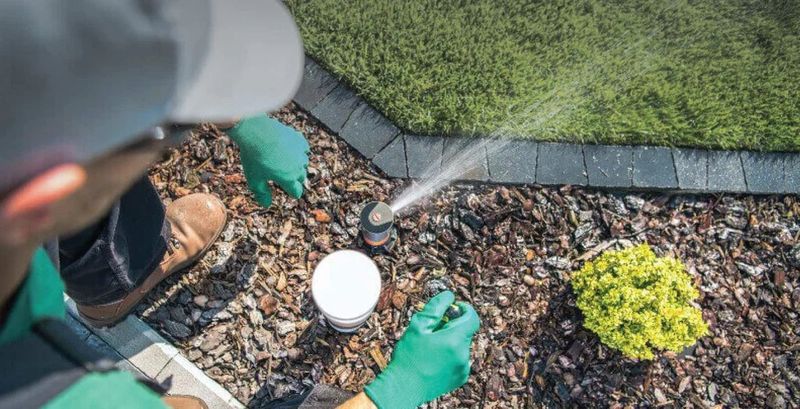
The demand for reliable and high-quality yard care in this region has grown significantly as more residents recognize that reactive care—only addressing problems after they appear—is far more expensive than proactive management. When you schedule services too infrequently, the grass becomes stressed, root systems weaken, and invasive species take hold quickly in the warm soil. Conversely, excessive maintenance can waste resources and disrupt the natural growth cycle of the turf. By establishing a scientifically sound schedule that aligns with the local growing seasons, you can achieve a lush, resilient lawn that serves as a beautiful extension of your living space. This guide explores the optimal timing for professional services, the factors influencing those schedules, and the long-term benefits of consistent care.
Understanding the Unique Climate Drivers of Lawn Maintenance in Grapevine
The scheduling of turf care in this specific area of the Dallas-Fort Worth metroplex is dictated largely by the region's transitional climate and heavy clay soils. Unlike northern states that experience prolonged winter dormancy or coastal regions with consistent moisture, Grapevine faces extreme temperature swings that stress the turf. During the peak of summer, when temperatures regularly exceed 100 degrees Fahrenheit, cool-season weeds die off but warm-season grasses require intense hydration and precise mowing heights to survive the heat stress without burning out. The soil composition here, which is often dense and alkaline, tends to compact easily under foot traffic and heavy rain, restricting the flow of oxygen and nutrients to the root zone. Therefore, a maintenance schedule must be dynamic, shifting from weekly mowing during rapid growth phases to bi-weekly visits focused on soil health and pre-emergent applications during transitional periods.
The Importance of Professional Turf Care and Consistent Scheduling
While many homeowners attempt to handle yard work independently, the precision required to keep turf healthy in this environment often necessitates professional intervention. A professional service provider brings an understanding of local agronomy that goes beyond simply cutting grass; they assess soil pH, monitor for fungal pathogens like Brown Patch or Take-All Root Rot, and calibrate equipment to ensure clean cuts that prevent disease. Consistent scheduling is vital because turf recovery is slow. If a lawn is scalped or left to grow too tall between visits, it enters a state of shock that can take weeks to recover from, leaving it vulnerable to pests. Professionals ensure that no single maintenance task is ever neglected for too long, creating a rhythm that allows the grass to thicken over time, naturally choking out weeds and creating that dense, carpet-like appearance that defines a high-end property.
Comprehensive Services Included in Routine Yard Care Packages
When evaluating how frequently to bring in experts, it is helpful to understand what a comprehensive visit entails beyond standard mowing. A robust Lawn Maintenance in Grapevine schedule integrates several critical services that must be timed perfectly throughout the year. These typically include precision mowing, string trimming, edging along driveways and walkways, and blowing off hard surfaces. However, the most impactful services are those related to nutrition and pest control. Fertilization must occur at specific intervals in the spring and fall to feed the roots without burning the blades. Core aeration is usually required once or twice a year to alleviate soil compaction, allowing water and fertilizer to penetrate deep into the earth. Additionally, the application of pre-emergent herbicides in early spring and fall is the single most effective defense against seasonal weeds, and missing these application windows by even a week can result in months of weed battles.
Choosing the Right Provider for Lawn Maintenance in Grapevine
Selecting a vendor to manage your property is a decision that requires careful vetting of their experience with local turf types and their commitment to sustainable practices. You should look for a company that offers customized plans rather than a rigid, one-size-fits-all contract. A reputable provider will visit your property to assess the specific grass variety, the amount of sunlight the yard receives, the drainage patterns, and the current state of soil health before recommending a frequency. They should be licensed and insured, with a strong portfolio of work in the Grapevine community. Furthermore, communication is key; the best companies provide detailed reports after each visit and alert you to potential issues, such as irrigation leaks or early signs of disease, before they become catastrophic and costly to repair.
Quality Standards, Safety Protocols, and Environmental Responsibility
Modern turf care has evolved to prioritize environmental stewardship just as much as visual appeal. High-quality providers in this area adhere to strict safety protocols regarding the handling of fertilizers and control products, ensuring the safety of children, pets, and local wildlife. They often employ integrated pest management (IPM) strategies, which prioritize cultural practices—like proper mowing heights and watering schedules—to prevent problems before resorting to chemical treatments. The standard of care also extends to the equipment used; sharp mower blades are essential to prevent tearing the grass, which creates entry points for disease. A professional service that invests in well-maintained, commercial-grade equipment and trains its staff on the latest turf science will consistently deliver better results and a safer environment than a low-cost operator cutting corners.
The Financial Benefits of Hiring a Professional Service
Many property owners view professional landscaping as an expense, but when analyzed through the lens of property value and risk mitigation, it is actually a high-return investment. Curb appeal is one of the most significant factors in real estate valuation, and a well-maintained yard can increase a home's perceived value by a substantial margin. Beyond aesthetics, proactive maintenance prevents expensive remediation projects. Restoring a lawn that has been overtaken by weeds or killed by disease often costs three to four times more than a year of consistent professional care. Additionally, hiring a service saves the homeowner the capital expense of purchasing, maintaining, and storing heavy machinery like aerators, spreaders, and commercial mowers. The time saved by outsourcing this labor allows business professionals and families to enjoy their weekends rather than spending them laboring in the Texas heat.
Future Trends in Turf Science and Maintenance Scheduling
The lawn care industry is currently undergoing a technological revolution that is changing how schedules are determined and services are delivered. Smart irrigation systems are now being integrated with local weather data to adjust watering cycles automatically, preventing both drought stress and overwatering. In the coming years, we will see a greater adoption of robotic mowers that can maintain a consistent cut height daily, reducing stress on the turf. Furthermore, advancements in organic soil amendments and bio-stimulants are allowing professionals to build healthier soil ecosystems that require fewer synthetic inputs. As these technologies become more accessible, the frequency of Lawn Maintenance in Grapevine may shift toward more frequent, lighter-touch visits that focus on monitoring and minor adjustments, rather than the traditional weekly heavy mowing sessions, resulting in healthier turf and a smaller carbon footprint.
Conclusion
Establishing the right rhythm for yard care is the cornerstone of a beautiful and healthy property in North Texas. The local environment presents distinct challenges, from dense clay soil to scorching summer heat, that require a specialized and proactive approach. By committing to a professional schedule that addresses the specific needs of the turf throughout the changing seasons, property owners can avoid the pitfalls of disease, drought, and weed invasion. Ultimately, investing in consistent Lawn Maintenance in Grapevine is an investment in the longevity of your landscape and the overall value of your property. For those who take pride in their outdoor spaces, partnering with local experts ensures that the lawn remains a vibrant, resilient, and welcoming environment for years to come.






Top comments (0)