

A properly designed gutter system plays an important role in protecting a home from rainwater damage. Gutters collect water from the roof and direct it away from the foundation, siding, landscaping, and other vulnerable areas around the property. When gutters are missing, poorly installed, damaged, or incorrectly positioned, rainwater can create drainage problems that become expensive to fix over time. For homeowners looking for dependable Gutter Installation in Colleyville TX, choosing the right system and professional installation can make a significant difference.
Colleyville homes experience changing weather conditions throughout the year, including periods of heavy rainfall. A reliable gutter system can help manage roof runoff and direct water toward appropriate drainage areas. However, gutters are only effective when they are correctly sized, properly pitched, securely attached, and connected to suitable downspouts.
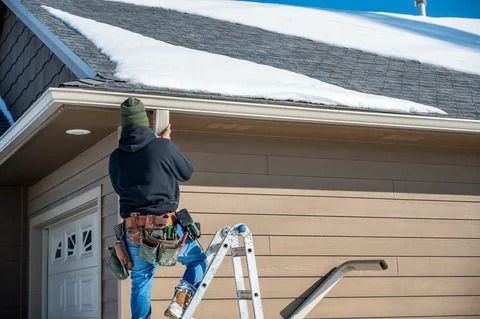
Why Gutters Are Important for Your Home
Rainwater coming off a roof can move with considerable force.
Without gutters, water may fall directly next to the foundation or collect around the home's exterior walls. Over time, repeated exposure to uncontrolled water can contribute to soil erosion, landscape damage, foundation moisture, and other drainage concerns.
A properly installed gutter system creates a controlled path for roof runoff.
Instead of allowing water to fall wherever it naturally flows, gutters collect it and guide it toward downspouts. Downspouts then direct the water away from areas where it could cause problems.
Benefits of Professional Gutter Installation
Installing gutters may appear straightforward, but proper installation requires careful measurements and planning.
Professionals can evaluate the roofline, determine appropriate gutter dimensions, position downspouts, establish proper slope, and select suitable materials.
Professional installation can also help prevent common problems such as sagging sections, standing water, leaking joints, and improperly positioned downspouts.
For homeowners investing in a new gutter system, professional installation can provide greater confidence that the system is designed for the specific property rather than using a one-size-fits-all approach.
Choosing the Right Gutter Material
Gutters are available in several materials, and each option has different characteristics.
Aluminum is popular because it is relatively lightweight, resistant to rust, and available in a variety of colors.
Steel gutters can provide strength and durability but may require additional consideration regarding corrosion.
Copper gutters offer a distinctive appearance and can develop a natural patina over time, making them a popular choice for certain architectural styles.
The best material depends on the home's design, budget, maintenance preferences, and desired appearance.
Seamless vs. Sectional Gutters
One important decision homeowners may face is whether to choose seamless or sectional gutters.
Sectional gutters are manufactured in predetermined lengths and joined together during installation. More joints can mean more potential locations for leaks over time.
Seamless gutters, on the other hand, are generally formed to the required length on-site using specialized equipment. This reduces the number of seams along long gutter runs.
Homeowners researching Seamless Gutter Installation Near Me may find seamless systems particularly attractive when they want a cleaner appearance and fewer joints.
However, proper installation remains important regardless of gutter style.
How Seamless Gutters Work
Seamless gutters are typically produced from a continuous roll of gutter material and shaped to match the measurements of the property.
The installation team determines the required lengths before forming the gutters.
Because long sections can be created with fewer joints, seamless systems can provide a streamlined appearance.
The main seams are generally located at corners, downspout connections, or other necessary transition points.
A professional installer can evaluate the home's roofline and determine where seams and downspouts should be positioned.
Proper Gutter Slope
Gutters need an appropriate slope so that water moves toward the downspouts.
If a gutter is installed too level, water may remain inside instead of draining properly.
If the slope is excessive, the gutter may not effectively collect water across the entire roof edge.
Proper pitch should therefore be established during installation.
The required slope can vary depending on gutter design, roof configuration, length, and local installation practices.
An experienced installer can determine the appropriate pitch for the property.
Downspout Placement
Gutters can only move water effectively if the downspouts are positioned correctly.
A long roofline may require multiple downspouts to handle the volume of water generated during heavy rainfall.
Downspouts should also discharge water far enough away from the foundation or connect to an appropriate drainage solution where suitable.
Poorly positioned downspouts can cause water to collect near the foundation even when the gutters themselves are working correctly.
A complete gutter installation should therefore consider the entire drainage path, not just the gutters along the roof.
Protecting the Foundation
One of the most important reasons for installing gutters is to help control water around the foundation.
When rainwater repeatedly lands directly beside a home, it can saturate the surrounding soil.
Depending on site conditions, this can contribute to drainage problems and moisture concerns.
A properly designed gutter system directs roof runoff toward designated discharge points.
Homeowners should remember that gutters are only one part of foundation water management. Proper grading, drainage, downspout extensions, and other site-specific solutions may also be necessary.
Gutter Installation and Landscaping
Uncontrolled roof runoff can damage landscaping.
Water falling from roof edges can wash away mulch, soil, and plants.
It may also create muddy areas near walkways and entrances.
A properly installed gutter system can help direct water toward more appropriate locations.
Homeowners can discuss downspout placement with installers to reduce the impact on gardens, flower beds, patios, and other landscaping features.
Preventing Soil Erosion
Repeated water flow can gradually remove soil from areas around a property.
This is especially noticeable where roof runoff falls in the same location during every rainfall.
Gutters and downspouts can help control this water flow.
In some cases, homeowners may also need splash blocks, extensions, drainage systems, or other solutions to distribute water appropriately.
The best approach depends on the property's slope, soil, landscaping, and existing drainage.
When Should You Replace Your Gutters?
Not every gutter problem requires complete replacement.
Minor leaks, loose fasteners, or isolated damage may be repairable.
However, replacement may make more sense when gutters have extensive corrosion, repeated leaks, significant sagging, widespread damage, or poor design.
Homeowners should have the system inspected before deciding.
A professional can determine whether repair or replacement is the more practical long-term option.
Signs You May Need New Gutters
Several visible signs can indicate that a gutter system needs attention.
These may include:
Water overflowing during rain
Sagging or pulling away from the roof
Visible cracks or holes
Rust or corrosion
Persistent leaks at joints
Water pooling near the foundation
Peeling paint around exterior areas
Soil erosion below roof edges
Frequently clogged sections
These signs do not automatically mean the entire system needs replacement, but they should not be ignored.
Gutter Guards and Maintenance
Even a properly installed gutter system requires maintenance.
Leaves, twigs, pine needles, dirt, and other debris can accumulate inside gutters.
Gutter guards can help reduce the amount of debris entering the system.
Homeowners searching for Gutter Guard Installation Near Me may consider guards as part of a long-term gutter maintenance strategy.
However, gutter guards do not necessarily eliminate maintenance entirely. Debris can still collect on top of guards, and the system should be inspected periodically.
Preparing for Gutter Installation
Before installation begins, homeowners should discuss the project requirements with the contractor.
The installer may need access around the entire exterior of the home.
Outdoor furniture, decorations, vehicles, and other obstacles may need to be moved temporarily.
Homeowners should also identify any existing drainage concerns, landscaping preferences, or areas where water currently accumulates.
Clear communication can help the installation process proceed more smoothly.
Why Local Experience Matters
A contractor familiar with Colleyville properties may understand common local drainage challenges and weather conditions.
This can be useful when designing gutter systems for different roof styles and property layouts.
Local experience can also help contractors recommend practical downspout placement and drainage solutions.
However, homeowners should still evaluate a company's experience, insurance, workmanship, reviews, and service terms before making a decision.
Gutter Maintenance After Installation
New gutters should still be inspected and maintained.
Even seamless gutters can collect debris.
Routine maintenance helps identify small issues before they become larger problems.
During an inspection, homeowners or professionals can check for:
Blocked gutters
Loose brackets
Damaged downspouts
Leaking joints
Sagging sections
Gutter guard buildup
Improper water discharge
Regular maintenance can help extend the useful life of the system.
Combining Gutters With Drainage Solutions
Some properties require more than gutters to manage rainwater effectively.
If water continues to collect in a yard or around the foundation, homeowners may consider additional drainage solutions.
French drains, downspout extensions, catch basins, grading improvements, and other systems may be appropriate depending on the property.
For example, professional French Drain Cleaning Colleyville TX services can help maintain an existing drainage system when debris or sediment affects its performance.
A complete drainage assessment can help determine how different systems should work together.
Choosing a Gutter Installation Company
When searching for Gutter Installation in Colleyville TX, homeowners should compare contractors carefully.
Consider asking about:
Installation experience
Gutter materials
Seamless gutter options
Downspout design
Gutter guard options
Insurance and licensing where applicable
Warranty information
Maintenance services
Project timeline
Written estimates
A reputable contractor should explain the proposed system and answer questions before installation begins.
Final Thoughts
Professional Gutter Installation in Colleyville TX can provide homeowners with an effective way to manage roof runoff and protect important areas around their properties. A properly designed system can help direct rainwater away from the foundation, reduce uncontrolled runoff, protect landscaping, and minimize soil erosion.
Choosing the right gutter material, size, slope, downspout configuration, and maintenance strategy is essential for long-term performance. Seamless gutters can provide a clean appearance with fewer joints, while gutter guards may help reduce debris accumulation.
However, installation quality remains one of the most important factors. Even high-quality gutters can perform poorly when they are incorrectly pitched, inadequately supported, or connected to poorly planned drainage.
Homeowners should compare local contractors based on experience, workmanship, insurance, materials, warranties, and customer service rather than focusing only on the lowest price.
With professional installation and regular maintenance, a well-designed gutter system can become an important part of a home's overall water-management strategy and provide reliable protection through changing weather conditions.







Top comments (0)