

The exterior of a home plays an important role in protecting the property while also creating its visual identity. Siding is one of the largest visible surfaces of a house, so its condition can have a major impact on curb appeal, maintenance, and overall exterior performance. When siding becomes damaged, faded, outdated, or difficult to maintain, hiring the right siding contractor can make the improvement process much easier. A qualified professional can help homeowners understand their options, select suitable materials, prepare the exterior correctly, and complete the installation with attention to detail.
Understanding the Role of a Siding Contractor
A siding contractor specializes in installing, repairing, replacing, and sometimes maintaining exterior siding systems. Depending on the company, contractors may work with materials such as vinyl, fiber cement, engineered wood, natural wood, metal, or other siding products.
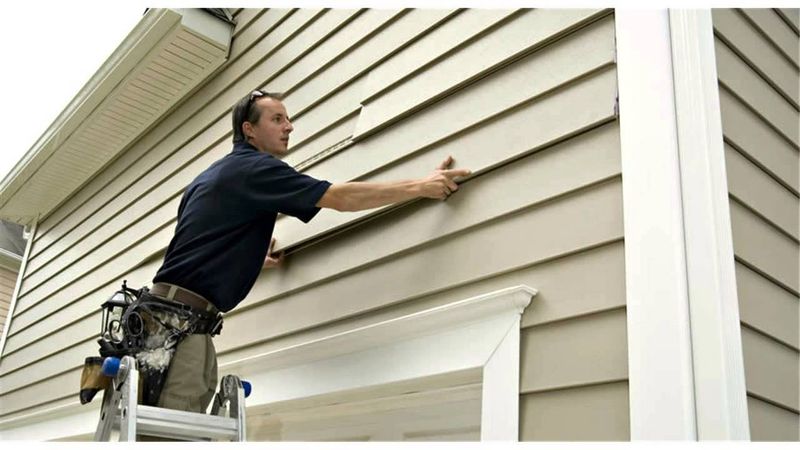
Their role is not limited to attaching panels to the outside of a house. Proper siding installation involves preparation, measurements, moisture management, flashing, trim, fasteners, and attention to the details around windows, doors, corners, and rooflines.
Because siding interacts with several other exterior components, choosing a professional with relevant experience can help ensure that the finished project looks cohesive and performs as intended.
Knowing When Your Siding Needs Attention
Siding can last for many years, but exposure to weather eventually takes its toll. Strong sunlight, rain, wind, temperature changes, moisture, and accidental impacts can all contribute to deterioration.
Visible cracks, warped panels, loose sections, peeling finishes, discoloration, or signs of moisture may indicate that the siding needs professional attention. However, not every cosmetic issue requires complete replacement.
A qualified siding contractor can inspect the exterior and determine whether isolated repairs, partial replacement, or a larger project is more appropriate. The condition of the underlying wall should also be considered because exterior damage can sometimes hide moisture-related problems.
Choosing the Right Siding Material
One of the most important decisions in a siding project is selecting the right material. Different siding products have different appearances, maintenance requirements, durability characteristics, and installation methods.
Vinyl siding is popular because it comes in a wide range of colors and generally requires relatively little maintenance. Fiber cement can provide a durable exterior with a variety of design options. Engineered wood offers another alternative for homeowners who appreciate the appearance of wood while looking for a manufactured product.
Natural wood can provide a distinctive and traditional appearance, but it generally requires more ongoing maintenance. Metal siding can create a modern or industrial aesthetic and may be suitable for certain architectural styles.
The best choice depends on the home, local conditions, desired appearance, budget, and willingness to maintain the material.
Considering Your Home's Architectural Style
Siding should complement the design of the house rather than simply following the latest trend. A traditional property may look best with classic siding profiles and understated colors, while a contemporary home may benefit from clean lines and contrasting materials.
When working with a siding contractor, discuss how the proposed siding will interact with existing roof colors, windows, doors, trim, and other exterior details.
You can also consider using multiple siding styles or materials to emphasize architectural features. Different textures can distinguish gables, entryways, or other areas without requiring dramatic colors.
Improving Curb Appeal
New siding can make an older home look significantly fresher. Color is one of the easiest ways to change the property's visual character, but texture and profile are also important.
Neutral colors such as soft gray, cream, beige, or muted white can create a timeless appearance. Darker shades can produce a more dramatic contemporary look, while natural tones can make a home feel warmer.
Trim provides another opportunity for contrast. A siding color paired with slightly lighter or darker trim can highlight windows, corners, and rooflines.
A good siding contractor can help homeowners understand how different combinations may appear across the entire exterior rather than judging a color from a small sample alone.
Understanding Siding Installation
Professional siding installation requires more than placing visible panels onto the exterior. Proper preparation helps protect the building envelope and contributes to the long-term performance of the siding.
Depending on the system, installation may involve removing existing materials, inspecting the underlying surface, addressing damage, installing appropriate weather-resistant layers, and carefully fitting the siding around openings and transitions.
Details around windows and doors deserve particular attention because these areas can be vulnerable to moisture infiltration. Correct flashing and finishing can help manage water and maintain a cleaner appearance.
The Importance of Moisture Management
One of the main purposes of exterior siding is to contribute to the home's protection from outdoor moisture. However, siding itself is only one part of the overall exterior system.
Water can enter through poorly sealed transitions, damaged materials, or incorrectly installed flashing. If moisture becomes trapped behind the siding, it can potentially contribute to deterioration of underlying materials.
For this reason, homeowners should ask their siding contractor how the installation will address drainage and moisture management. The contractor should be familiar with the requirements of the specific siding product being installed.
Coordinating Siding With Windows and Doors
Siding projects often provide an opportunity to update other exterior features. If your windows are outdated or damaged, coordinating window replacement with siding work can create a more cohesive appearance.
New windows can be selected to complement the siding color and architectural style. Trim around the windows can then be designed to create a consistent visual transition.
The same principle applies to exterior doors. A new entry door can become a strong focal point when its color and style are coordinated with the new siding.
Planning these elements together can prevent the exterior from looking like individual improvements were completed at different times without an overall design strategy.
Combining Siding With Roofing
The roof and siding make up two of the largest visual components of a home's exterior. If both are being updated, their colors and textures should be considered together.
For homeowners planning roof replacement, choosing the roof and siding at the same time can make the design process easier. A neutral roof color may provide flexibility, while a more distinctive roof can become part of the home's overall visual identity.
The objective is to create contrast without creating visual conflict. Samples should be viewed outdoors under different lighting conditions because colors can appear different depending on sunlight and surrounding surfaces.
Comparing Contractor Estimates
Before hiring a siding contractor, obtain detailed estimates from more than one qualified professional when practical. Each estimate should clearly describe the materials, preparation, installation, trim, removal of existing siding if applicable, disposal, and cleanup.
Do not compare estimates solely by price. A lower quote may not include the same level of preparation or materials as a higher quote.
Ask questions about the expected timeline, payment schedule, warranties, and how unexpected issues will be handled. A detailed written agreement can help prevent misunderstandings once the project begins.
Checking Credentials and Previous Work
Credentials, insurance, experience, and customer feedback should all be considered before selecting a contractor. Ask whether the contractor has completed projects similar to yours and whether they can provide examples of previous work.
Photos can provide useful information about workmanship, but references and reviews can offer additional insight into communication and reliability.
A professional contractor should be willing to explain the installation process and answer reasonable questions. Be cautious of anyone who uses high-pressure sales tactics or refuses to provide basic project information.
Preparing for a Siding Project
Siding installation can temporarily affect the area around your home. Materials may need to be stored on the property, and workers will require access to exterior walls.
Before work begins, move outdoor furniture, vehicles, decorations, and other items away from the work areas. Discuss how landscaping will be protected and how construction debris will be managed.
There may also be noise during removal and installation. Knowing the expected schedule can help you plan around the busiest stages of the project.
Maintaining Your New Siding
Maintenance requirements vary by material, so follow the manufacturer's recommendations. Some siding can be cleaned periodically with mild methods, while natural materials may require additional maintenance.
Inspect the exterior occasionally for cracks, loose sections, stains, or other visible changes. Keep gutters and downspouts functioning properly because uncontrolled water can affect exterior surfaces.
Trees and shrubs should also be maintained where necessary so that branches or excessive vegetation do not remain against the siding for extended periods.
Making the Most of Your Exterior Investment
A siding project can be an opportunity to rethink the entire exterior design. Consider how the siding will interact with lighting, landscaping, doors, windows, roofing, and architectural details.
Instead of choosing a material based solely on its initial appearance, think about how it will look after several years and how much maintenance you are comfortable performing.
A professional siding contractor can help you compare options and identify potential installation considerations before you commit to a particular product.
Final Thoughts
Choosing the right siding contractor is an important part of improving your home's exterior. A skilled professional can help you evaluate the condition of existing siding, select suitable materials, prepare the exterior properly, and complete installation with attention to important details.
Take time to compare contractors, review estimates, ask about materials, and understand the installation process. Consider siding as part of the home's complete exterior rather than an isolated feature, especially if you are also planning roofing, window, or door improvements.
With thoughtful planning and professional installation, new siding can give your home a refreshed appearance while contributing to long-term exterior protection. The right combination of material, color, craftsmanship, and maintenance can create an exterior that remains attractive and functional for many years.






Top comments (0)