

``Maintaining a vibrant, healthy lawn in Southlake, Texas, requires a nuanced understanding of the local climate, soil composition, and turfgrass varieties. The unique environmental conditions of North Texas, characterized by intense summer heat, sporadic rainfall, and clay-heavy soil, present specific challenges that do not apply to other regions of the country. Homeowners who apply generic, one-size-fits-all maintenance routines often find themselves fighting an uphill battle against fungal diseases, soil compaction, and drought stress. The margin between a lush, green carpet of grass and a patchy, brown yard is often determined by the precision of the maintenance techniques applied throughout the growing season.
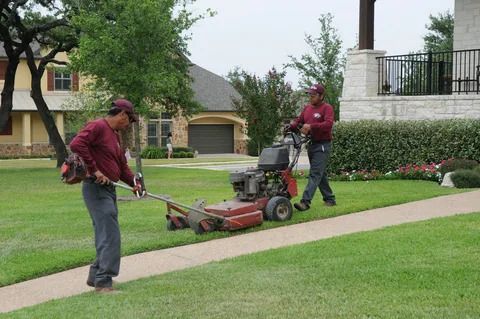
The demand for expert lawn care Southlake TX services continues to rise as residents recognize that achieving curb appeal requires more than just mowing and watering. Many property owners inadvertently sabotage their own efforts by engaging in practices that seem beneficial on the surface but are actually detrimental to the long-term health of the turf. Understanding these common pitfalls is the first step toward correcting them. Whether you are a business owner looking to enhance your commercial property’s exterior or a homeowner striving for the perfect backyard, avoiding these errors will save you significant time, money, and frustration in the long run.
Understanding Southlake, TX Lawn Care and Its Importance
Lawn care southlake tx is fundamentally different from turf management in cooler or more humid climates due to the prevalence of warm-season grasses like Bermuda, Zoysia, and St. Augustine. These grass types thrive in the heat but go dormant during the cooler winter months, turning a tan color until spring. A common mistake is treating these warm-season grasses like their cool-season counterparts, leading to incorrect fertilization schedules and improper mowing heights. When homeowners fail to recognize the biology of their specific turf, they often fertilize at the wrong time of year, which can burn the grass or encourage excessive thatch buildup rather than root development.
The importance of proper lawn care in this region extends beyond mere aesthetics. A healthy lawn serves as a natural air conditioner, reducing the surrounding temperature by up to 14 degrees Fahrenheit compared to concrete or bare soil. In the scorching Texas summers, this cooling effect translates directly into lower energy bills for homeowners and businesses. Furthermore, a thick, healthy turf acts as a natural filtration system, preventing soil erosion and reducing runoff during the heavy thunderstorm seasons that frequent the area. When lawns are damaged by poor maintenance practices, they lose these environmental benefits, leading to increased dust, mud, and even foundation issues due to shifting soil moisture levels.
The Critical Mistake of Improper Mowing Heights
One of the most pervasive mistakes in involves the height at which homeowners cut their grass. There is a persistent myth that cutting grass very short reduces the frequency of mowing and keeps the lawn looking neat for longer periods. However, this practice, often referred to as "scalping," is incredibly damaging, especially for warm-season grasses. When grass is cut too short, the plant’s ability to photosynthesize is severely reduced. This starves the root system, making the turf weak and susceptible to weed invasion, insect infestations, and heat stress. The exposed soil also heats up rapidly, creating a microclimate that is inhospitable to healthy turf growth.
For the grass types common in Southlake, maintaining a taller mowing height is essential for shading the soil, which helps retain moisture and inhibits weed germination. During the peak summer months, Bermuda grass should generally be maintained at a height of one to two inches, while St. Augustine should be cut much higher, around three to four inches. Many homeowners make the mistake of setting their mower to the same setting year-round, but the height should actually be adjusted seasonally. Raising the blade in the height of summer protects the crown of the plant from the scorching sun, while a slightly lower cut in the early spring can help remove dead material and encourage new growth.
Importance of Professional Soil Analysis and Fertilization
Another major factor that leads to lawn failure is the "guessing game" approach to fertilization. Many residents of Southlake apply a standard "weed and feed" product from the local hardware store without ever testing their soil. This is a critical error because the heavy clay soils in this region often have high pH levels, which can lock up essential nutrients like iron and magnesium, making them unavailable to the grass. Applying a high-nitrogen fertilizer to a lawn that is suffering from an iron deficiency will only result in a flush of weak, leggy growth that is prone to disease, rather than the deep green color the homeowner is trying to achieve.
Professional lawn care services in Southlake understand the chemistry of the local soil and the specific nutritional needs of warm-season turf. They utilize soil tests to determine the exact pH balance and nutrient profile of a property before recommending a treatment plan. This scientific approach prevents the common mistake of over-fertilization, which not only damages the lawn but also harms the local watershed through chemical runoff. By correcting pH imbalances with targeted applications of sulfur or lime and providing micronutrients at the right time, professionals can unlock the genetic potential of the grass, creating a dense, resilient turf that naturally crowds out weeds.
Irrigation Errors That Lead to Disease and Root Rot
Watering seems like the simplest aspect of maintenance, yet it is where the most significant damage occurs in the Dallas-Fort Worth metroplex. The most common irrigation mistake is frequent, shallow watering. Homeowners often set their sprinklers to run for ten or fifteen minutes every single morning. While this keeps the surface of the soil damp, it encourages the grass roots to grow upwards toward the surface to access the water. This creates a shallow root system that is highly vulnerable to the intense Texas heat. Once a heatwave hits or a water restriction is enacted, the grass dies quickly because it has no deep reserves.
Instead of frequent watering, turf in Southlake requires deep and infrequent soaking. This typically means watering one to two times per week for a duration long enough to penetrate the soil to a depth of six inches or more. This encourages deep root growth, making the grass drought-tolerant and robust. Conversely, watering in the late evening or at night is also a dangerous habit. When water sits on the grass blades overnight, especially in the humid conditions of a Texas summer, it creates the perfect environment for fungal diseases like Brown Patch and Take-All Root Rot. The best practice for is to water in the early morning hours, just before sunrise, so that the water soaks into the soil but the blades dry out quickly as the sun rises.
Choosing the Right Lawn Care Southlake TX Service Provider
When homeowners decide to outsource their turf management, they often make the mistake of choosing a provider based solely on the lowest price. While budget is always a consideration, bargain lawn care often results in bargain results. Companies that charge very little often cut corners by using the cheapest chemicals, skipping soil amendments, and sending out untrained technicians who may not understand the difference between a weed and a desirable grass species. This can lead to a cycle of damage where the lawn becomes dependent on chemical quick-fixes rather than building natural health.
Selecting the right partner for requires vetting their credentials and their understanding of local agronomy. Business owners and homeowners should look for providers who are licensed by the Texas Department of Agriculture and who demonstrate a knowledge of Integrated Pest Management (IPM). A high-quality service provider will not just spray chemicals on a schedule; they will walk the property, diagnose issues, adjust for weather patterns, and communicate with the property owner about irrigation settings and mowing practices. This holistic approach ensures that the lawn is being managed as a living ecosystem, not just a green surface to be painted with fertilizer.
Quality, Safety, and Industry Standards in Turf Management
In recent years, there has been a significant shift in the lawn care industry toward environmental stewardship and safety standards. Homeowners in Southlake are increasingly concerned about the impact of pesticides and synthetic fertilizers on their children, pets, and the local environment. A common mistake is assuming that all lawn care products are inherently dangerous and choosing to do nothing, which results in a degraded landscape. The alternative is finding a provider who utilizes modern, low-impact products and biological soil activators that are safe for the family while still being effective against pests.
The industry standard is moving toward a balance of chemical and organic methods. Professionals in are now utilizing soil microbes, compost teas, and slow-release nitrogen sources that feed the soil food web rather than just the grass plant. This approach builds organic matter in the clay soil, improving drainage and aeration naturally. Homeowners who understand these industry standards are better equipped to ask the right questions about what is being applied to their property, ensuring that the service is not only effective for the lawn but also safe for the residents and the ecosystem.
Benefits of Hiring Professional Services Over DIY Methods
The DIY approach to lawn care is often driven by a desire to save money or a passion for gardening. However, the complexity of turf management in the Texas climate often makes DIY the most expensive option when the cost of errors is factored in. Buying the wrong fertilizer, applying it at the wrong rate, or using a pump sprayer with the incorrect dilution can kill a lawn in a matter of days. Professionals have the calibrated equipment and the chemical knowledge to apply products at exact rates, ensuring efficacy without phytotoxicity.
Furthermore, hiring a professional for allows the property owner to reclaim their weekends. Turf management is not a weekend hobby if you want professional results; it is a science that requires consistent monitoring. Professionals are on a schedule, treating for weeds before they emerge, preventing fungus before the humidity spikes, and treating pests before they destroy the root system. This proactive approach prevents the large-scale damage that forces homeowners to spend thousands of dollars on sod replacement or lawn renovation. The benefit of a service is not just the application of products, but the peace of mind that comes from knowing the investment is protected by an expert.
Future Trends and Industry Development
The future of lawn care in North Texas is being shaped by technology and a deeper understanding of plant biology. Smart irrigation controllers that connect to local weather stations are becoming standard practice, automatically adjusting watering schedules to prevent the overwatering mistakes discussed earlier. These systems use evapotranspiration data to provide the exact amount of water the lawn has lost, eliminating waste and preventing disease. Homeowners who adopt these technologies are seeing significant reductions in water bills and improvements in turf health.
Additionally, the industry is seeing a rise in the use of bio-stimulants and humic acids. These products are designed to unlock the nutrients already present in the soil, reducing the need for heavy synthetic fertilizer applications. As water restrictions become more common in Texas, the focus is shifting to drought-tolerant turf varieties and soil amendment programs that improve water retention. The professionals who stay ahead of these trends provide a significant advantage to their clients, ensuring that their lawns remain resilient in the face of changing climate patterns and stricter environmental regulations.
Conclusion
Maintaining a beautiful lawn in Southlake, Texas, is a challenging endeavor that requires avoiding a variety of common mistakes, from mowing too low and watering too frequently to ignoring the chemistry of the soil. The difference between a struggling yard and a thriving landscape often comes down to the details of execution and the timing of specific treatments. By understanding the biology of warm-season grasses and the unique challenges of the Texas climate, property owners can make informed decisions that protect their investment and enhance the beauty of their properties.
In the end, the value of professional lawn care southlake tx cannot be overstated for those who seek a pristine, healthy landscape without the trial and error of DIY methods. By partnering with knowledgeable experts who prioritize soil health, safety, and environmental stewardship, you can avoid the costly mistakes that damage lawns and instead cultivate a vibrant outdoor space that adds value to your home or business. Investing in quality care today ensures a resilient, green lawn that will withstand the harsh Texas summers for years to come.







Top comments (0)