

A thoughtfully designed home is not simply a place filled with furniture. It is a space where design, comfort, personality, and individual taste come together. For people who appreciate distinctive design, collectible modern furniture offers an exciting way to create an interior that feels both sophisticated and personal. Unlike ordinary mass-produced pieces, collectible furniture often has a stronger design identity, interesting craftsmanship, and a quality that allows it to remain relevant for years. Whether you are furnishing a new home or gradually improving an existing space, carefully selected modern pieces can become more than functional objects—they can become an important part of the character and story of your interior.
Understanding the Appeal of Collectible Modern Furniture
The popularity of collectible modern furniture comes from the combination of artistic expression and everyday functionality. A well-designed chair, table, cabinet, or lighting piece can serve a practical purpose while also becoming a visual focal point. These pieces often attract attention because of their unusual proportions, innovative materials, distinctive shapes, or thoughtful construction.
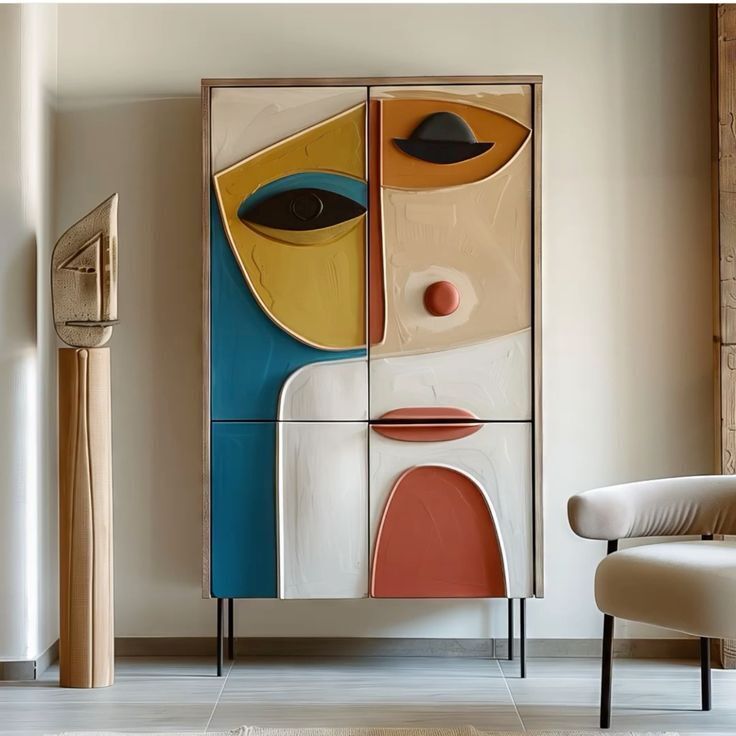
Unlike furniture selected only to fill an empty room, collectible pieces are usually chosen because they create an emotional or visual connection. You might be attracted to the curves of a chair, the craftsmanship of a wooden table, or the simplicity of a beautifully proportioned cabinet. This personal connection can make the furniture feel much more meaningful over time.
Collectible furniture can also provide a sense of individuality. When a room contains carefully selected pieces rather than identical items from a single collection, it feels more personal and less predictable. This is particularly valuable for homeowners who want their interiors to reflect their own interests rather than simply following current trends.
Choosing Furniture With Strong Design Character
When building a collection, look beyond surface appearance. The most successful pieces often have qualities that remain interesting even after trends change. Pay attention to proportion, material, construction, silhouette, and overall balance.
A chair with a distinctive curved back can become a focal point in a quiet room, while a sculptural table can provide visual interest without requiring additional decoration. A simple cabinet made from beautiful natural wood may have more lasting appeal than a heavily decorated piece that follows a temporary trend.
Think about how the furniture will interact with the rest of the room. A statement piece does not necessarily need to be large. Sometimes a carefully designed side table, armchair, or console can have a greater impact than an oversized piece that dominates the entire space.
Creating a Balanced Interior
One of the most important principles when decorating with collectible modern furniture is balance. A room filled with too many statement pieces can become visually overwhelming. Instead, allow one or two important pieces to take the lead and keep the surrounding furniture relatively simple.
For example, if you have a sculptural modern sofa, consider pairing it with a simple coffee table and understated accessories. If your dining table has an unusual shape, choose chairs and lighting that support rather than compete with it.
Negative space is equally important. Leaving empty areas around a distinctive piece allows its form to become more noticeable. A beautiful chair placed in an uncluttered corner can create a stronger impression than the same chair surrounded by numerous decorative objects.
Mixing Modern Pieces With Vintage Furniture
Modern collectible furniture does not have to exist in a completely contemporary environment. In fact, combining modern and vintage pieces can create an interior with considerably more depth and personality. A contemporary chair can work beautifully with an older wooden table, while a modern cabinet can provide a clean background for vintage artwork.
This mixture allows different periods to interact naturally. Vintage furniture brings warmth and history, while modern pieces introduce simplicity and fresh design. The contrast can make both styles more interesting.
When combining different periods, look for connections through color and material. Similar wood tones, complementary fabrics, or repeated shapes can help visually connect furniture from different eras. The objective is not to make everything match but to create relationships between individual pieces.
Using Materials to Add Depth
Materials play a major role in the appearance and atmosphere of an interior. Collectible modern furniture can feature a wide range of materials, including natural wood, metal, glass, stone, leather, and innovative contemporary finishes.
Natural wood can introduce warmth and texture, while metal provides a more industrial or sophisticated feeling. Glass can make a room appear lighter, and stone can add a sense of permanence. Leather often brings richness and comfort, particularly when used on seating.
Combining several materials can create visual depth. A wooden dining table with metal chairs, for example, can feel both warm and contemporary. Similarly, a sculptural metal side table can look striking beside a soft upholstered sofa.
Adding Sculptural Decorative Objects
Furniture creates the foundation of a room, but smaller decorative pieces can help complete the visual story. Sculptural decorative objects are particularly useful when working with collectible furniture because they can echo the shapes and artistic qualities of larger pieces.
A curved ceramic vase can complement a rounded chair, while an abstract object can provide contrast against a simple rectangular cabinet. The goal is to create relationships without making the room feel overly coordinated.
Use decorative objects selectively. A few carefully chosen pieces can make a stronger impression than a large collection. Give each object enough space to be appreciated, particularly when it has an unusual shape or texture.
Bringing Personality Through Artwork
Artwork can help connect furniture with the overall personality of a room. Vintage exhibition posters, contemporary paintings, photography, and graphic prints can all work alongside modern collectible pieces.
A vintage poster can introduce history and color into a contemporary room, while abstract artwork can emphasize the sculptural qualities of modern furniture. The artwork does not need to match the furniture exactly. Instead, consider repeating one or two colors or visual themes.
For example, a deep blue tone from a painting might be repeated in a chair, while warm wood furniture can be complemented by artwork containing earthy colors. These subtle connections can create a cohesive appearance without making the interior feel overly planned.
Making a Modern Dining Space More Distinctive
The dining room is an excellent place to introduce collectible design. A distinctive dining table can immediately become the central feature of the space. Surrounding it with carefully chosen chairs can create an environment that feels sophisticated while remaining comfortable.
A vintage dining table and chairs can also be incorporated alongside contemporary collectible pieces. The contrast between an older dining table and modern lighting or sculptural seating can create a unique atmosphere.
Keep the surrounding decoration relatively simple so that the furniture remains the main focus. A single artwork, ceramic centerpiece, or pendant light may be enough to complete the room.
Designing a Collectible-Inspired Home Office
The principles of collectible design can also be applied to the home office. A well-designed desk can provide a strong foundation, while designer desk accessories can add smaller details that reflect your taste.
Instead of filling the desk with unnecessary objects, choose a few practical pieces that also have visual appeal. A refined lamp, elegant organizer, sculptural paperweight, or distinctive notebook can make the workspace feel more personal.
Modern desk decor can then be used to soften the workspace and introduce color or texture. A small plant, framed artwork, or ceramic object can make the environment more comfortable without affecting productivity.
Buying Pieces With Long-Term Appeal
When investing in collectible furniture, it is worth thinking beyond current trends. Ask yourself whether you would still enjoy the piece several years from now. Strong design, good craftsmanship, quality materials, and timeless proportions often matter more than temporary popularity.
Research can also be useful. Learn about the designer, manufacturer, materials, construction methods, and history of a piece before making an important purchase. Understanding the background of an object can make owning it more rewarding.
However, collectibility should not be the only reason to choose something. The most important factor is whether you genuinely appreciate the piece and can imagine it working naturally in your home.
Allowing Your Collection to Grow Naturally
A distinctive interior does not need to be completed immediately. In fact, allowing your collection to develop gradually can create a much more authentic result. You may begin with one important chair or table and later discover accessories, artwork, and furniture that complement it.
Over time, your home can become a reflection of your evolving taste. Each new piece can add another layer to the interior without requiring a complete redesign.
This slower approach also gives you time to understand what your space actually needs. Instead of buying something simply to fill an empty corner, you can wait for an object that genuinely feels right.
Final Thoughts
The art of decorating with collectible modern furniture is ultimately about creating an interior with character, balance, and meaning. The right furniture can provide functionality while also acting as a form of artistic expression. By combining modern design with vintage furniture, thoughtful artwork, natural materials, and carefully selected decorative objects, you can create a space that feels sophisticated without becoming impersonal.
The key is to choose pieces because you genuinely appreciate their design and quality, not simply because they are fashionable. Give distinctive furniture enough space to stand out, use color and texture to connect different elements, and allow your collection to develop naturally over time. A truly distinctive interior is not defined by how many collectible pieces it contains, but by how thoughtfully those pieces are brought together to create a home that feels authentic, comfortable, and uniquely yours.







Top comments (0)