

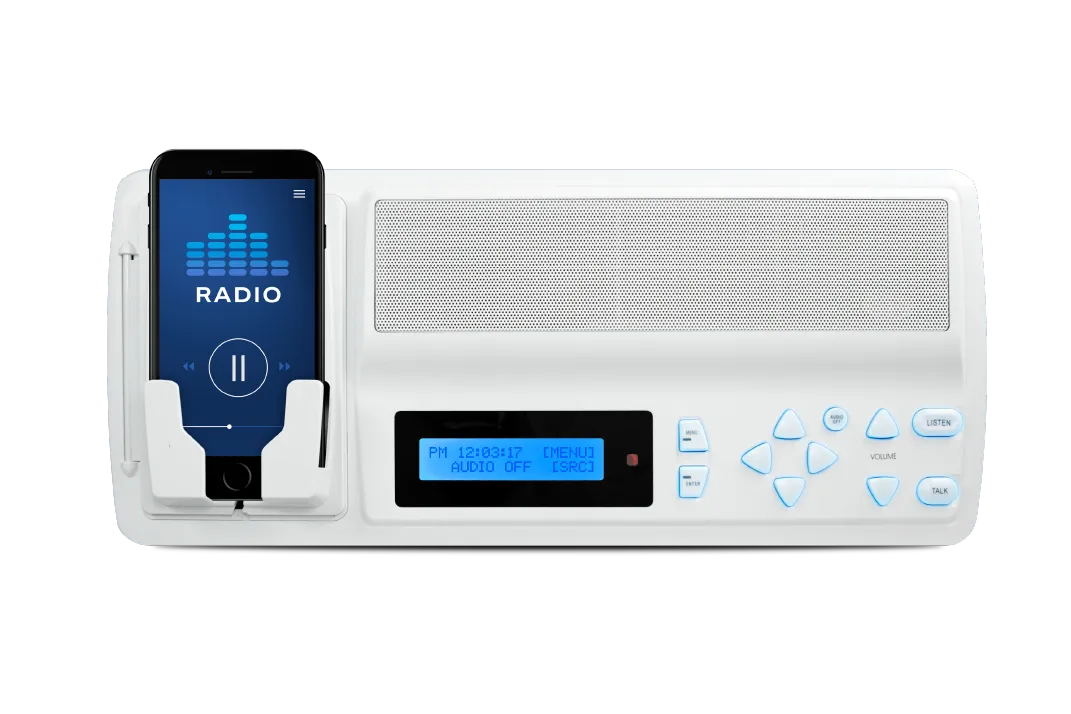
Home communication has changed as technology has become a regular part of modern living. A whole home intercom system can help family members communicate between rooms without calling out or using a phone. It can make daily communication easier while also supporting visitor screening, convenience, and better awareness throughout the home. With the right setup, homeowners can connect different areas of the house through a simple and organized communication solution.
Why Does Home Communication Matters?
Large homes can make communication difficult. A person in the kitchen may need to contact someone upstairs, or a parent may want to check on a child in another room. Walking from one room to another every time can become inconvenient. An intercom provides a direct way to communicate between connected areas.
This type of system can also be useful when family members have different schedules. Instead of sending a text or making a phone call for simple questions, they can communicate directly through the intercom. This can be especially helpful for older adults, children, or anyone who may not always have a phone nearby.
Supporting Everyday Convenience
Modern intercom systems can provide more than basic room-to-room communication. Depending on the system, homeowners may be able to communicate with multiple rooms, answer calls from an entry point, or monitor activity near the front door.
A whole home intercom system can also help organize communication across several areas of the house. Instead of relying on separate communication devices, one connected setup can provide access to communication where it is needed. This can reduce unnecessary movement around the home and make routine tasks easier.
For households with multiple floors, dedicated communication points can be particularly useful. Family members can communicate from bedrooms, kitchens, living spaces, offices, or other connected rooms without raising their voices.
Improving Entry Communication
Home communication can also play a role at the entrance. An intercom connected to an entry station allows homeowners to communicate with visitors before opening the door. This gives residents an opportunity to ask who is there and understand the purpose of the visit.
Some modern systems may include video features, allowing homeowners to see visitors as well as speak with them. This can add another layer of convenience for everyday deliveries, guests, service workers, and other visitors.
When choosing an entry communication system, homeowners should consider where the entry station will be installed and which rooms need access to it. Clear audio and easy controls are important because the system should be simple to use when someone is at the door.
Key Point
Choose a system based on your home's layout, the number of rooms that need communication, and the features your household will actually use. A practical setup is usually easier to manage than one filled with features that are rarely needed.
Planning the Right System
Before installing an intercom, homeowners should consider the size and layout of the house. A small home may only need communication between a few important areas, while a larger property may require several stations.
Existing wiring can also be an important consideration, especially when replacing an older intercom system. In some homes, existing communication wiring may help simplify an upgrade. However, the condition and compatibility of the wiring should be checked before selecting new equipment.
Homeowners should also think about controls and usability. Buttons, screens, speakers, and other controls should be placed where family members can easily reach and understand them. Simple operation is important for children, older adults, and guests who may not be familiar with the system.
Combining Communication With Modern Features
Technology has made home intercom systems more flexible. Depending on the model, features can include room-to-room communication, door communication, video monitoring, hands-free operation, and other convenient functions.
The goal should be to choose features that solve real communication needs. A system that is easy to use and properly matched to the home can provide more value than one selected only because it has a long list of features.
For homeowners planning an upgrade, Intrasonic Technology provides communication solutions designed for different home environments. Reviewing the home's layout, communication needs, and available installation options can help create a setup that works well for everyday use. Improve communication throughout your home with a system designed around your daily needs.
Frequently Asked Questions
1. What is a home intercom system used for?
A home intercom system allows people in different areas of a house to communicate directly. It can also support communication with visitors at an entry point, depending on the system.
2. Can an intercom system work in multiple rooms?
Yes. Systems can be designed to connect multiple rooms. The number of stations needed depends on the home's size, layout, and communication requirements.
3. Can an older intercom system be upgraded?
In some cases, an older system can be replaced or upgraded while making use of existing wiring. The wiring and equipment should be evaluated for compatibility before installation.
4. Are home intercom systems useful for large houses?
They can be especially useful in larger homes because they provide direct communication between rooms and floors without requiring family members to walk throughout the house.
5. What should I consider before choosing an intercom system?
Consider the number of rooms, entry communication needs, wiring, installation requirements, controls, and features that your household will actually use.







Top comments (0)