

You don’t realize how much mental space food takes until you’re deciding what to eat for the third time in one day. It starts small, maybe skipping a proper breakfast or grabbing whatever is quick, then by evening, you’re either too tired to cook or too frustrated to think. Over time, it stops being about food and turns into a daily loop of decisions you didn’t plan for.
This is where a lot of people start looking for easier ways to stay consistent without having to rethink every meal. The idea behind a healthy meal delivery service didn’t come out of convenience alone; it came from this exact problem of decision fatigue and lack of time.
Why do everyday eating decisions feel heavier than they should
On paper, eating healthy looks simple. You plan meals, buy groceries, cook, repeat. In real life, it doesn’t move like that.
Every day comes with its own interruptions. Work runs late. Energy drops. Plans change. Suddenly, the meal you planned doesn’t fit anymore. Then you’re back to figuring things out again.
The real issue isn’t lack of knowledge. Most people already know what they should eat. The problem is having to make that decision again and again with limited time. That repetition is what makes it feel heavy.
Why consistency breaks even when you’re trying
A lot of people start strong. They plan for the week, buy everything they need, and maybe even prep a few meals. It works for a few days.
Then something small shifts.
A late meeting, an outing, or even just feeling tired one day. That one break makes it harder to get back on track. Not because it’s impossible, but because the system wasn’t flexible enough to handle real life.
Consistency doesn’t break because people don’t care. It breaks because the routine depends too much on everything going perfectly.
Why having a backup plan changes everything
Some days just don’t go as expected. You might plan everything right and still end up with no time or energy to cook. That’s where most routines fall apart. Having a backup, even something simple, keeps things from slipping completely.
It could be a ready meal, a repeated option, or something you don’t have to think about twice. The goal isn’t to stay perfect, it’s to avoid starting over every time something small goes off track.
Where meal delivery fits into real life
For some people, the solution isn’t cooking more. It’s deciding less.
Meal delivery fits in as a way to remove a few of those daily decisions. Not for every meal, not every day, but enough to make things easier. Instead of figuring out what to cook, the focus shifts to just eating what’s already planned.
Places like IPOT come into the picture in a quiet way. People call them when they know the week is going to be busy or when they don’t want to fall back into random eating habits. It’s less about replacing cooking and more about supporting consistency when things get messy.
What usually goes wrong when people try to eat better
Most mistakes aren’t obvious at the start.
Planning too many meals at once
Buying ingredients without a clear plan
Expecting motivation to stay the same every day
Eating the same kind of food until it gets boring
All of this builds up slowly. Then one day it just feels easier to stop trying than to keep adjusting.
Another thing people don’t notice is how much pressure they put on themselves to do it perfectly. That pressure makes even small slips feel like failure.
Practical Ways to Make Eating Healthy Easier
Eating healthy doesn’t require a complete lifestyle overhaul. In fact, trying to change everything at once usually backfires. A more realistic approach is to simplify your routine and build habits that are easy to maintain over time.
Start by limiting your meal decisions instead of keeping them open-ended. Too many choices often lead to unhealthy or last-minute options. Sticking to a small rotation of meals you already enjoy can make a big difference. You don’t need constant variety—just consistency.
It also helps to plan for a realistic week, not a perfect one. Some days will be busy, and motivation won’t always be there. Leaving room for flexibility—like quick meals or leftovers—keeps you on track without added pressure.
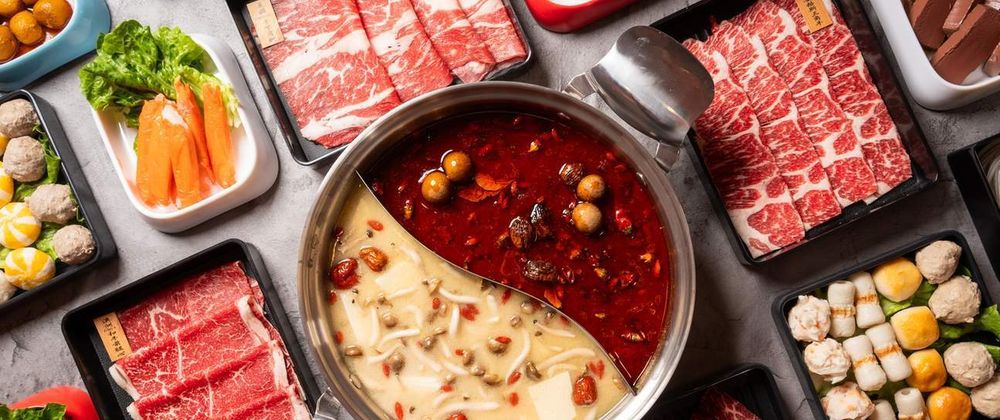
Even when dining out, balance matters. Enjoying experiences like all you can eat hot pot san francisco can still fit into a healthy lifestyle when approached mindfully, such as focusing on lean proteins, vegetables, and portion awareness.
This is where tools like a healthy meal delivery service in the USA can be useful. Not as a complete solution, but as a practical way to stay consistent on days when cooking feels like too much effort.
A mix of simple home-cooked meals, occasional dining out, and a bit of outside support often works better than trying to do everything perfectly on your own.
Conclusion
Eating healthy isn’t as complicated as it feels. What makes it difficult is the constant effort behind it. The decisions, the planning, the adjustments every single day.
Once that mental load reduces, things start to feel manageable again. It stops being something you have to think about all the time.
And that’s usually what people are actually looking for. Not a perfect system, just something they can keep up with without feeling drained.






Top comments (0)