

When architects and builders look for a roofing solution that combines clean aesthetics, durability, and design flexibility, standing seam metal roofing is often an excellent choice. Its concealed fixing system and distinctive raised seams create a streamlined appearance that works well across contemporary homes, commercial buildings, and architectural projects.
Roofing Group specialises in architectural roofing and cladding solutions, offering standing seam systems in materials including zinc, copper, aluminium, COLORBOND®, Corten, and stainless steel. These options allow architects and designers to select a finish and material that complements the overall character of a building.
What Is Standing Seam Roofing?
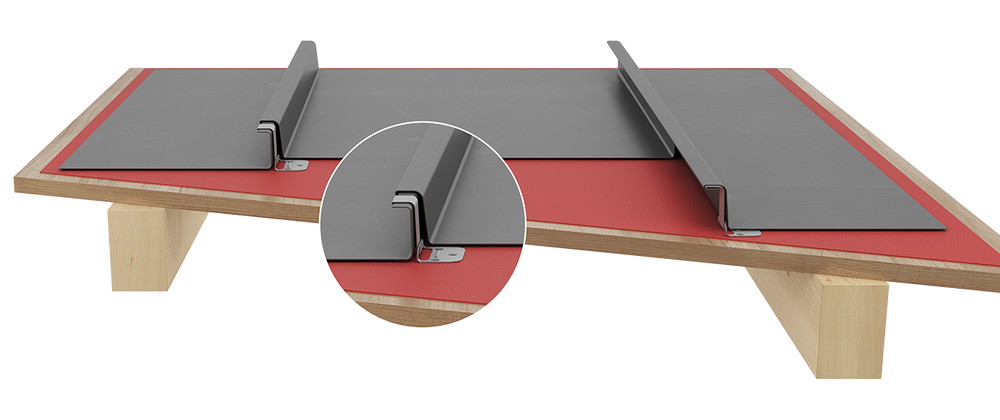
Standing seam is a flat-tray roofing and cladding system featuring raised seams that connect individual metal panels. Unlike traditional roofing systems with exposed fasteners, standing seam panels use concealed stainless-steel clips. These clips are designed to accommodate the natural expansion and contraction of metal panels as temperatures change.
This concealed fixing approach contributes to the clean, uninterrupted appearance that makes standing seam popular for modern architectural projects.
The system can be used for both roofing and wall cladding. Double-lock standing seam is commonly used for roofing applications, while single-lock standing seam can be used for wall cladding in vertical, horizontal, or diagonal configurations.
Why Choose Standing Seam Metal Roofing?
1. A Clean Architectural Appearance
One of the biggest advantages of standing seam is its minimalist appearance. The raised seams create strong visual lines across the roof or façade, helping designers achieve a refined architectural aesthetic.
Depending on the project requirements, panels can be customised in different widths and directions. This provides greater control over the final appearance and allows the roofing system to become an important part of the building's overall design.
2. Flexible Design Options
Architectural projects rarely follow simple rectangular designs. Standing seam systems can accommodate a wide range of design requirements, including tapered panels, curved forms, convex and concave shapes, and different panel directions.
This flexibility makes standing seam suitable for projects where conventional roofing products may not provide the desired visual effect.
For architects exploring alternative architectural roofing systems, Roofing Group also provides solutions such as Interlocking Panels, Flat-lock Panels, and Batten Seam.
3. Concealed Fixings
Standing seam systems use concealed clips rather than exposed fasteners across the visible surface of the panels. The clips can include fixed and sliding configurations to accommodate expansion and contraction.
This approach helps maintain the clean appearance of the roof while supporting the technical requirements of metal roofing systems.
4. Multiple Material Choices
Different architectural projects require different material characteristics and visual finishes. Standing seam can be produced using a variety of metals, including zinc, copper, aluminium, COLORBOND®, and Corten.
Zinc can develop a natural protective patina over time, while copper changes appearance as it weathers. Aluminium provides a lightweight option, and COLORBOND® offers a broad range of architectural colour choices.
Corten, also known as weathering steel, can develop a distinctive rust-like appearance that is often selected for projects seeking an industrial or natural aesthetic.
5. Suitable for Roofs and Wall Cladding
A major benefit of standing seam is its ability to connect roofing and façade design. Double-lock systems can be used for roofing, while single-lock systems can be used for wall cladding.
This creates opportunities for architects to develop a continuous visual language between the roof and external walls.
For projects requiring other specialised roofing styles, you can also explore Roofing Group's Cassette roofing and cladding systems, Shingles, and Snaplock/Astro systems.
Standing Seam for Australian Architectural Projects
Australian buildings need roofing and cladding systems that can perform in demanding environmental conditions while also meeting architectural expectations. Material selection, installation detailing, ventilation, substrate requirements, and appropriate design are all important considerations.
Roofing Group works with architects during the design stage to help develop suitable roofing and cladding details. This collaborative approach can be particularly valuable for projects involving complex geometries, penetrations, long panels, or transitions between roofing and wall cladding.
For roofing applications, Roofing Group's standing seam system requires a minimum 3-degree pitch, while project-specific substrate and underlay requirements should be considered during design and specification.
Choosing the Right Metal for Your Project
The best material for a standing seam project depends on the building's location, design intent, environmental conditions, and budget.
Zinc may suit projects looking for a natural evolving appearance. Copper is often selected for its distinctive ageing process and long service life. Aluminium provides another lightweight architectural option, while COLORBOND® offers familiar Australian colour choices. Corten can be appropriate when a weathered architectural appearance is desired.
Working with an experienced architectural roofing specialist can help ensure the selected material is appropriate for the project's requirements.
Final Thoughts
Standing seam metal roofing offers a combination of architectural flexibility, concealed fixings, material variety, and clean contemporary design. Its ability to work across roofs and façades makes it a versatile option for residential, commercial, and architectural projects.
If you are planning a new roofing or cladding project and want to explore the possibilities of standing seam, visit the Roofing Group Standing Seam product page to learn more about available materials, technical specifications, and design options.
You can also explore Roofing Group's full range of architectural roofing and cladding products to compare alternative systems for your project.







Top comments (0)