
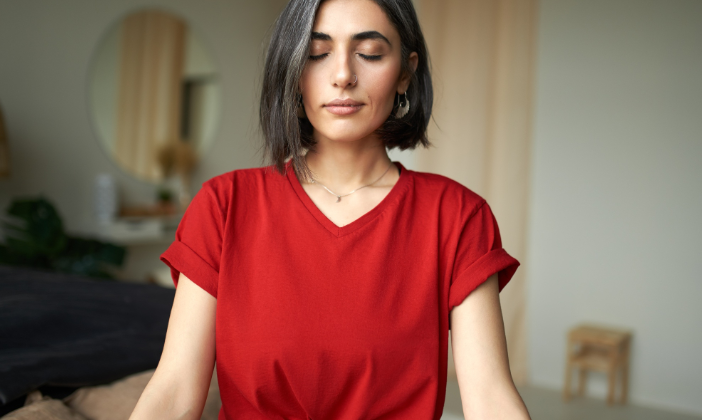

Anxiety can affect the way we think, sleep, work, and interact with others. One simple way to support relaxation is through controlled breathing. When stress increases, breathing may become faster and shallower. Deliberately slowing the breath can encourage a more relaxed state and help create a sense of control.
Breathing exercises for anxiety are easy to practice because they generally require no special equipment. You can use them while sitting at home, during a work break, or before going to sleep. The goal is not to force the breath but to make it slower, smoother, and more comfortable.
Understanding Anxiety and Breathing
Anxiety can activate the body's stress response. This may lead to rapid breathing, muscle tension, a racing heart, and difficulty concentrating. Paying attention to the breath can provide a practical way to interrupt this cycle.
Many anxiety breathing exercises focus on gentle inhalation and longer, controlled exhalation. For example, you might inhale comfortably through your nose for four seconds and exhale slowly for six seconds. There is no need to take extremely deep breaths. Comfort and consistency are more important.
Why Controlled Breathing Can Be Helpful
One benefit of breathing exercises for anxiety is that they can be practiced almost anywhere. Unlike some relaxation methods, breathing does not require a large amount of space or special equipment.
Another advantage is that breathing exercises encourage mindfulness. Instead of focusing on worrying thoughts, you concentrate on the physical sensation of inhaling and exhaling.
With regular practice, anxiety breathing exercises can become part of a daily relaxation routine. You might practice for five minutes in the morning, during an afternoon break, or before bedtime.
A Simple Breathing Routine
Start by sitting comfortably with your shoulders relaxed. Breathe in gently through your nose. Avoid filling your lungs beyond what feels comfortable. Then breathe out slowly and allow your body to relax.
Repeat this process for several minutes. If your mind wanders, simply return your attention to your breathing.
You can also try counting each breath. For example, inhale for four counts, pause briefly if comfortable, and exhale for six counts. If holding your breath feels uncomfortable, skip the pause.
Making Breathing Practice a Habit
Consistency can make relaxation techniques easier to use when stress appears. Instead of waiting until anxiety becomes overwhelming, practice breathing exercises for anxiety when you are already relatively calm.
A regular routine can help you become familiar with the sensations of slow breathing. Over time, you may find it easier to remember your technique during stressful situations.
The most important point is to keep the practice gentle. Anxiety breathing exercises should never leave you feeling dizzy, uncomfortable, or short of breath. If that happens, return to your normal breathing and stop the exercise.






Top comments (0)