

Do you remember the last time your vehicle made an awful grating sound while traveling on the freeway? You didn't call directory assistance, or search for an announcement. You simply went to the side of the road, took out your phone, and quickly searched for a local garage with highly rated reviews. This super urgent, high-intent situation is when today's garage either defeats the opposition or is defeated.
The days of relying solely on drive-by traffic and word-of-mouth are over. Today, running a successful garage requires a multi-layered approach. You need to dominate local search to keep your service bays full, but forward-thinking shop owners are also realizing that physical repairs are only one revenue stream. By the end of this article, you will learn the most effective local marketing tactics to attract drivers in your area, and we will explore how ambitious auto brands are taking their business national by selling parts and merchandise online.
Phase One: Filling the Service Bays
When it comes to local service, trust and visibility are your two most valuable assets. Your digital presence needs to intercept a customer exactly when their vehicle breaks down.
Mastering the Local Search Ecosystem
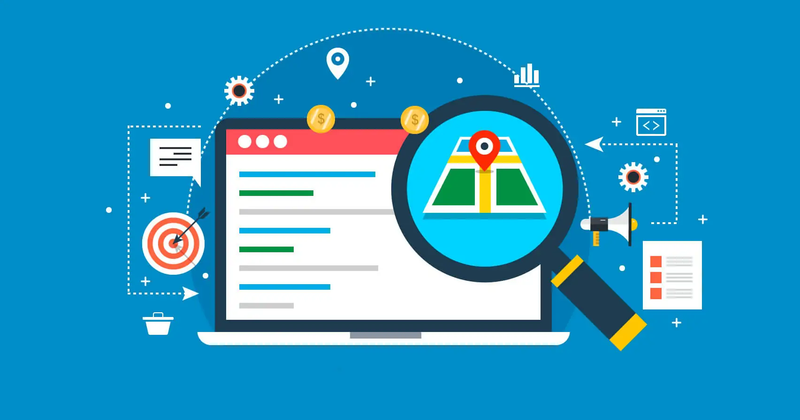
Effective auto repair shop marketing strategies start with dominating the "near me" search. When a driver searches for "brake repair near me," Google isn't just looking at who has the best website; it’s looking at proximity, relevance, and trust. Claiming and aggressively updating your Google Business Profile is non-negotiable. You need to ensure your hours are accurate, your services are clearly listed, and your location is pinned correctly.
But visibility is only half the battle. Authentic auto repair marketing relies heavily on social proof. An establishment given a composite score of 4.8 stars based on 300 reviews will capture sales away from an establishment that received a 3.2 star rating, regardless of if it’s closer or cheaper. Provide satisfied customers with an automated text message prompt to remind them to submit a review once they’ve picked up their keys. This allows your business to create a local barrier preventing competitors from being able to compete with you.
Education Over Intimidation
The biggest hurdle in auto repair shop marketing is consumer skepticism. People are terrified of being ripped off by a mechanic. You can break down this barrier by using your website and social media to educate rather than aggressively sell. Post short, raw videos showing your mechanics explaining why a certain part failed, or write clear, jargon-free blog posts about routine maintenance. When you position your shop as an honest educator, you instantly become the go-to authority in your zip code.
Phase Two: Scaling Beyond the Garage
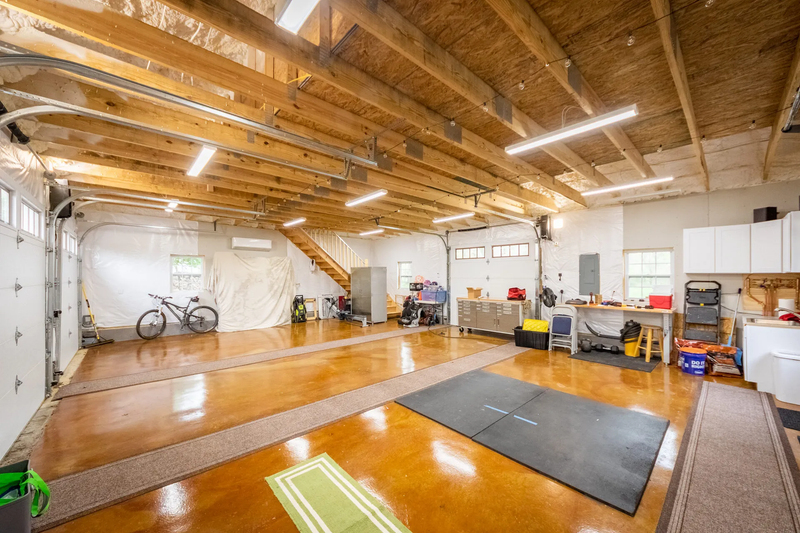
So, what happens when your local marketing is dialed in, your service bays are booked out for three weeks, and you physically cannot fit another car into your schedule? You pivot to e-commerce.
Many of the most successful independent garages today have evolved into hybrid businesses. They service cars locally, but they sell performance parts, custom maintenance kits, branded apparel, or specialized tools nationally. This is where your growth strategy shifts from local SEO to high-level digital commerce.
The E-commerce Pivot
When an auto brand decides to sell heavy, complex parts or manage a massive inventory of SKUs, a basic out-of-the-box website simply will not survive the strain. This is why scaling garages often partner with a specialized shopify plus development agency.
Selling automotive parts online is notoriously difficult. You have to deal with year/make/model fitment databases, complex shipping rules for heavy items like exhaust systems or engine blocks, and wholesale pricing for B2B customers. Advanced shopify plus development allows a brand to integrate these massive databases seamlessly so a customer never accidentally buys a part that doesn't fit their vehicle.
Furthermore, executing a flawless shopify plus store development project ensures your site remains lightning-fast even during high-traffic promotional periods. An expert agency will customize the checkout experience, set up automated abandoned cart emails for high-ticket parts, and integrate your online inventory directly with your physical shop's management software. It bridges the gap between the grease on the shop floor and a clean, high-converting digital storefront.
The Realities of Expansion: Pros, Cons, and Common Questions
Expanding your business model from a local garage to a national e-commerce player is exciting, but it comes with real challenges. Before you dive in, it helps to weigh the realities of this dual approach.
The Pros: The absolute biggest advantage is diversified revenue. If a harsh winter keeps people off the roads and slows down your physical repair business, your online parts sales can keep the cash flowing. Additionally, e-commerce breaks the geographical ceiling of your business. You are no longer limited to the customers living within a twenty-mile radius of your physical location.
The Cons: Running two different business models under one roof is operationally heavy. You are essentially managing a local service team and a nationwide fulfillment center at the same time. Investing in enterprise-level software and agency partnerships is also a significant upfront financial commitment that requires careful cash flow management.
Frequently Asked Questions:
Where should a new shop focus its budget first?
Always start local. Do not worry about selling parts online until your physical service bays are consistently full. Use local SEO and reputation management to build your cash reserves and establish brand authority first.
Why do auto brands need specialized developers instead of standard themes?
Automotive e-commerce requires incredibly specific filtering. If a customer is looking for brake pads, the site must filter by their exact vehicle specifications. Standard templates break under this level of conditional logic, which is why bringing in an agency for advanced development is critical to prevent a frustrating user experience and costly product returns.
Conclusion
The automotive repair industry is evolving faster than ever. While the core of the business will always be fixing vehicles, the way you attract and retain customers has changed permanently.
By implementing highly targeted local search tactics and prioritizing customer trust, you can secure your regional market and keep your schedule full. And once you have mastered the local game, the ceiling for your business is virtually limitless. By partnering with the right technical experts to launch a robust e-commerce platform, your local garage can transform into a nationally recognized automotive brand. The tools to scale are all available; it just comes down to how aggressively you want to drive your business forward.






Top comments (0)