
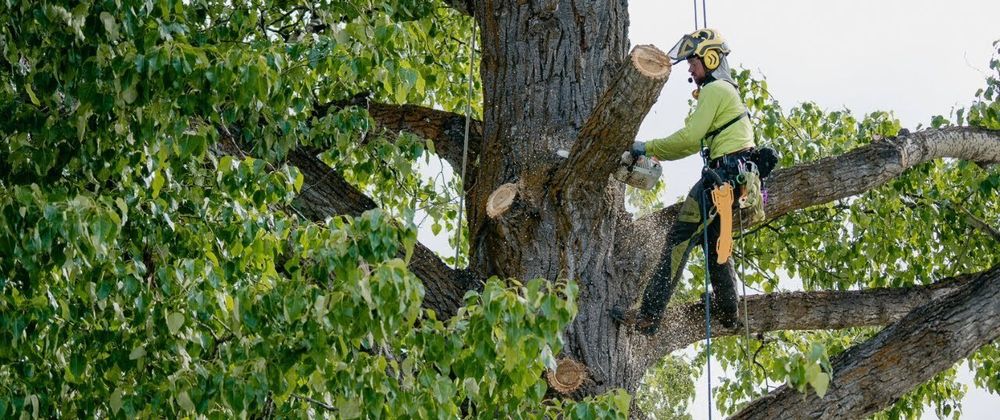

Tree removal isn't a decision most homeowners take lightly. Trees add shade, character, and value to a property, so the idea of taking one down can feel like a loss. But sometimes it's the right call, and waiting too long can turn a manageable job into a costly emergency.
Knowing when to remove a tree comes down to reading the signs early and understanding the risks of holding off. The timing matters more than most people realize, both for safety and for what you'll end up spending.
Why Timing Matters for Tree Removal
A tree that needs to come down doesn't get better with time. It gets worse. Decay spreads, root damage deepens, and structural weakness becomes more unpredictable with every passing season.
From a cost standpoint, removing a tree on your own schedule is almost always cheaper than dealing with one that's fallen on your roof or fence. Emergency work costs more, takes longer to schedule, and often involves additional repairs to whatever the tree landed on.
Weather plays a role too. In areas like Julington Creek and Murray Hill, storm season puts already weakened trees under serious stress. A tree that looked stable in spring can become a real hazard by the time heavy winds arrive in summer.
Clear Signs It's Time to Remove a Tree
Dead or Decaying Tree
A dead tree is one of the clearest signs that removal is necessary. No leaves during growing season, brittle branches that snap easily, and bark that's peeling away in large sections all point to a tree that's no longer structurally sound.
Decay can be hard to spot from the outside, but soft wood at the base, fungal growth, and hollow sections are all signs the tree is breaking down from the inside. It won't hold up in a storm.
Large Cracks or Hollow Trunk
Visible cracks running through the trunk or major branches are a serious warning sign. A hollow trunk means the core of the tree, which is what gives it strength, is gone. These trees can fall with very little force.
Tree Leaning Dangerously
Some trees grow with a natural lean and are perfectly stable. But a tree that has suddenly started leaning, especially after rain or wind, usually means the root system has shifted or failed. That kind of instability needs to be assessed immediately.
Roots Damaging Your Foundation
When roots start cracking your driveway, lifting your sidewalk, or working their way under your foundation, the tree is causing damage that only gets worse over time. At that point, trimming isn't going to solve the problem.
Repeated Storm Damage
If the same tree loses major branches every time a storm passes through, that's a pattern worth paying attention to. It usually means the tree's structure is compromised, and it's only a matter of time before something bigger comes down.
When you're seeing any of these signs, it's time to seriously consider whether to remove the tree before it makes the decision for you.
Tree Removal vs. Tree Rescue
Removal isn't always the first option. In some cases, tree rescue is worth attempting before making the call to take a tree down.
If the damage is limited to a few branches, if a disease has been caught early, or if a storm has partially uprooted a younger tree, a professional may be able to stabilize and treat it. Saving a mature tree that's still structurally sound is often worth the effort.
But when the trunk is hollow, the roots are severely damaged, or the tree poses an immediate risk to your home or anyone nearby, removal is the safer choice. A professional assessment takes the guesswork out of it and gives you a clear picture of what you're actually dealing with.
Best Time of Year for Tree Removal
Late fall and winter are generally the best time to schedule tree removal. Trees are dormant, which means less sap and easier handling. The ground is also firmer in many areas, which makes it easier for crews to access your yard without tearing up the lawn.
That said, tree removal doesn't follow a strict seasonal schedule. If a tree is dangerous, it needs to come down regardless of the time of year. Emergency situations don't wait for the right season.
Storm-prone months are when most urgent removals happen. If you live in an area that sees heavy weather, getting ahead of it with an inspection before the season starts is a smart move.
Supporting Services That Complete the Job
Trim Tree Before Deciding on Removal
Before committing to full removal, it's worth having a professional trim the tree first. Sometimes what looks like a major problem is actually a matter of removing a few large, compromised branches. Trimming can relieve weight, improve structure, and buy the tree more time.
Stump Grinding After Tree Removal
Once a tree comes down, the stump left behind needs to be dealt with. It attracts pests, causes tripping hazards, and continues to affect the soil as it decays. Stump grinding removes it cleanly and leaves your yard flat and ready to use.
Wood Chipping for Debris Management
Tree removal generates a lot of material. Wood chipping processes the branches and debris into mulch that can be reused in garden beds or around your yard. It's a clean, practical way to handle the waste without hauling everything to a landfill.
Emergency Clean Up When Immediate Removal Is Needed
When a tree comes down in a storm or splits suddenly, emergency clean up is the priority. Getting the debris cleared quickly prevents further damage, keeps access open, and reduces the risk of additional hazards from sitting wood and branches.
Risks of Delaying Tree Removal
Putting off a removal that needs to happen creates real problems. A weakened tree can fall on your home, car, fence, or a person, and the liability that comes with that is significant.
Property damage from a fallen tree is expensive to repair. Roofs, fences, and landscaping all take the hit, and homeowner's insurance doesn't always cover damage from a tree you knew was compromised.
Benefits of Hiring Professional Tree Services
Tree removal isn't a DIY job, especially for anything large or close to a structure. The risks are real, and without the right equipment and training, things can go wrong quickly.
Professional tree services handle the job safely, efficiently, and with the experience to manage unexpected situations. They also take care of everything from start to finish, including cleanup, so you're not left dealing with the aftermath.
For homeowners in Murray Hill and Julington Creek, working with a local service means you're getting someone who knows the area, understands local tree species, and has experience with the specific weather conditions that affect your property.
Conclusion
Timing is everything when it comes to tree removal. Waiting too long turns a manageable situation into an expensive or dangerous one. The signs are usually there well in advance, and acting on them early is almost always the smarter move.
If you're unsure whether a tree on your property needs to come down, a professional inspection is the best place to start. It gives you the information you need to make a confident decision before the tree makes it for you.
The longer you wait, the more the tree deteriorates, which can also make the removal itself more complicated and costly. What's a straightforward job today can become a much harder one in six months.
Benefits of Hiring Professional Tree Services
Tree removal isn't a DIY job, especially for anything large or close to a structure. The risks are real, and without the right equipment and training, things can go wrong quickly.
Professional tree services handle the job safely, efficiently, and with the experience to manage unexpected situations. They also take care of everything from start to finish, including cleanup, so you're not left dealing with the aftermath.
For homeowners in Murray Hill and Julington Creek, working with a local service means you're getting someone who knows the area, understands local tree species, and has experience with the specific weather conditions that affect your property.
Conclusion
Timing is everything when it comes to tree removal. Waiting too long turns a manageable situation into an expensive or dangerous one. The signs are usually there well in advance, and acting on them early is almost always the smarter move.
If you're unsure whether a tree on your property needs to come down, a professional inspection is the best place to start. It gives you the information you need to make a confident decision before the tree makes it for you.







Top comments (0)