
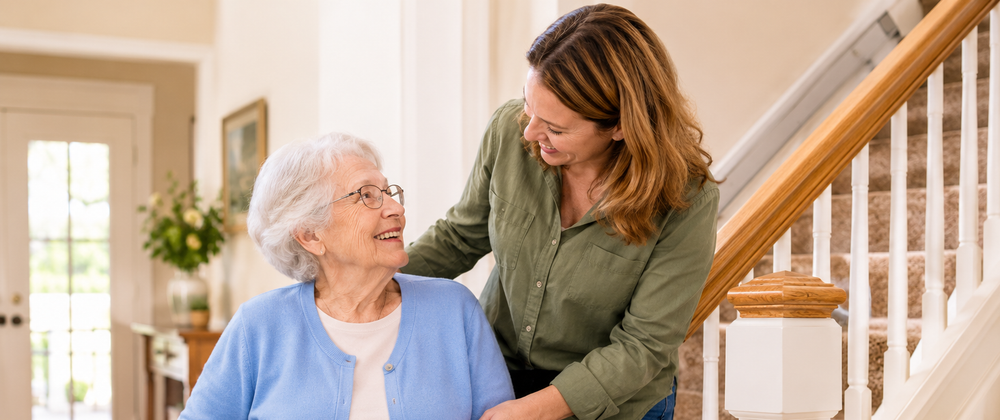

When a loved one comes home from the hospital or needs regular care, a home health aide or visiting nurse often steps in. These professionals carry bags, equipment, and sometimes patients, so the path into the house matters a lot. A cluttered porch or a steep staircase can slow care and raise the risk of falls. If you are planning for in-home support, thinking about chair lifts for stairs and other access upgrades early can save time and worry.
This guide shows you how to prepare entrances and stairs so caregivers can work safely and your family member can move comfortably.
Why the Entrance Sets the Tone
The first thing a caregiver sees is your front entry. If it is dark, slippery, or blocked, the visit starts with a struggle. Aides often arrive with supplies, a medical bag, and sometimes a portable device. They need a clear, steady path.
A safe entry also protects the patient. Many people recovering from surgery or illness use walkers, canes, or wheelchairs. One loose step or uneven threshold can cause a fall that undoes weeks of healing.
Preparing the entrance is not about perfection. It is about removing the obvious hazards and making sure everyone can get in and out without stress.
Walk the Path Like a Caregiver
Start outside and move toward the door as if you were carrying a heavy bag. Look at each part of the route and ask simple questions.
- Is the walkway flat and free of cracks?
- Are the steps even, and is the handrail firm?
- Is there enough light to see at night?
- Can the door open fully without hitting anything?
- Is there a place to set down a bag while unlocking?
Fix what you can quickly. Trim shrubs that crowd the path. Fill small cracks or mark them clearly. Secure loose mats with non-slip backing, or remove them altogether.
Add a solid handrail on both sides of the steps if you can. Bright tape on the edges of each step helps with depth perception. A motion sensor light by the door is cheap and very helpful.
Handle Keys, Access, and Communication
Caregivers need a simple way to get in. If the patient cannot answer the door quickly, a lockbox with a code or a smart lock can help. Share the code only with the care agency and trusted family members.
Label the house number clearly so nurses and aides can find you at night or in poor weather. Keep the porch clear of packages and clutter.
Make a short note listing key contacts, allergies, and house rules, and keep it in a visible spot indoors. It helps new staff settle in and keeps care consistent when different people visit.
Make Stairs Safer First
Stairs are one of the biggest risks in a home care setting. Aides help patients up and down, and a bad step can hurt both of them. Start with the basics. Clear everything off the stairs and repair worn treads. Add non-slip strips or secure carpet. Install handrails on both sides when possible.
Lighting matters here too. Put switches at the top and bottom of the staircase. Use bright bulbs and avoid shadows on the steps.
If climbing is already hard, think about moving daily activities to one floor. A bed, a bathroom, and a seating area on the main level can reduce stair trips. That is a short-term fix, though, and some homes simply do not have the space.
When a Stairlift Makes Sense
For many families, a stairlift is the practical answer. It lets the patient reach bedrooms and bathrooms without lifting, leaning, or risky carrying. It also protects caregivers from back strain.
Installation is often quicker than people expect. A straight staircase can be fitted in a few hours. Curved stairs take a bit longer because the rail is custom made. Ask your installer to work around the care schedule so visits are not interrupted.
Many seniors prefer to stay in their own homes, and a lift helps make that possible. To see how this works in real life, read this article on how stair lifts help seniors age in place comfortably. It shows how one device can change daily routines and confidence.
Tell the home health agency about the lift. Nurses and aides should know how to operate it and how to stop it in an emergency. A short demo on the first visit prevents mistakes.
Look Beyond the Stairs and Door
Entrances and stairs are only part of the picture. Care often involves the bathroom, where most accidents happen. Consider bathroom modification for disabled family members, such as grab bars, a shower seat, a handheld showerhead, and a raised toilet seat. These changes let aides assist safely and let the patient keep some privacy.
Check doorways too. A wheelchair or walker needs about thirty-two inches of clear width. If a door is too narrow, swing-clear hinges can gain a few inches without a major project.
Keep the main living area open. Move extra furniture, cords, and rugs out of walking paths. Leave enough space for a nurse to work on both sides of a bed.
Think about storage as well. Aides often need gloves, wipes, linens, and medical supplies close by. A small cart or shelf near the bed keeps items tidy and reachable.
Get Help With Planning
You do not have to figure all of this out alone. Many home health agencies offer a home safety assessment, and an occupational therapist can suggest changes tailored to your family member. Ask your doctor or agency who to call.
Set a budget and a timeline, and tackle the highest risks first. Entrances and stairs usually come before cosmetic upgrades. Look into local programs, insurance coverage, and nonprofit groups that help with home modifications.
Talk openly with the care team. They see many homes and often have practical ideas you would never think of. Their feedback can save money and prevent injuries.
A well prepared home makes care easier for everyone. Walk the path, clear the clutter, light the way, and decide whether a stairlift fits your needs. Begin with the front entry this week, then move to the stairs and bathroom. Small steps today lead to safer, calmer days when care begins.







Top comments (0)