
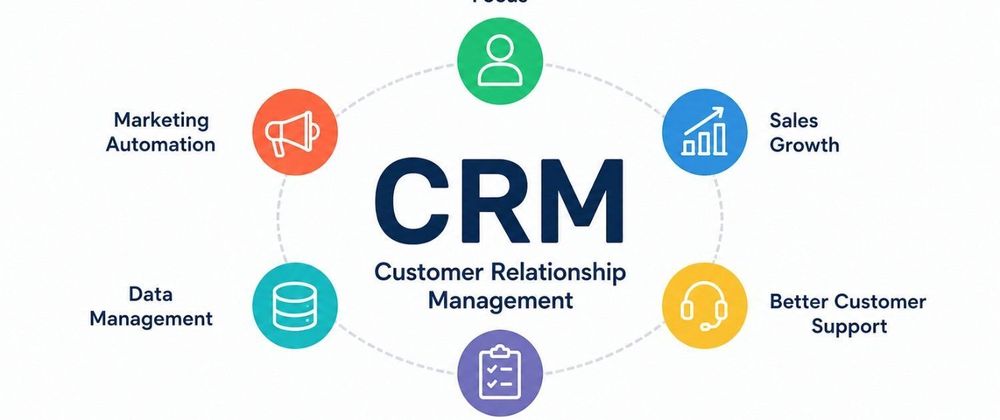

Customer communication has changed dramatically over the years—and customer patience has changed even faster. Businesses are now expected to reply quickly, accurately, and consistently across every platform imaginable. One delayed email or one confusing support response can turn a loyal customer into someone browsing competitors before lunch. That is where CRM development quietly becomes the hero behind the scenes. A properly designed CRM system helps businesses organize interactions, automate workflows, and maintain consistent communication without making teams feel like exhausted air-traffic controllers juggling spreadsheets, sticky notes, and endless email chains.
Why Customer Response Consistency Matters More Than Ever
Modern customers do not simply want responses; they expect meaningful responses delivered at record speed. A customer receiving three different answers from three employees rarely inspires confidence. In fact, it usually inspires frustration—and perhaps a strongly worded review somewhere online. Consistency helps businesses build trust, credibility, and long-term loyalty. When communication stays aligned, customers feel valued instead of confused. Many organizations still rely on disconnected tools and manual tracking methods, which explains why support teams sometimes resemble detectives solving mysteries rather than professionals efficiently and calmly addressing customer concerns.
One Dashboard for Every Customer Interaction
A CRM system centralizes customer conversations into one organized dashboard, allowing teams to access emails, chats, purchase history, inquiries, and support records instantly. Instead of searching through endless inbox folders or asking coworkers, “Did someone already respond to this client?” employees can see everything in one place. That visibility creates smoother communication and reduces duplicate responses. Customers appreciate businesses that remember previous conversations because repeating the same issue multiple times tends to test everyone’s patience. Centralized information also improves accountability since every interaction becomes visible, trackable, and easier to manage across departments.
Reduced Human Errors During Communication
Human memory is impressive right up until Monday morning meetings begin. CRM development reduces communication mistakes by automatically storing customer details, preferences, and interaction history. Employees no longer need to rely on handwritten notes, scattered spreadsheets, or vague recollections from last week’s phone call. This significantly improves response accuracy and consistency. Businesses can maintain professional communication standards without sounding robotic or repetitive. Even better, CRM systems reduce situations where customers receive conflicting updates from multiple departments. Guesswork may work during trivia nights, but it rarely works well in customer service environments where clarity matters tremendously.
Smart Response Triggers
Automation plays a major role in maintaining customer response consistency. CRM systems can trigger automatic confirmations, follow-ups, reminders, and status updates without requiring constant manual effort. Customers receive timely communication while teams focus on solving more complex issues. Automated workflows also help businesses maintain consistent tone and messaging across departments. Nobody enjoys waiting days for a simple acknowledgment email while wondering if their inquiry disappeared into another digital black hole. Smart response triggers ensure communication continues smoothly, helping businesses appear organized, attentive, and reliable—even during busy periods when customer inquiries arrive faster than expected.
Task Assignments Improve Accountability
Customer inquiries often get ignored when responsibilities are unclear. CRM development solves this problem by automatically assigning tasks, leads, or support tickets to the appropriate employees. Everyone knows who handles what, reducing delays and improving workflow transparency. Managers can track progress while customers receive faster updates and resolutions. Businesses also avoid the classic “Someone else was supposed to respond” situation, which rarely impresses frustrated customers. Automated assignment systems create accountability across departments and ensure customer concerns move through the pipeline efficiently instead of sitting untouched in crowded inboxes waiting for accidental discovery days later.
Templates Maintain Brand Voice
Consistency is not only about speed; it is also about maintaining a professional and recognizable communication style. CRM systems allow businesses to create response templates that preserve brand tone while still leaving room for personalization. Customers receive clear, polished responses instead of messages that vary wildly depending on which employee happens to reply. Some organizations unintentionally sound corporate in one email and overly casual in the next—which can feel confusing for customers. Structured templates help businesses communicate professionally while avoiding the dreaded copy-paste chaos that often spreads through growing support and sales departments over time.
Shared Access Across Departments
Departments function far more effectively when everyone works with the same customer information. CRM development creates shared access for sales, marketing, and support teams, helping them collaborate without communication gaps. Customers no longer need to explain the same problem repeatedly to different employees because interaction histories remain visible across departments. That alone can dramatically improve customer satisfaction. Businesses also benefit from faster decision-making since teams can coordinate responses in real time. A shared CRM system essentially removes the invisible walls that often separate departments and replaces confusion with streamlined collaboration and improved operational efficiency.
Internal Notes Prevent Repetitive Conversations
Few experiences frustrate customers more than explaining the same issue repeatedly to multiple representatives. CRM systems solve this problem through internal notes, activity tracking, and conversation history logs. Employees can quickly review previous discussions before responding, creating smoother and more personalized communication experiences. Customers feel heard instead of processed through a support assembly line. Internal collaboration tools also help teams share updates without sending endless internal emails back and forth. Businesses save time, employees stay informed, and customers avoid the exhausting experience of retelling their story every single time they contact customer support.
Better Collaboration Leads to Faster Resolutions
When teams communicate effectively internally, customers notice the difference almost immediately. CRM development encourages collaboration by allowing employees to share updates, escalate issues, and coordinate solutions within one centralized system. Faster communication between departments leads to faster problem resolution overall. Businesses that once struggled with delayed responses often discover major improvements simply by improving internal visibility. Interestingly enough, many customer complaints are not caused by product issues at all—they are caused by communication delays. Better collaboration helps businesses resolve concerns quickly while maintaining consistent service quality across every customer interaction and communication channel.
CRM Tracks Customer Behavior and Preferences
Modern CRM systems do far more than store contact information. They track customer behavior, preferences, inquiries, purchase patterns, and engagement history. This information allows businesses to deliver more relevant responses instead of generic messaging that feels automated and impersonal. Customers appreciate businesses that remember their preferences and previous interactions because personalized communication feels more thoughtful and efficient. CRM insights also help teams anticipate customer needs before problems escalate. Businesses essentially gain a clearer understanding of customer expectations, making communication more targeted, helpful, and consistent throughout every stage of the customer relationship journey.
Segmentation Helps Deliver Relevant Communication
Not every customer expects the same type of communication, which is why segmentation becomes extremely valuable. CRM systems allow businesses to categorize audiences based on industry, behavior, location, purchasing habits, or engagement level. This makes it easier to send targeted updates and personalized responses without overwhelming customers with irrelevant information. Segmentation also improves marketing and support consistency because communication becomes more intentional. Businesses avoid sounding generic while still maintaining structured messaging standards. Customers receive information that actually matters to them—which, surprisingly enough, remains a refreshing experience in today’s overcrowded digital communication landscape.
AI and Analytics Add Predictive Capabilities
Advanced CRM development now includes AI-driven analytics that help businesses predict customer behavior and identify communication trends. These tools can suggest follow-ups, identify unresolved issues, and highlight response delays before they become larger problems. Businesses gain proactive communication capabilities instead of constantly reacting to customer complaints after the damage is already done. Predictive analytics also improves operational efficiency by identifying recurring service bottlenecks. While artificial intelligence cannot replace genuine customer relationships, it certainly helps businesses avoid preventable communication failures. Think of it as an extremely organized assistant that never forgets deadlines or loses important customer information.
Unified Messaging Across Platforms
Customers communicate through email, live chat, phone calls, social media, and sometimes platforms that businesses forgot they even created years ago. CRM development brings these communication channels together into one unified system, helping teams maintain consistent responses everywhere. Customers no longer receive one answer through email and a completely different explanation through social media support. That level of confusion tends to create unnecessary frustration rather quickly. Unified messaging ensures businesses maintain the same quality, tone, and professionalism regardless of where conversations begin. Consistency across platforms strengthens customer trust and helps businesses appear organized instead of digitally scattered.
Faster Response Times Across Devices
Modern business operations rarely stay confined to office desks anymore. Teams work remotely, travel frequently, and manage customer interactions across multiple devices throughout the day. CRM systems support mobile accessibility, allowing employees to respond quickly from smartphones, tablets, or laptops without losing important conversation history. Faster accessibility naturally improves customer response times and reduces communication delays. Businesses remain connected even during high-demand periods or unexpected situations. Customers appreciate quick updates because silence usually creates uncertainty. A responsive business appears dependable, while delayed communication often creates the uncomfortable impression that customer concerns are being quietly ignored somewhere.
Avoiding Communication Silos
Communication silos create confusion inside organizations and frustration outside them. Sales teams, support departments, and marketing professionals often work separately, leading to inconsistent customer experiences. CRM development removes these silos by centralizing information and improving transparency across departments. Everyone gains access to the same customer records, updates, and communication history. Businesses become more coordinated while customers receive smoother interactions from start to finish. Without centralized systems, organizations sometimes operate like disconnected islands, attempting group projects through guesswork. CRM platforms create alignment that keeps communication organized, efficient, and consistent across every stage of customer engagement.
Performance Tracking Identifies Communication Gaps
Businesses cannot improve communication consistency without understanding where problems exist. CRM systems provide detailed analytics that track response times, customer satisfaction, ticket resolution rates, and employee performance. Managers gain valuable visibility into communication bottlenecks that may otherwise remain hidden for months. These insights help businesses identify weak processes and improve customer interactions systematically. Data-driven decision-making also removes assumptions from workflow management. Instead of wondering why customers seem frustrated, businesses can review actual performance metrics and address issues directly. Tracking communication performance creates opportunities for continuous improvement while maintaining stronger customer service standards over time.
Managers Gain Better Visibility
CRM development gives managers a clearer view of team performance, communication quality, and workflow efficiency. Supervisors can monitor response times, review customer interactions, and identify employees who may require additional support or training. This visibility improves accountability without creating unnecessary micromanagement. Businesses can maintain service standards more effectively because communication becomes measurable instead of purely observational. Managers also gain insight into recurring customer concerns, helping organizations improve internal processes proactively. A well-managed CRM system essentially transforms customer communication from reactive problem-solving into a more strategic and organized operational process that supports long-term business growth.
Continuous Improvement Through CRM Insights
Customer expectations evolve constantly, which means communication strategies must evolve as well. CRM systems provide ongoing insights that help businesses refine workflows, adjust response strategies, and improve customer engagement continuously. Analytics reveal patterns that might otherwise remain unnoticed, such as recurring support issues or delays during specific communication stages. Businesses can then optimize processes before small inefficiencies grow into larger customer service problems. Continuous improvement becomes easier when decisions rely on real customer data instead of assumptions. Over time, these refinements strengthen consistency, improve operational stability, and create smoother experiences for both employees and customers alike.
Growing Businesses Need Structured Communication
Business growth sounds exciting until customer inquiries begin arriving faster than teams can manage them. Many companies eventually discover that manual communication systems simply cannot scale efficiently. CRM development provides the structure businesses need to maintain consistency while handling increasing customer volumes. Automated workflows, centralized records, and organized communication channels prevent operational chaos during expansion. Without structured systems, businesses often experience slower responses, missed follow-ups, and overwhelmed employees. Growth should create opportunities—not communication disasters involving endless spreadsheets and overflowing inboxes. CRM platforms help organizations scale confidently while maintaining strong customer relationships and reliable service standards.
Custom Features Adapt to Business Requirements
Every business operates differently, which is why generic software solutions rarely solve every operational challenge effectively. CRM development allows organizations to customize workflows, integrations, dashboards, and communication processes according to their specific requirements. A custom CRM development company can design systems that align directly with business objectives instead of forcing teams into rigid software limitations. Customization improves efficiency because employees work with tools built around actual operational needs. Businesses also gain flexibility for future growth and evolving customer expectations. After all, forcing unique workflows into generic systems usually creates more frustration than productivity improvements.
Future-Ready Systems Improve Operational Stability
Technology evolves quickly, and businesses need systems capable of adapting alongside changing customer expectations. CRM development supports long-term operational stability by integrating with automation tools, cloud platforms, AI technologies, and advanced analytics systems. Future-ready CRM platforms help businesses remain competitive while improving communication consistency over time. Organizations can adopt new technologies gradually without completely rebuilding their operational infrastructure every few years. Scalability also becomes far more manageable because systems are designed for expansion from the beginning. Businesses that invest in adaptable CRM solutions position themselves for stronger customer engagement and smoother operational growth well into the future.
Common Challenges Businesses Face Without CRM Development
Businesses operating without CRM systems often face communication breakdowns that negatively impact customer relationships. Missed follow-ups, inconsistent support responses, scattered customer records, and delayed communication become increasingly common as operations grow. Employees may rely heavily on personal memory or disconnected tools, creating unnecessary risks and inefficiencies. Customers quickly notice these gaps, especially when they receive conflicting information from different departments. Operational confusion also affects employee productivity and overall workflow management. Many organizations do not realize how much time they lose managing communication manually until CRM development introduces structure, automation, and centralized visibility into daily operations.
Define Clear Communication Goals
Successful CRM implementation begins with clearly defined communication objectives. Businesses must identify existing pain points, customer expectations, and workflow inefficiencies before developing or deploying CRM systems. Without strategic planning, even advanced software may fail to deliver meaningful improvements. Clear goals help organizations design workflows that support consistent customer communication across departments and channels. Businesses should evaluate response times, escalation processes, customer satisfaction concerns, and internal collaboration gaps carefully. CRM development works best when technology aligns with operational priorities instead of functioning as another disconnected software platform added to an already overcrowded business environment.
Train Employees Properly
Even the most advanced CRM system cannot improve communication consistency if employees struggle to use it effectively. Proper training ensures teams understand workflows, automation tools, reporting features, and communication standards within the system. Employees become more confident, efficient, and aligned with company processes when training remains consistent across departments. Businesses should also encourage CRM adoption by demonstrating how the platform simplifies daily tasks rather than complicating them. Resistance to new systems often disappears once employees realize they no longer need to search through endless email threads or manually track every customer interaction themselves.
Choose the Right Development Partner
Selecting the right CRM partner plays a major role in long-term project success. Businesses should hire CRM developer with experience in scalable architecture, workflow automation, and industry-specific customization. A reliable development partner understands operational challenges and builds solutions that support future growth rather than short-term fixes. Strong collaboration during development also improves integration quality and overall user experience. Businesses benefit most when CRM systems reflect actual customer communication needs instead of generic templates. Choosing experienced professionals helps organizations avoid costly redevelopment projects, workflow limitations, and frustrating technical issues that often appear after rushed implementations.
What is CRM development?
CRM development refers to the process of designing and building software that helps businesses manage customer interactions, communication workflows, sales activities, and support operations more efficiently. These systems centralize customer information into one platform, allowing teams to access conversation history, preferences, and engagement details instantly. CRM solutions can include automation tools, reporting dashboards, lead tracking, and multi-channel communication features. Businesses often customize CRM platforms according to their operational needs and industry requirements. The goal is simple—improve customer relationships while reducing communication gaps, manual processes, and organizational inefficiencies that slow business growth over time.
How does CRM improve customer response consistency?
CRM systems improve response consistency by centralizing communication, automating workflows, and standardizing customer interactions across departments. Teams can access the same customer information, reducing conflicting responses and unnecessary delays. Automated reminders, response templates, and workflow assignments also help businesses maintain communication standards more effectively. Customers receive timely and accurate updates regardless of which employee handles the inquiry. Consistency becomes easier because information remains organized and visible in one place. Businesses no longer depend entirely on memory or scattered tools, which often create confusion and inconsistent customer experiences that damage trust and long-term customer relationships.
Can CRM software reduce response time?
Yes, CRM software significantly reduces response times by automating repetitive tasks and organizing customer communication more efficiently. Features like automated ticket assignment, instant notifications, follow-up reminders, and centralized dashboards help employees respond quickly without searching through multiple systems. Teams can prioritize urgent inquiries and access customer history immediately, which saves valuable time during interactions. Faster communication improves customer satisfaction and operational productivity simultaneously. Businesses also avoid delays caused by unclear responsibilities or lost information. In many cases, CRM systems transform slow and reactive communication processes into faster, more proactive customer engagement strategies that improve overall service quality.
Why do businesses choose custom CRM solutions?
Businesses choose custom CRM solutions because every organization operates differently and requires workflows tailored to specific operational needs. Generic platforms may include unnecessary features while lacking tools critical for certain industries or processes. Custom CRM development allows businesses to create personalized dashboards, automation rules, reporting structures, and integrations that align directly with company goals. This flexibility improves productivity, communication consistency, and long-term scalability. Organizations also gain greater control over future updates and feature expansion. A tailored CRM system adapts to the business instead of forcing employees to constantly adapt to software limitations that slow operational efficiency.
Is CRM development suitable for small businesses?
CRM development is absolutely suitable for small businesses, especially those planning long-term growth. Smaller organizations often struggle with scattered customer records, missed follow-ups, and inconsistent communication due to limited resources and manual processes. CRM systems help organize operations early, making it easier to manage customer relationships professionally as business volume increases. Automation also reduces repetitive tasks, allowing smaller teams to work more efficiently without becoming overwhelmed. Many businesses mistakenly assume CRM solutions are only for large enterprises, but scalable systems can support startups and growing companies just as effectively while improving customer experience from the beginning.
How long does CRM implementation take?
CRM implementation timelines vary depending on project complexity, customization requirements, integrations, and business size. Simple CRM deployments may take only a few weeks, while highly customized enterprise systems can require several months of development and testing. Planning, workflow analysis, employee training, and data migration also influence implementation timelines significantly. Businesses should avoid rushing the process because poorly implemented systems often create more operational problems than solutions. A structured development approach ensures smoother adoption and better long-term performance. Investing time into proper implementation usually results in stronger communication consistency, improved workflows, and better overall customer relationship management.
What features are essential in a CRM system?
Essential CRM features typically include contact management, workflow automation, communication tracking, reporting dashboards, lead management, and multi-channel integration capabilities. Businesses also benefit from task scheduling, customer segmentation, analytics tools, and centralized conversation history. Mobile accessibility has become increasingly important as remote and hybrid work environments continue growing. Automation features help reduce manual work while maintaining communication consistency across departments. Reporting tools provide visibility into customer behavior and operational performance. The most effective CRM systems balance usability, scalability, and customization, ensuring businesses can adapt workflows and communication processes as operational needs evolve.
Conclusion
Customer response consistency has become one of the strongest indicators of business reliability in today’s competitive market. CRM development helps organizations create structured communication processes, improve collaboration, automate repetitive tasks, and centralize customer information into one accessible system. Businesses gain faster response times, improved operational efficiency, and stronger customer relationships without relying on chaotic spreadsheets or inbox archaeology sessions that somehow consume entire afternoons. Consistent communication builds trust, and trust remains one of the few business advantages that competitors cannot easily replicate. With the right CRM strategy, businesses position themselves for sustainable growth, smoother operations, and significantly happier customers overall.
FAQs
What is CRM development?
CRM development creates software that helps businesses manage customer communication and workflows efficiently.
How does CRM improve response consistency?
CRM centralizes customer data and automates workflows to ensure accurate and timely communication.
Can CRM reduce response time?
Yes, CRM automation and organized workflows help teams respond faster to customer inquiries.
Why choose a custom CRM solution?
Custom CRM systems match specific business processes and improve operational flexibility.
Is CRM suitable for small businesses?
Yes, CRM helps small businesses organize customer interactions and scale operations efficiently.
How long does CRM implementation take?
Implementation time depends on customization, integrations, and overall business requirements.
What are essential CRM features?
Key features include automation, reporting, communication tracking, lead management, and analytics.






Top comments (0)