
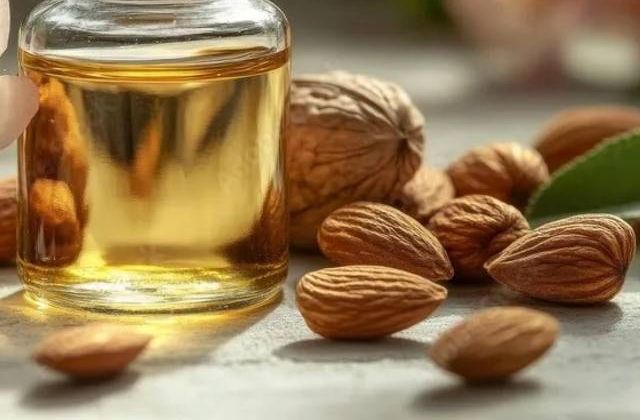

Almond oil has quietly become one of the most in-demand natural oils across cosmetics, food, pharmaceuticals, and wellness industries. As consumer awareness around clean-label and plant-based ingredients grows, businesses are increasingly turning to bulk sourcing to meet rising demand. This is where almond oil wholesale plays a critical role — allowing manufacturers, retailers, and formulators to access high-quality oil at scale, without compromising on purity or consistency.
Whether you run a skincare brand, manage a food processing unit, or supply raw materials to the pharmaceutical sector, understanding how almond oil is made, why it's valued, and which industries rely on it can help you make smarter sourcing decisions.
What Makes Almond Oil So Popular?
Almond oil is a light, nutrient-rich oil extracted from the kernels of almonds, primarily from two varieties: sweet almonds and bitter almonds. Sweet almond oil manufacturers is the version most commonly used commercially, prized for its mild aroma, pale golden color, and versatility across applications. It's packed with vitamin E, fatty acids, antioxidants, and minerals like magnesium and zinc, making it valuable well beyond the kitchen.
The Almond Oil Production Process
Understanding the extraction process helps buyers evaluate quality when sourcing in bulk. There are two primary methods used commercially:
Cold Pressing:- This is the most preferred method for producing premium-grade almond oil. Raw almonds are mechanically pressed at low temperatures without the use of heat or chemicals. Cold pressing preserves the oil's natural nutrients, color, and fragrance, resulting in a purer product that's especially valued in cosmetics and food-grade applications.
Solvent Extraction:- This method uses chemical solvents to extract oil more efficiently and at a lower cost, often used for large-volume industrial applications where ultra-purity isn't the primary requirement. The oil is then refined to remove impurities and residual solvents.
After extraction, the oil typically goes through filtration, refining, and quality testing stages to check for acidity levels, peroxide value, and contamination before it's packaged for bulk distribution.
Key Benefits of Almond Oil
Almond oil's popularity across industries comes down to its impressive functional and nutritional properties:
Deep Moisturization – Its emollient properties make it excellent for hydrating skin and hair without leaving a greasy residue.
Rich in Vitamin E – A powerful antioxidant that helps protect cells from oxidative stress and supports skin repair.
Anti-Inflammatory Properties – Often used in massage oils and therapeutic formulations to soothe irritated skin.
Lightweight Texture – Easily absorbed, making it a preferred carrier oil for essential oil blends.
Nutritional Value – Contains healthy monounsaturated fats, making it suitable for culinary use and dietary supplements.
Long Shelf Life – With proper storage, almond oil resists rancidity better than many other carrier oils, which is a major advantage for wholesale buyers managing inventory.
Industries That Rely on Almond Oil Wholesale
- Cosmetics and Personal Care
This is by far the largest consumer of bulk almond oil. It's used in moisturizers, serums, lotions, lip balms, hair oils, and massage oils. Its light texture and skin-friendly nutrients make it a staple carrier oil in both mass-market and premium skincare lines.
- Pharmaceutical and Nutraceutical
Almond oil is used in the production of soft gel capsules, topical ointments, and dietary supplements. Its emollient and anti-inflammatory qualities make it useful in medicinal formulations targeting skin conditions and joint care.
- Food and Beverage
Refined almond oil distributors is used as a cooking oil, salad dressing base, and flavor-infused specialty oil. Its mild, slightly nutty flavor pairs well in bakery products and gourmet food items.
- Aromatherapy and Spa Industry
Due to its neutral scent and lightweight consistency, almond oil is a preferred carrier for diluting essential oils in massage therapy, spa treatments, and aromatherapy blends.
- Baby Care Products
Its gentle, hypoallergenic nature makes almond oil a popular ingredient in baby lotions, oils, and skincare products designed for sensitive skin.
- Soap and Candle Manufacturing
Bulk almond oil is also used as a base ingredient in handmade soaps and specialty candles, valued for the moisturizing properties it imparts to finished skincare bars.
Why Businesses Choose Wholesale Sourcing
Buying almond oil bulk manufacturers in bulk offers several practical advantages for businesses:
Cost Efficiency – Wholesale pricing significantly reduces per-unit cost compared to retail purchasing.
Consistent Supply – Reliable bulk sourcing ensures uninterrupted production schedules.
Quality Control – Working directly with established suppliers allows for better traceability, certifications, and batch testing.
Customization – Many suppliers offer options like organic-certified, cold-pressed, or refined variants tailored to specific industry needs.
Companies like Hetaksh Essential Oils cater to this demand by supplying bulk quantities of cold-pressed and refined almond oil suited for cosmetic, pharmaceutical, and food-grade applications, helping businesses scale production without sacrificing quality.
Almond oil's versatility across cosmetics, pharmaceuticals, food, and wellness industries makes it a valuable commodity for bulk buyers. By understanding the extraction process, benefits, and quality indicators, businesses can make informed sourcing decisions that support both product quality and long-term supply reliability.
Frequently Asked Questions (FAQ)
*Q1: What is the minimum order quantity for almond oil wholesale purchases? *
Minimum order quantities vary by supplier, typically ranging from a few kilograms for small businesses to bulk drums or tanker loads for large manufacturers. It's best to confirm MOQ directly with your chosen supplier.
Q2: What's the difference between cold-pressed and refined almond oil?
Cold-pressed almond oil retains more natural nutrients, aroma, and color since it's extracted without heat or chemicals. Refined almond oil undergoes additional processing to remove impurities, resulting in a more neutral scent and longer shelf life, often preferred for large-scale industrial use.
*Q3: Is almond oil suitable for all skin types? *
Yes, almond oil is generally well-tolerated by most skin types, including sensitive and dry skin. However, individuals with nut allergies should avoid using it and consult a dermatologist if uncertain.
*Q4: How should bulk almond oil be stored? *
It should be stored in a cool, dry place away from direct sunlight, ideally in airtight, food-grade or industrial-grade containers to prevent oxidation and rancidity.
*Q5: Can almond oil be used in both cosmetic and food industries? *
Yes, but the grade matters. Cosmetic-grade almond oil is formulated for topical use, while food-grade almond oil undergoes separate refining and safety testing to meet edible oil standards.
*Q6: What certifications should I look for when sourcing wholesale almond oil? *
Look for certifications such as ISO, GMP certification (if applicable), and batch-specific quality testing reports covering purity, acidity value, and contamination levels.
*Q7: How long does almond oil typically last? *
When stored properly, almond oil generally has a shelf life of 12 to 24 months, though this can vary based on extraction method and storage conditions.





Top comments (0)