
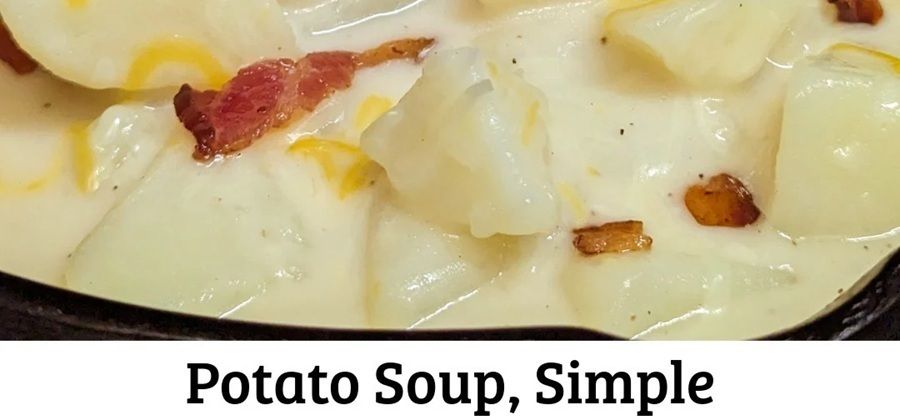

Opening the refrigerator the day after making a big pot of chowder often reveals a culinary surprise. What was once a smooth, velvety soup has set into a thick, solid mass of cold starch and congealed butterfat. Many folks toss cold leftovers into the microwave on high heat, only to end up with an oily, separated mess with a scorched center.
Properly reheating potato chowder requires understanding how chilled starches and dairy behave under heat. Cold temperatures cause potato starches to firm up, while delicate dairy fats pull apart from the cooking broth. With a little care and gentle heat, you can restore yesterday's leftovers to their original silky, freshly cooked glory.
The Science of Reheating Delicate potato soup
When dairy-based soups cool down, milk proteins and butterfats separate into distinct layers. Reheating them too fast shocks those delicate proteins, causing them to tighten and squeeze out liquid. This reaction creates an unappetizing layer of yellow oil floating over grainy curds.
At the same time, the potato starches absorb surrounding moisture overnight, making the cold soup remarkably thick. To revive that smooth, spoonable consistency, you need to introduce fresh liquid and warm the mixture gradually. Gentle patience on the stovetop lets those separated fats emulsify smoothly back into the broth.
Best Liquids for Loosening Chilled potato soup
Never try reheating chilled chowder without adding a splash of fresh liquid first. Having a little moisture in the pot protects the starches from sticking and burning against the hot cookware.
Whole Milk or Half-and-Half for Rich potato soup
Adding a few splashes of fresh whole milk or half-and-half restores moisture while revitalizing the soup's rich, creamy profile. It replaces any liquid absorbed by the spuds overnight and helps the butterfat blend back together smoothly. Warm the milk slightly before stirring it in to avoid shocking the cool soup.
Cherishing traditional home cooking means treating every leftover portion with the same care as the original meal. Over seven hundred tested Southern recipes from Tammy's Georgia kitchen celebrate the everyday suppers, the Sunday dinners, and the cakes that show up at every reunion. Giving leftover potato soup a gentle, patient reheat ensures the second-day bowls taste every bit as comforting and delicious as the first.
Savory Broths for Balancing Rich potato soup
If your chowder was already quite rich on day one, consider loosening it with a splash of warm chicken or vegetable stock instead. The stock thins the thick starches effectively without adding extra dairy fat. This keeps the soup light, well-balanced, and easy to enjoy for a quick weekday lunch.
- Whole milk or half-and-half to restore rich, velvety creaminess.
- Unsalted chicken or vegetable broth for a lighter, balanced consistency.
- A knob of fresh creamery butter to bring back a glossy, appetizing sheen.
- Freshly grated cheddar cheese to melt over top and revive visual appeal.
- Crisp, freshly fried bacon bits to replace toppings that softened overnight.
Step-by-Step Stovetop Reheating Method for potato soup
The stovetop is by far the best way to reheat potato chowder, giving you complete control over heat and texture throughout the process:
- Spoon your chilled leftover chowder into a heavy-bottomed saucepan or small enamel Dutch oven.
- Pour in two to four tablespoons of whole milk or chicken broth per bowl of soup to loosen the thick base.
- Set your burner to medium-low, letting the pan warm up gradually without rushing.
- Stir continuously with a wooden spoon or silicone spatula, scraping the bottom to prevent sticking.
- As the soup warms and loosens, evaluate the thickness and stir in more liquid a tablespoon at a time if needed.
- Keep the heat gentle; once tiny bubbles appear around the edges and steam rises, remove the pan from the heat.
- Ladle the hot soup into warmed bowls and finish with fresh toppings like green onions or crisp bacon.
Safe Microwave Reheating Methods for Quick potato soup
If you are at the office or short on time, the microwave can work in a pinch. Following these simple steps will keep your soup smooth and prevent messy splatters.
Using Reduced Microwave Power for potato soup
Never microwave cold chowder on full blast. High microwave power heats unevenly, scorching the edges while leaving the center ice-cold, which causes dairy to curdle quickly. Instead, set your microwave to fifty percent power to warm the soup gently and evenly from edge to center.
The Stir-and-Rest Microwave Routine for potato soup
Reheat the soup in short, controlled sixty-second bursts. Stir the bowl thoroughly between each interval, breaking up any cold pockets of thick starch and helping the fats blend back together. Once the soup is steaming throughout, let it rest for one minute to settle before enjoying your lunch.
Leftover potato chowder can taste even better the next day as the savory flavors of onion, garlic, and bacon meld together overnight. By avoiding harsh, high heat and stirring in a splash of fresh liquid, you protect that velvety farmhouse texture. Pair your warmed bowl with a warm buttermilk biscuit or slice of toasted cornbread, and enjoy every bit of yesterday's delicious supper.






Top comments (0)