

Introduction
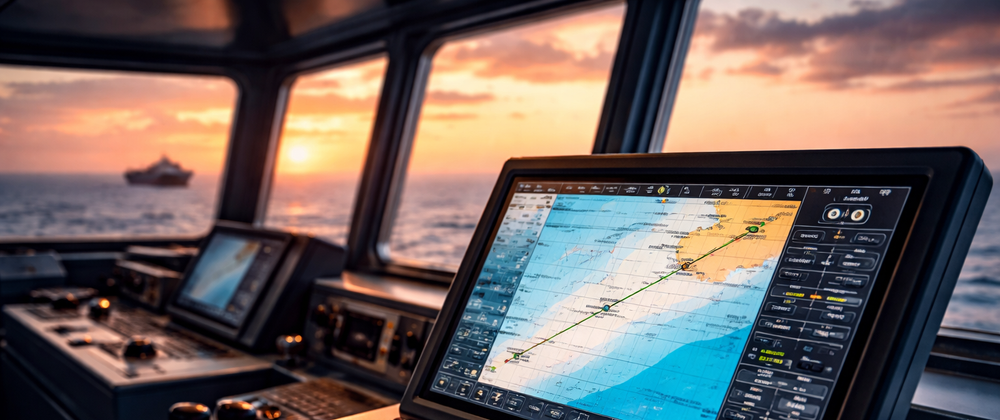
GPS for Ship has become a vital technology for real-time vessel monitoring across sea routes and inland waterways. With advanced tracking solutions from iTracker, ship owners and operators can maintain visibility, improve safety, and manage navigation more efficiently in modern maritime environments.
The Importance of Real-Time GPS for Ship Tracking
Maritime transportation involves complex operations that demand precision, safety, and constant awareness. Ships travel through open seas, rivers, and coastal routes where conditions can change rapidly.
Without real-time tracking, operators face challenges such as limited visibility, delayed communication, and increased navigation risks. This is why real-time GPS for Ship has become an essential component of modern maritime management.
Real-time tracking ensures that vessel movement is continuously monitored, supporting safer navigation and better operational decisions.
Understanding Real-Time GPS for Ship Technology
Real-time GPS technology uses satellite signals to determine a ship’s exact location, speed, and direction. This information is transmitted instantly to a monitoring platform.
Operators can access this data through digital dashboards to observe vessel movement without delay. Unlike traditional reporting methods, real-time GPS provides immediate visibility.
A reliable GPS for Ship system ensures accurate and continuous data flow for both sea and inland water navigation.
Tracking Ships at Sea with Real-Time GPS
Open sea navigation presents unique challenges.
Weather conditions, long distances, and limited visual references increase the risk of navigation errors. Real-time GPS tracking helps operators maintain precise location awareness even in remote waters.
With GPS for Ship, vessels can be tracked continuously, allowing operators to monitor progress and respond quickly to unexpected changes.
GPS Tracking for Inland Waterways
Inland waterways are often busy and narrow, requiring careful navigation.
Rivers, canals, and ports experience high traffic, making collision avoidance and route accuracy critical. Real-time GPS tracking supports safe maneuvering in these environments.
By using GPS for Ship, operators can ensure smooth navigation through inland routes and maintain awareness of surrounding vessel traffic.
Enhancing Maritime Safety Through Real-Time Monitoring
Safety is the primary benefit of real-time GPS tracking.
Continuous location monitoring helps operators detect irregular movement, route deviation, or unexpected stops. This allows faster response during emergencies or operational issues.
Real-time GPS for Ship significantly reduces risks related to navigation errors and delayed communication.
Improved Navigation Accuracy and Route Control
Accurate navigation is essential for efficient maritime operations.
GPS tracking provides precise positioning that helps ships stay on planned routes. Operators can monitor route adherence and make adjustments when necessary.
With GPS for Ship, navigation becomes more controlled, reducing uncertainty and operational risks.
Supporting Emergency Response and Incident Management
In maritime emergencies, time and accuracy are critical.
Real-time GPS allows operators and authorities to locate vessels instantly. This improves coordination during rescue operations or technical assistance.
A dependable GPS for Ship system strengthens emergency preparedness and response capabilities across both sea and inland waters.
Real-Time Visibility for Fleet and Vessel Management
Fleet operators managing multiple ships require centralized visibility.
Real-time GPS tracking allows managers to monitor all vessels simultaneously. This supports better coordination, scheduling, and operational oversight.
Centralized tracking improves efficiency and reduces the complexity of managing large maritime fleets.
Accountability and Compliance in Maritime Operations
Maritime operations must follow safety regulations and approved routes.
GPS tracking provides transparent movement records that support compliance and accountability. Operators can review routes and ensure vessels follow established guidelines.
This transparency improves operational discipline and professional standards.
Reducing Operational Uncertainty at Sea and Inland Waters
Uncertainty can lead to delays and safety risks.
Real-time GPS tracking reduces uncertainty by providing constant updates on vessel location and movement. Operators no longer rely solely on manual reports.
With GPS for Ship, decision-making becomes faster and more reliable.
Importance of Reliable GPS Technology in Maritime Environments
Maritime environments are demanding.
Ships operate under harsh conditions, including water exposure, vibration, and varying weather. GPS systems must perform consistently despite these challenges.
iTracker focuses on delivering GPS tracking solutions designed to operate reliably in real-world maritime conditions, ensuring stable performance.
How iTracker Supports Real-Time GPS for Ship Tracking
Modern ship operators require accurate and user-friendly systems.
iTracker provides GPS tracking solutions that support real-time monitoring, clear data visualization, and dependable performance. These systems help operators track vessels efficiently across sea and inland routes.
The emphasis on reliability and usability has made iTracker a trusted name in maritime GPS tracking.
Transparency and Data Accuracy in Vessel Tracking
Accurate data is essential for effective maritime management.
GPS tracking systems provide clear location history, timelines, and movement records. This transparency supports informed decisions and operational improvements.
Transparent data aligns with strong expertise, authoritativeness, and trustworthiness standards.
Long-Term Benefits of Real-Time GPS for Ship
Real-time GPS tracking offers lasting advantages.
Over time, operators benefit from improved navigation accuracy, enhanced safety, and better operational planning. GPS systems become integral to daily maritime operations.
Choosing the right GPS for Ship solution ensures sustainable benefits and long-term reliability.
GPS Technology and the Future of Maritime Navigation
As maritime traffic increases, the demand for precise navigation tools grows.
Real-time GPS technology supports safer waterways and more efficient vessel management. It reduces human error and enhances situational awareness.
The future of maritime navigation depends on reliable tracking technologies.
Why Real-Time GPS Is Essential for Modern Maritime Operations
Modern maritime operations require constant visibility and adaptability.
Real-time GPS tracking provides immediate access to critical information. This supports safer navigation and improved operational control.
For ship operators, GPS for Ship is no longer optional. It is a fundamental part of modern maritime management.
Conclusion
GPS for Ship enables real-time tracking of vessels at sea and inland waters, enhancing safety, navigation accuracy, and operational control. With dependable solutions from iTracker, ship operators can manage vessels confidently and navigate modern maritime challenges with clarity and precision.





Top comments (0)