
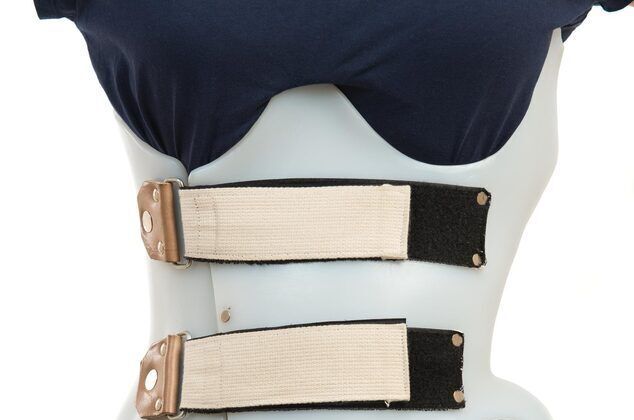

Finding the right scoliosis brace for teenagers can be an important part of managing spinal curvature during the growing years. A scoliosis brace for teenagers is commonly considered when a young person has a spinal curve that may progress as they grow. For many families, choosing a suitable scoliosis brace for teenagers can feel overwhelming because comfort, fit, appearance, and daily activities all matter. With professional assessment and regular follow-up, a scoliosis brace for teenagers can be incorporated into school, sports, and everyday routines when recommended by a healthcare professional.
Understanding Scoliosis and Bracing
Scoliosis is a condition in which the spine develops an abnormal sideways curvature. It is often identified during childhood or adolescence, sometimes through routine screening or because of visible changes in posture.
Whether bracing is appropriate depends on several factors, including the degree and location of the curve, the teenager's age, growth remaining, and professional assessment. A brace is generally intended to help control progression while the spine is still growing rather than instantly straighten the spine.
Important factors to consider
Professional assessment
A qualified healthcare professional should assess the spinal curve and determine whether bracing is appropriate.
Correct fitting
A brace needs to fit properly to provide the intended support while reducing unnecessary pressure or discomfort.
Growth and adjustment
Teenagers grow quickly, so the brace may need periodic assessment and adjustment.
Daily wear routine
Follow the prescribed wearing schedule and discuss any difficulty maintaining it with the healthcare team.
Choosing the Right Brace for a Teenager
Every teenager has different needs, so there is no single brace that suits everyone. A healthcare professional may recommend a particular design based on the curve and stage of growth.
For families looking for a Scoliosis Brace Singapore, professional fitting and follow-up can be particularly useful. A properly fitted Back Brace for Scoliosis may help provide the support prescribed by the healthcare team while allowing the teenager to continue normal daily activities.
When selecting a brace, consider:
- Fit and comfort
- Material and breathability
- Ease of wearing and removing
- Compatibility with everyday clothing
- Recommended wearing schedule
- Availability of professional follow-up
- Opportunities for adjustment as the teenager grows
Helping Teenagers Adjust to Wearing a Brace
Wearing a brace can take time to become part of a teenager's routine. Open communication can make the transition easier.
Try these practical steps:
Introduce the brace gradually if advised
Follow the schedule provided by the healthcare professional rather than changing wear time independently.
Choose suitable clothing
Soft, comfortable clothing can help reduce irritation and make the brace easier to manage.
Encourage communication
Teenagers should be comfortable reporting pressure points, skin irritation, pain, or other concerns.
Plan around school activities
Discuss practical challenges involving sitting, changing clothes, physical education, or travel with the healthcare team.
Attend follow-up appointments
Regular reviews help determine whether the brace continues to fit properly as the teenager grows.
Supporting Confidence and Comfort
Emotional support is just as important as physical comfort. Some teenagers may feel self-conscious about wearing a brace, particularly at school or around friends. Parents and caregivers can help by listening without judgment and encouraging the teenager to discuss concerns.
Simple routines can also make brace care easier:
- Keep the brace clean according to the manufacturer's instructions.
- Check the skin regularly for persistent redness or irritation.
- Follow the prescribed wearing schedule.
- Keep appointments for reassessment and adjustments.
- Ask the healthcare professional before changing the brace routine.
Conclusion
A scoliosis brace for teenagers can be an important part of scoliosis management for some growing adolescents. The right approach involves professional assessment, accurate fitting, appropriate follow-up, and practical support at home and school. Families considering a scoliosis brace for teenagers should discuss the available options with a qualified healthcare professional and choose a solution based on the teenager's individual spinal curve, growth, comfort, and treatment plan. With the right guidance, brace wear can become a manageable part of everyday life.







Top comments (0)