
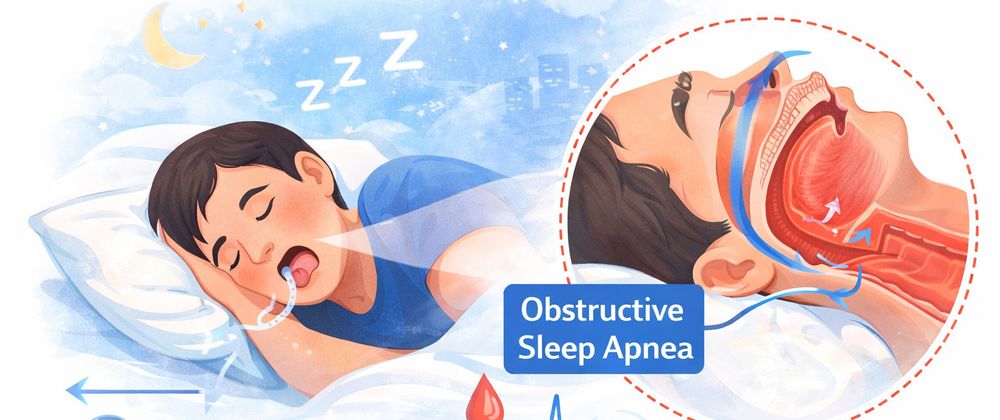

Sleep apnea is a common but often underdiagnosed sleep disorder that affects millions of people worldwide. It occurs when a person’s airway becomes partially or completely blocked during sleep, leading to disrupted breathing. These interruptions can happen dozens of times per night, often without the person even realizing it. Over time, untreated sleep apnea can contribute to serious health problems, including heart disease, high blood pressure, diabetes, and daytime fatigue. Understanding the symptoms of sleep apnea is crucial for early diagnosis and effective management.
1. Loud and Persistent Snoring
One of the most recognizable symptoms of sleep apnea is loud and chronic snoring. While not everyone who snores has sleep apnea, habitual loud snoring is often a warning sign of airway obstruction. People with sleep apnea typically snore in a distinct pattern: a loud snore followed by silence, which is then interrupted by a gasp, choke, or snort as breathing resumes.
Snoring in sleep apnea is caused by the vibration of relaxed tissues in the throat, including the soft palate and uvula, as air struggles to pass through a narrowed airway. Over time, this can disrupt both your sleep and the sleep of your partner.
Why it matters: Chronic snoring is not just a nuisance; it can indicate serious airway obstruction that may affect oxygen levels and cardiovascular health. If you or your partner notice these patterns, it’s a signal to seek medical evaluation.
2. Episodes of Breathing Cessation During Sleep
Another hallmark symptom of sleep apnea is pauses in breathing during sleep, medically known as apneas. These episodes can last anywhere from a few seconds to a minute and may occur dozens or even hundreds of times per night. Often, the person with sleep apnea is unaware of these episodes, but they are frequently noticed by bed partners.
These breathing pauses can lead to brief awakenings as the body struggles to restore normal oxygen levels. Although these awakenings are usually too brief to be remembered, they significantly reduce the quality of sleep. Over time, this fragmented sleep contributes to chronic fatigue, irritability, and cognitive problems.
Why it matters: Repeated interruptions in breathing can lower oxygen levels, increasing the risk of heart problems, stroke, and metabolic disorders.
3. Excessive Daytime Sleepiness
One of the most common consequences of sleep apnea is excessive daytime sleepiness (EDS). Even after a full night in bed, people with sleep apnea often feel extremely tired, drowsy, or lethargic during the day. This is because frequent awakenings prevent restorative deep sleep, particularly the REM and slow-wave sleep stages that are essential for physical and mental recovery.
*Daytime sleepiness can impact daily life significantly. Individuals may experience:
*
- Difficulty concentrating at work or school
- Increased risk of accidents while driving
- Reduced productivity and motivation
Why it matters: Persistent daytime fatigue can affect mental clarity, emotional stability, and overall quality of life. In severe cases, it increases the risk of work-related or vehicular accidents.
4. Morning Headaches and Dry Mouth
Many people with sleep apnea report frequent morning headaches and dry mouth upon waking. These symptoms result from oxygen deprivation during the night and disrupted sleep cycles. When oxygen levels drop due to airway obstruction, blood vessels in the brain may constrict, leading to tension headaches or migraines in the morning.
Additionally, the constant mouth breathing caused by obstructed nasal passages can dry out the mouth and throat, resulting in discomfort, bad breath, and even gum or dental issues over time.
Why it matters: Morning headaches and dry mouth are often dismissed as minor annoyances but can be early indicators of sleep apnea, particularly when combined with other symptoms like snoring and daytime fatigue.
5. Difficulty Concentrating and Memory Problems
Sleep apnea doesn’t just affect physical health—it can significantly impact cognitive function. People with untreated sleep apnea often experience difficulty concentrating, forgetfulness, and decreased mental performance. This is largely due to fragmented sleep and reduced oxygen delivery to the brain during the night.
*Over time, chronic sleep deprivation can lead to problems with:
*
- Decision-making and problem-solving
- Learning and memory retention
- Mood regulation and emotional resilience
Why it matters: Cognitive difficulties can affect job performance, academic achievements, and daily decision-making. Recognizing these signs early can prevent long-term complications and improve overall quality of life.
Additional Symptoms to Watch For
While the five symptoms above are the most common, sleep apnea may also present with:
- Nighttime sweating due to frequent awakenings
- Restless sleep or frequent tossing and turning
- Irritability, anxiety, or depression due to poor-quality sleep
- High blood pressure is a secondary effect of oxygen deprivation
Recognizing a combination of these symptoms increases the likelihood of accurate diagnosis and effective treatment.
Risk Factors for Sleep Apnea
Certain factors increase the likelihood of developing sleep apnea:
Obesity: Excess weight, especially around the neck, can obstruct the airway.
Age: Sleep apnea is more common in middle-aged and older adults.
Gender: Men are more likely than women to develop sleep apnea, though postmenopausal women are also at risk.
Anatomical features: Large tonsils, small jaw structure, or a deviated septum can contribute to airway obstruction.
Lifestyle factors: Smoking, alcohol use, and sedative medications can exacerbate sleep apnea symptoms.
Understanding these risk factors helps identify individuals who should be evaluated for sleep apnea.
When to Seek Medical Advice
If you notice any combination of the symptoms mentioned above, it’s important to consult a healthcare professional. Diagnosis typically involves a sleep study (polysomnography), which monitors breathing patterns, oxygen levels, heart rate, and brain activity during sleep.
*Early detection is critical because untreated sleep apnea can lead to:
*
- Cardiovascular disease and hypertension
- Type 2 diabetes
- Stroke
- Obesity
- Daytime accidents and reduced quality of life
Treatment options include continuous positive airway pressure (CPAP) therapy, lifestyle changes, oral appliances, or, in severe cases, surgical interventions.
Conclusion
Sleep apnea is a serious sleep disorder that often goes unrecognized, but its impact on health and quality of life can be profound. Recognizing the five key symptoms—loud snoring, breathing pauses, excessive daytime sleepiness, morning headaches, dry mouth, and cognitive difficulties—is the first step toward seeking diagnosis and treatment.
By addressing sleep apnea early, individuals can improve their sleep quality, daytime alertness, and overall health, reducing the risk of serious complications. If you or a loved one are experiencing these symptoms, don’t wait—speak with a healthcare provider and take control of your sleep today.






Top comments (0)