
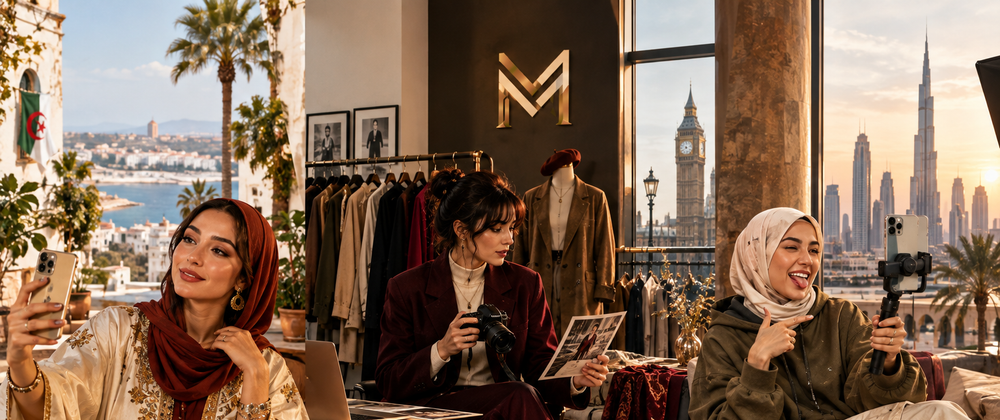

The creator economy has changed how audiences connect with fashion, beauty, lifestyle and entertainment. Instead of relying only on traditional magazines, television or advertising campaigns, audiences can now follow individuals who share their work, routines, opinions and creative projects directly through social platforms.
roumaissa allata is one example of this changing creator landscape. Her public profile describes her as a content creator working across makeup, fashion, travel and lifestyle, with connections to Algeria, France and Germany. Her digital work has also developed into entrepreneurship through Masagran, a coffee and brunch business in Algeria.
This combination of content creation and business activity reflects a wider development in the creator economy. Digital personalities are increasingly building businesses around their interests rather than treating social media as a separate activity.
From Social Posts to Personal Brands
The modern creator is no longer defined only by the number of followers on an account. A strong digital identity can include content production, brand collaborations, entrepreneurship, community engagement and personal storytelling.
Creators working across several categories can communicate with audiences through different formats. A fashion post can introduce a personal style philosophy, while a travel video can provide another form of storytelling. Business ventures can then create another connection between the creator and their community.
For businesses, this has changed influencer marketing. Instead of simply placing a product in front of a large audience, brands increasingly work with creators whose content already fits a particular audience or lifestyle.
The Growth of Fashion and Lifestyle Storytelling
Fashion remains an important category within digital creator culture because visual platforms are naturally suited to clothing, beauty and personal styling.
London-based creator Hannah Desai, also known online as Cocobeautea, provides an example of how fashion and beauty content can develop into a professional digital career. Her work covers fashion, beauty and lifestyle, with content that combines luxury fashion, high-street pieces and lifestyle brands.
hannah desai represents a broader creator model in which personal style becomes an ongoing form of communication rather than a single advertising campaign. Her professional profile includes collaborations with fashion and beauty companies, demonstrating how creators can connect editorial-style content with commercial partnerships.
This type of visibility allows digital personalities to move between social media, fashion media, brand events and commercial projects. Their content can also introduce audiences to new products while maintaining the creator's established visual identity.
Why Relatable Content Still Matters
Large production budgets are not always necessary for digital success. One of the defining characteristics of creator culture is the ability to turn ordinary situations into content that audiences recognize from their own lives.
Comedy and lifestyle creators can build communities by presenting familiar situations through short videos, observations and personal experiences.
A video does not necessarily need a complicated concept to attract attention. A familiar situation, presented with strong timing and personality, can become highly shareable.
This is important for brands as well. Consumers often respond differently to a recommendation delivered through a creator's normal content compared with a traditional advertisement. The relationship between creator and audience can provide context that a conventional promotional format may not have.
Cultural Identity in Digital Content
Another important development is the way creators use cultural identity within global digital spaces.
Creators connected with Algeria, Egypt, Europe and the Gulf demonstrate how social platforms allow cultural experiences to reach international audiences. A creator can maintain connections with their background while communicating with people across multiple countries.
This is particularly relevant for international audiences. Social platforms allow people to encounter cultural perspectives that may previously have been limited to regional media.
For brands entering new markets, creators can also provide cultural context. Someone who understands the language, humor, traditions and everyday habits of an audience may communicate a campaign differently from a global advertisement created for a general market.
The result is a more diverse digital media environment where regional experiences can reach international communities.
The Business Side of Creator Culture
The creator economy has developed into a serious commercial ecosystem. Creators can generate revenue through brand partnerships, advertising, events, affiliate activity, products, services and their own businesses.
A creator's digital audience can sometimes support projects beyond social media. Restaurants, fashion collections, beauty products, events and other ventures can become extensions of an established creative identity.
Fashion creators also demonstrate another model, where long-term relationships with fashion and beauty companies form part of professional activity.
For businesses, this creates opportunities but also requires careful selection. Audience size alone does not explain whether a partnership will work. Content relevance, audience demographics, communication style and consistency can all influence the outcome.
What 2026 Means for Digital Creators
In 2026, creator careers are becoming increasingly multi-dimensional. A person may operate simultaneously as a content creator, entrepreneur, entertainer, fashion personality or brand collaborator.
The rise of short-form video has also made storytelling faster. Creators must communicate an idea quickly while maintaining enough personality to encourage audiences to return.
At the same time, audiences have become familiar with sponsored content. Transparency and authenticity therefore remain important considerations for creators and companies working together.
The movement between acting, fashion, lifestyle and social media demonstrates how creative professionals can use digital platforms to extend their reach beyond traditional media.
The future of the creator economy will likely involve even more connections between traditional entertainment, fashion, hospitality, media and entrepreneurship.
Conclusion
Digital creators are becoming important participants in the modern media and business ecosystem. Their influence comes from more than social media visibility; it can involve storytelling, cultural identity, professional expertise, brand partnerships and entrepreneurship.
The career of sherouk abdelaziz, alongside creators such as Roumaissa Allata and Hannah Desai, illustrates how different creative paths can connect entertainment, fashion, beauty, lifestyle and business. These professional directions show how digital platforms can support creative careers across multiple industries.
For brands and audiences alike, the creator economy represents a continuing shift toward direct, personality-driven media. As platforms evolve, creators who combine consistent content with genuine audience relationships will remain an important part of the global digital landscape.
Frequently Asked Questions
Who is Roumaissa Allata?
Roumaissa Allata is a content creator associated with makeup, fashion, travel and lifestyle. Her public profile also connects her with entrepreneurial activity in Algeria.
Who is Hannah Desai?
Hannah Desai, also known as Cocobeautea, is a London-based fashion, beauty and lifestyle creator whose work includes fashion content, beauty content and brand collaborations.
Who is Sherouk Abdelaziz?
Sherouk Abdelaziz is an Egyptian actress and social media personality associated with comedy and lifestyle content.
Why are creators important to modern media?
Creators provide direct communication between individuals, communities and brands. Their content can combine entertainment, personal experience, product recommendations and cultural storytelling.
Can creators become entrepreneurs?
Yes. Some creators develop businesses alongside their content careers, creating additional professional opportunities beyond social media.
Why do brands work with digital creators?
Brands can use creator partnerships to communicate with specific audiences through personalities and content formats that are already familiar to those communities.







Top comments (0)