
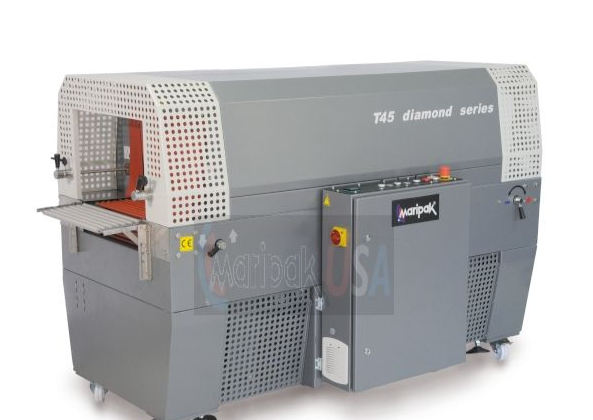

Packaging quality depends on how securely and evenly shrink film fits around a product. The heating process plays an important role in achieving a neat finish without wrinkles, loose sections, or damage caused by excessive heat. A heat shrink tunnel uses controlled temperature and airflow to help film contract around individual products or grouped packages. It is commonly used in production facilities where packaging consistency and output speed matter. Understanding how this equipment works, its main components, and the factors affecting its performance can help manufacturers maintain reliable packaging results across production lines.
How the Shrinking Process Works
The process begins after the product has been wrapped and sealed in shrink film. The package enters the tunnel on a conveyor belt, where heated air surrounds it from multiple directions. As the film warms, it contracts and tightens around the product.
The speed of the conveyor, temperature settings, and airflow all affect the final result. A heat shrink tunnel must be adjusted to suit the film type, product size, and packaging speed. When these settings are balanced correctly, the film shrinks evenly without damaging the product beneath it.
Why Consistent Heat Matters
Inconsistent heat can lead to common packaging problems. Film may remain loose in some areas, wrinkle around corners, or fail to seal properly. In more extreme cases, excessive heat can damage the product, melt the film unevenly, or create safety concerns.
A heat shrink tunnel is designed to provide controlled, repeatable heat. Digital temperature controls and circulation systems help maintain stable conditions throughout operation. This consistency is particularly important for businesses producing large quantities of packaged goods, where small variations can quickly become noticeable across an entire production run.
Suitable Films and Applications
Heat tunnels can be used with different types of shrink film, including polyolefin, PVC, and polyethylene. The appropriate choice depends on the product, required strength, appearance, and operating conditions. A polyolefin shrink machine is commonly used for retail packaging because polyolefin film provides a clear, glossy finish and strong seal quality.
Polyolefin film is often chosen for products that require attractive presentation, such as food items, cosmetics, printed materials, and consumer goods. A heat shrink tunnel helps the film conform closely to the product, creating a clean and professional appearance. This can be especially important for products displayed on store shelves.
Benefits for Production Efficiency
Manual heat application can be slow and difficult to control. A heat shrink tunnel allows packages to move continuously through the heating process, supporting higher output and more predictable results. This makes the equipment well suited to production environments where speed and repeatability matter.
Automation also reduces the need for constant operator intervention. Once the tunnel is set up for a particular product and film, it can maintain consistent performance over long production runs. This can help businesses reduce labour demands while maintaining packaging quality.
Protecting Products During Transit
Shrink film does more than improve appearance. It can protect products from dust, moisture, and minor handling damage during storage and shipping. A heat shrink tunnel ensures that the film fits securely, reducing the chance of it shifting or becoming loose during transport.
For multi-item bundles, tight film helps keep products together. This can make handling easier and reduce the risk of individual items becoming separated. Secure packaging is particularly valuable for businesses shipping products through distribution centres or retail supply chains.
Choosing the Right Tunnel Size
Tunnel size is an important consideration. The chamber must be large enough to accommodate the tallest and widest packages a business plans to process. A heat shrink tunnel that is too small may limit product options, while an oversized tunnel may use more energy than necessary.
Businesses should also consider conveyor width, product height, production speed, and available floor space. Matching the tunnel to these requirements helps ensure smooth operation. For companies with varied product sizes, adjustable settings and flexible conveyor speeds can provide useful versatility.
Conclusion
A shrink tunnel is an essential part of many modern packaging operations, providing controlled heat to create secure, attractive, and consistent packages. By matching tunnel settings to film type and product requirements, businesses can improve both presentation and protection. When used with a reliable polyolefin shrink machine, a heat tunnel can support efficient production and professional retail-ready packaging. For companies seeking dependable shrink packaging performance, the right tunnel can make a meaningful difference.







Top comments (0)