

Garage floors tell the whole story of a property. Oil drips, tire marks, dust, and dampness pile up quietly, and one day the space looks worn out, feels slippery, and smells like it hasn’t been cleaned in years.
The fix is more straightforward than most owners expect. Apply The Pressure Group, a Santa Clarita team with over 7 years of experience, shares what a proper garage cleaning actually involves and when to schedule it.
Why Do Garages Get Dirty So Quickly?
Garages collect automotive pollutants every day. Oil spills, tire marks, dust, and vehicle residue all settle onto the floor, and they rarely leave on their own. Over time, these substances can lead to structural wear and safety concerns that go well beyond a messy look.
Moisture adds another problem. Damp garages are prone to mold and mildew, which spread across floors and corners if ignored. Cleaning removes that growth and sanitizes the area, helping the space stay healthier for anyone who uses it, including staff, tenants, and customers.
What Types of Garages Need Attention?
Every kind of garage benefits from regular care:
- Residential garages
- Detached garages
- Multi bay commercial garages
- Garages managed by property managers and HOAs
How Does Concrete Cleaning Remove Stubborn Stains?
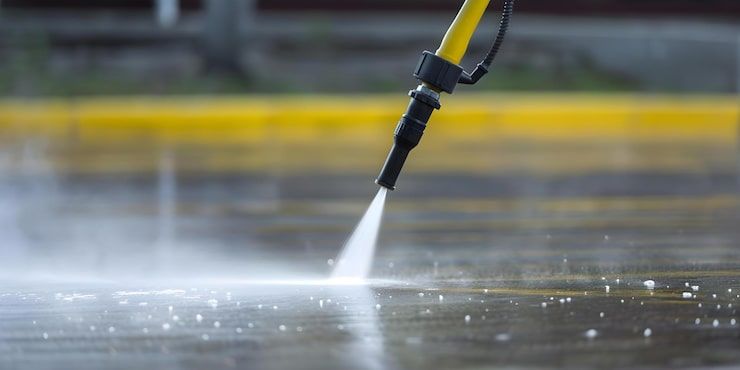
Good concrete cleaning starts with the right tools. Apply The Pressure Group uses high PSI washers, water reclaim systems, and commercial grade solutions to lift grease, dirt, and vehicle residue from garage floors. The crew also assesses each surface first, so it can clean and protect without causing damage.
Oil and tire marks need extra effort. The team combines pressure systems with professional degreasers to lift stubborn stains, and most oil and grease marks come out. Very old stains may leave a faint shadow, but the floor still looks dramatically cleaner and safer than it did before.
What About Walls and Entryways?
A spotless floor next to dirty walls looks unfinished. That’s why the service includes surrounding walls, doors, and entry points, which keeps the garage looking uniform from every angle. It also stops dirt from walls washing back onto your freshly cleaned floor.
How Is Mold Handled?
Mold and mildew show up wherever moisture lingers. Apply The Pressure Group cleans and sanitizes affected areas thoroughly, using biodegradable products that break down grime without harming the environment. This keeps the garage cleaner and avoids harsh residues that could affect people or plants nearby.
Prevention helps as well. Regular cleaning removes the grime that mold feeds on, so growth has a harder time returning. Pairing a deep clean with a scheduled maintenance plan is the most reliable way to keep damp spaces fresh and healthy through the wetter months.
How Often Should a Garage Be Cleaned?
Every 4 to 6 months is ideal, though frequency varies with vehicle use and weather exposure. A garage used by several cars daily collects mess faster than one used occasionally, so the schedule should reflect real activity, not a calendar guess.
Commercial garages and parking areas often need pressure washing every 3 to 6 months because of high vehicle activity and exposure to oil, grime, and weather. If you spot tire marks, oil stains, or slippery algae, schedule a cleaning right away rather than waiting for the next planned visit.
What Should You Do Before the Crew Arrives?
Preparation is simple but important. The garage should be cleared of vehicles and personal belongings so the team has full access to every surface. A clear space speeds up the work, reduces risk of damage to your items, and lets the crew finish more efficiently.
Scheduling is flexible, so you can pick a time that fits your routine and avoid interruptions. The team works Monday through Saturday from 7 AM to 5 PM. A quick call or online booking is all it takes to get started.
What Does a Real Result Look Like?
Imagine a small business with a multi bay garage where trucks come and go daily. The floor is dark with oil, the walls are streaked, and employees step carefully to avoid slick patches. Everyone knows it needs work, but nobody has time to arrange it.
One scheduled visit changes the whole feel of the space. The floor lightens, the walls match, and the slippery spots disappear. This is the sort of change that makes a customer say the concrete looks brand new, and it’s exactly the sort of feedback Apply The Pressure Group hears from clients.
Why Hire a Professional for Commercial Pressure Washing?
Machines from a rental shop rarely match the power, control, and finish of a professional setup. Reliable commercial pressure washing relies on trained technicians who know how to adjust pressure, use degreasers, and handle runoff responsibly, all of which protect the surface and the environment.
Pricing stays clear as well. The company offers honest quotes tailored to your cleaning needs with no hidden fees. It’s locally owned, licensed, and insured, and it follows Santa Clarita environmental guidelines. For homeowners, property managers, and HOAs alike, that combination makes the decision easy.
Conclusion
A clean garage is safer, healthier, and better looking. Remove oil, tire marks, and mold on a 4 to 6 month rhythm, clear the space before each visit, and choose a licensed crew. Consistent concrete cleaning and dependable commercial pressure washing protect both the surface and your budget.
FAQs
How often should a garage be cleaned?
Every 4 to 6 months is ideal, depending on vehicle use and exposure to the elements.
Can oil and grease stains be removed completely?
Professional degreasers and high pressure systems remove most oil and grease stains.
Are the cleaning products safe for the environment?
Yes. They are biodegradable and compliant with Santa Clarita environmental guidelines.
Do I need to move my vehicle first?
Yes. The garage should be cleared of vehicles and personal belongings for full access.






Top comments (0)