

Introduction
Some games need a long tutorial, a detailed map, and a spare afternoon. A classic grid-based arcade game needs only a few directions and a little room to move. That simplicity is part of the fun: you understand the goal almost immediately, then spend the next few minutes discovering how tricky it can be.
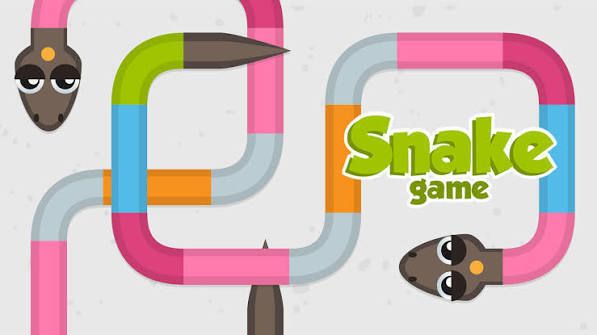
Snake is a perfect example. You guide a small creature around a grid, collect food, and try not to run into a wall—or into yourself. The rules are easy to learn, but every snack makes your snake longer and the available space feel smaller. A quick round can turn into a tense test of timing and planning before you know it.
If you’d like to try a round, Snake Game offers a straightforward way to enjoy this familiar arcade idea. Whether you’re revisiting a childhood favorite or meeting the game for the first time, the best approach is to take it one move at a time.
Gameplay: Keep Moving, Keep Thinking
At the start, your snake is short and has plenty of room to travel. Use the directional controls to steer it around the board and guide it toward the food. Each item you collect adds length, usually increasing your score as well. The catch is that your body follows behind you, occupying more of the grid with every successful bite.
This creates a satisfying little puzzle. You’re not just deciding where to go next; you’re also considering where your tail will be a few turns later. A path that looks clear now might become awkward once the snake stretches across it. Turning too sharply can leave you boxed in, while moving in a wide loop may give you room to plan.
The board’s grid makes the action easy to read. Each move has a clear direction, and you can usually see the consequences of a turn before making it. Still, the pace can make simple choices feel urgent. As your snake grows, you may find yourself watching its head closely while keeping one eye on the route behind it.
The challenge comes from the balance between risk and control. Food in a tight corner might be tempting, but reaching it could leave you with few ways out. A snack in open space is often the safer choice, even if it means taking a longer route. Every round becomes a small story of decisions: a careful loop, a close escape, and perhaps one turn that was a little too ambitious.
That’s also why the game works well for short breaks. You can play for a few minutes, focus on beating your last score, and stop when you’re ready. There’s no complicated setup to remember. Just start moving, learn how the controls respond, and let each round teach you something.
Tips: Make Space for Your Next Move
- Start with wide turns. When the snake is small, it’s tempting to dart straight toward every piece of food. Instead, practice taking broad routes around the board. Wide turns are easier to manage and help you avoid trapping yourself later. As you get comfortable, you can try tighter paths when there’s enough room.
- Look beyond the food. Food is the immediate target, but your escape route matters just as much. Before turning toward an item, glance at the surrounding spaces. Ask yourself: after collecting it, will there still be room to turn? Thinking one or two moves ahead can prevent many sudden collisions.
- Use the edges thoughtfully. Following the outside of the board can be a useful way to keep your path organized, especially while the snake is short. But don’t treat the edge as a guaranteed safe lane. If you approach a corner without a plan, you may have nowhere to go. Leave yourself an exit before committing to a long run along the boundary.
- Keep your movement smooth. Rapidly changing direction can make it harder to understand where the snake is headed. Try to steer with intention rather than reacting to every moment. A steady loop is often safer than a series of last-second zigzags. If the controls feel unfamiliar, spend the first round getting used to their timing instead of chasing a high score.
- Pay attention to your own body. As your snake grows, its path becomes part of the obstacle course. Remember that the tail moves too, so a space that seems blocked may open up after a few moments. At the same time, don’t assume every gap will remain open. Track the direction of your body and give yourself enough room to follow through.
- Treat mistakes as useful information. A short round isn’t wasted if it teaches you something. Maybe you turned into a narrow passage too soon, or focused so strongly on food that you forgot about the wall ahead. Notice what caused the collision, then try a different approach next time. Small adjustments can make a surprising difference.
- Choose a goal for each session. You don’t always need to chase your best score. One round could be about staying calm, another about avoiding sharp turns, and another about seeing how long you can keep a consistent route. Changing your goal keeps the experience relaxed and gives you a clear way to notice progress.
Conclusion
A classic grid game is easy to understand, but that doesn’t make it dull. Its simple rules leave room for concentration, quick decisions, and the occasional “I can do better than that” rematch. Snake captures that appeal beautifully: collect food, find a safe path, and keep enough space for the next turn.
Whether you play for a high score or just enjoy a few minutes of focused fun, there’s no need to rush. Start with the basics, learn how the board feels, and build your strategy one round at a time. Just remember to leave yourself somewhere to go—especially when your tail starts to take up half the screen.




Top comments (0)