
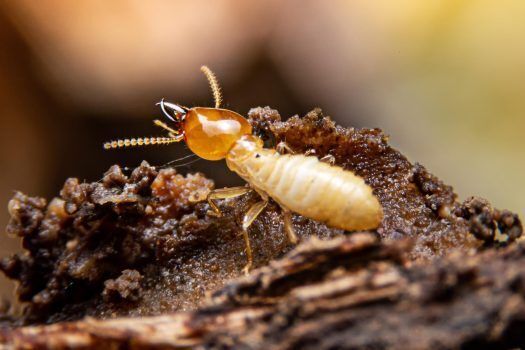

Termites can cause significant damage to timber structures, flooring, door frames and other wooden components of a property. Because they often remain hidden behind walls, beneath floors or within roof structures, termite activity may go unnoticed until visible damage appears. For homeowners, understanding the risks and recognising early warning signs are important steps towards protecting a property.
For residents concerned about termites in Epping, regular property maintenance and professional inspections can help identify potential problems before they become more extensive. M&R Termite Solutions provides termite inspection and treatment services to help homeowners assess termite activity, understand potential risks and consider suitable protection measures.
Why Termite Control Is Important for Your Home
Termites feed on cellulose, which is found in timber, paper and other plant-based materials. They can affect structural timber, skirting boards, flooring, window frames, door frames and other wooden components within a building. Some termite species can enter through concealed pathways, making it difficult to detect their presence through routine visual checks alone.
One of the main concerns with termite activity is that damage can develop gradually without obvious external signs. By the time timber appears damaged or begins to weaken, termites may have already affected concealed areas of the property.
Effective termite control in Epping involves more than treating visible signs of activity. It requires identifying where termites may be entering, assessing affected areas and selecting an appropriate treatment or monitoring approach based on the property's condition.
Early identification can help property owners understand the extent of activity and take appropriate action. Regular inspections, moisture management and suitable preventative measures all contribute to a considered termite management plan.
Common Signs of Termite Activity
Termites are often referred to as hidden pests because they can remain concealed within timber, soil and building structures. However, there are several warning signs homeowners can look for around their properties.
Mud tubes or shelter tubes: Some subterranean termites build narrow mud tubes along foundations, walls or other surfaces. These tubes provide sheltered pathways between their nests and food sources.
Hollow-sounding timber: Timber that sounds hollow when gently tapped may indicate internal damage. However, other conditions can also affect timber, so further assessment may be necessary.
Discarded wings: Flying termites, also known as alates, may shed their wings after swarming. Finding discarded wings near windows, doors or other openings can indicate possible termite activity nearby.
Damaged or blistered timber: Timber surfaces may appear blistered, uneven or damaged when termites feed beneath the surface. Paint or finishes may sometimes conceal the underlying damage.
Doors and windows becoming difficult to operate: Changes in the way doors or windows open and close can have several causes, including moisture and structural movement. If these changes occur alongside other suspected termite signs, an inspection may be appropriate.
If you notice any of these signs, avoid disturbing suspected termite activity. A professional assessment can help establish whether termites are present and what steps may be required.
The Importance of Regular Termite Inspections
Routine termite inspections in Epping can help property owners identify visible evidence of termite activity, conducive conditions and areas that may require further investigation. Inspections are particularly relevant for properties with timber structures, a history of termite activity or environmental conditions that may increase their exposure.
A professional inspection typically involves assessing accessible areas of the property, including relevant timber components, foundations, subfloor spaces where accessible, roof areas and other locations that may show signs of termite activity. The inspection process depends on the building's design, construction and accessibility.
An inspection may identify active termite activity, previous damage, moisture issues or conditions that could make the property more susceptible to termites. Findings can help determine whether treatment, monitoring, repairs or further investigation should be considered.
The frequency of inspections depends on the property's construction, location, history and level of risk. Australian Standard AS 3660.2 provides guidance on termite management in and around existing buildings. Property owners should discuss an appropriate inspection schedule with a qualified pest management professional.
Practical Ways to Reduce the Risk of Termites
Although no preventative measure can guarantee that termites will never enter a property, good maintenance practices can help reduce some of the conditions that encourage termite activity.
Manage moisture around the property: Repair leaking pipes, taps and gutters, and address persistent dampness. Ensure drainage directs water away from the building where appropriate, as excessive moisture can create favourable conditions for some termite species.
Keep timber away from direct ground contact: Where practical, avoid placing untreated timber, garden sleepers, cardboard and other cellulose-containing materials directly against the building or soil. Store firewood away from external walls and elevated from the ground.
Maintain clear inspection areas: Keep areas around foundations and accessible building edges clear enough to allow inspection. Avoid covering potential termite entry points with stored materials, garden debris or dense vegetation.
Monitor landscaping: Tree stumps, dead roots and decaying timber can provide potential food sources for termites. Remove unwanted timber debris and maintain gardens without compromising the building's required ventilation or drainage.
Address building maintenance issues: Repair damaged timber, leaking services and structural gaps where appropriate. Avoid blocking ventilation openings or making changes that conceal areas requiring inspection.
These measures can support a broader termite management strategy but should be combined with professional inspections where appropriate.
Professional Termite Treatment and Protection
When termite activity is identified, the treatment approach should be selected according to the termite species, location of activity, building construction and site conditions. There is no single treatment that is suitable for every property.
Depending on the findings, management options may include targeted treatments, soil treatments, baiting systems or other suitable methods. A pest management professional can explain the available options, how they work and whether monitoring or follow-up inspections are recommended.
Professional pest control in Epping can also address other pest concerns around the property, including ants, spiders, cockroaches, rats and mice. Where termites are suspected, however, a dedicated termite assessment is important because their concealed activity and potential impact on building timber require specific attention.
Homeowners should request clear information about the proposed treatment, preparation requirements, safety precautions and any recommended follow-up. Treatment should be carried out in accordance with applicable product instructions and relevant requirements.
Protect Your Epping Property with Early Action
Termite activity can be difficult to detect without a careful assessment, and visible damage may not show the full extent of a problem. Paying attention to warning signs, managing moisture, maintaining the property and arranging inspections can help homeowners make informed decisions about termite protection.
M&R Termite Solutions provides termite inspections, termite treatments and pest management services for residential and commercial properties in Epping and surrounding Melbourne suburbs. The team can assess suspected termite activity, explain the findings and discuss suitable options based on the property.
If you have noticed mud tubes, damaged timber, discarded wings or other possible signs of termites, arranging a professional inspection can help clarify the situation.
Contact M&R Termite Solutions on 0413 716 233 to discuss termite inspections, treatment options and preventative measures for your Epping property.




Top comments (0)