
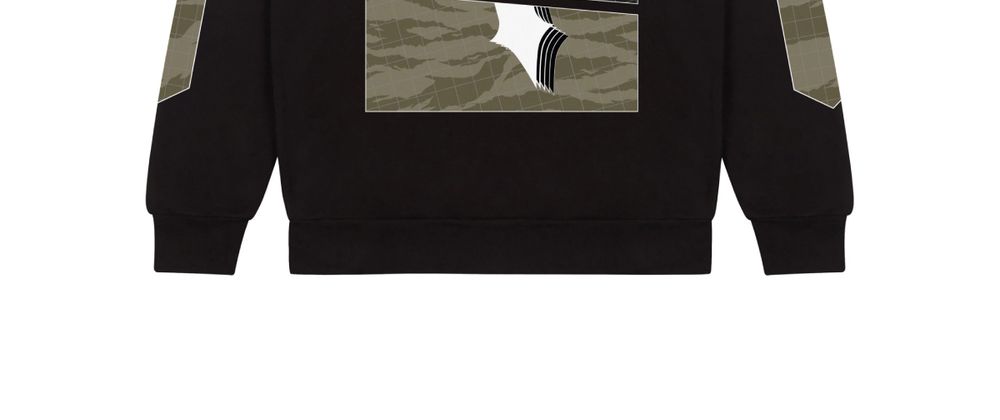

Trapstar isn’t just clothing—it’s a cultural statement born from the streets and shaped by rebellion, creativity, and authenticity. In a world where fashion often follows predictable patterns, Trapstar emerged as a disruptive force, rewriting the rules of streetwear. It represents more than hoodies and graphic tees; it symbolizes ambition, resilience, and the voice of a generation that refuses to be overlooked. What makes Trapstar truly unique is how it blends underground culture with global appeal while staying rooted in its origins.
The Origins: From West London to the World
Trapstar began as a grassroots movement in West London, created by a group of friends who shared a passion for music, art, and fashion. Without formal training or major backing, they relied on instinct and creativity. Early on, they printed designs on t-shirts and sold them directly within their community. This direct connection with people helped the brand build a loyal following organically. Instead of chasing trends, Trapstar created its own identity, inspired by street culture, grime music, and the raw energy of urban life.
The founders understood something many brands miss: authenticity cannot be manufactured. Their designs told stories—stories of struggle, hustle, and survival. As word spread, the brand began to gain attention beyond London, eventually catching the eye of influential figures in music and entertainment. This marked the beginning of Trapstar’s transformation from a local label into an international phenomenon.
The Meaning Behind the Name
The name “Trapstar” itself is layered with meaning. “Trap” refers not only to hustle culture but also to environments where people must work hard to escape limitations. “Star,” on the other hand, represents aspiration and success. Together, the name embodies the journey from struggle to achievement—a concept that resonates deeply with its audience.
This duality is reflected in the brand’s designs, which often mix dark, gritty aesthetics with bold, aspirational elements. The message is clear: even in the toughest circumstances, greatness is possible. This philosophy is one of the key reasons why Trapstar connects so strongly with youth around the world.
Signature Style: Bold, Mysterious, and Fearless
Trapstar’s design language is instantly recognizable. It features bold typography, cryptic slogans, and striking graphics that often carry hidden meanings. One of the brand’s most iconic elements is its use of the phrase “It’s A Secret,” which reinforces a sense of exclusivity and mystery. This subtle marketing approach makes customers feel like they are part of something special—an inner circle rather than just consumers.
The color palette frequently leans toward darker tones like black, red, and grey, emphasizing a gritty, urban aesthetic. However, the brand isn’t afraid to experiment with vibrant accents and reflective materials, adding depth and versatility to its collections. Whether it’s oversized jackets, statement hoodies, or sleek tracksuits, each piece carries a distinctive edge that sets it apart from mainstream fashion.
Influence of Music and Culture
Music has always been at the heart of Trapstar’s identity. The brand grew alongside the UK grime scene, drawing inspiration from its raw energy and unapologetic expression. Artists and musicians were among the earliest supporters, wearing Trapstar not as a promotional tool but as a genuine reflection of their lifestyle.
This connection between fashion and music helped propel Trapstar onto the global stage. As international artists began to embrace the brand, its influence expanded beyond the UK. It became a symbol of cross-cultural exchange, bridging gaps between different scenes while maintaining its core identity.
Trapstar doesn’t just follow culture—it helps shape it. By aligning itself with creative communities, the brand stays relevant and continues to evolve. This synergy between fashion and music is one of its strongest assets, ensuring that it remains deeply embedded in contemporary culture.
The Power of Exclusivity
One of Trapstar’s most effective strategies is its use of limited releases. Instead of mass-producing items, the brand often drops small collections with little notice. This creates a sense of urgency and excitement, turning each release into an event. Fans eagerly anticipate these drops, knowing that once items sell out, they may never return.
This approach not only increases demand but also reinforces the brand’s identity as something rare and valuable. Owning Trapstar isn’t just about wearing clothes—it’s about being part of a movement. The exclusivity factor elevates the brand’s status, making it highly desirable among fashion enthusiasts and collectors alike.
Global Expansion Without Losing Identity
As Trapstar gained popularity, it faced the challenge of scaling up without losing its authenticity. Many brands struggle at this stage, often becoming diluted as they expand. However, Trapstar managed to grow while staying true to its roots.
International collaborations and strategic partnerships played a key role in this process. By working with like-minded creatives and brands, Trapstar was able to reach new audiences without compromising its identity. Its presence in major cities around the world reflects its global appeal, yet it still carries the essence of West London in every design.
This balance between growth and authenticity is rare in the fashion industry. Trapstar’s ability to maintain its core values while evolving is a testament to its strong foundation and clear vision.
Community and Loyalty
At its core, Trapstar is built on community. From its early days of selling directly to friends and neighbors, the brand has always prioritized its connection with people. This sense of community extends beyond geography, uniting individuals who share similar values and experiences.
Social media has amplified this connection, allowing fans from different parts of the world to engage with the brand and with each other. Trapstar’s audience isn’t just passive—it’s active, vocal, and deeply invested. This level of loyalty is something many brands strive for but rarely achieve.
The brand’s messaging often emphasizes unity, resilience, and self-belief. These themes resonate strongly with its audience, creating an emotional bond that goes beyond fashion. Wearing Trapstar becomes a way of expressing identity and belonging.
Challenges and Criticism
Like any influential brand, Trapstar Bag has faced its share of challenges. As it grew in popularity, questions arose about maintaining exclusivity while meeting increasing demand. Some critics argue that the brand’s limited releases can alienate fans who are unable to secure items.
Additionally, the rise of counterfeit products has posed a significant challenge. The brand’s popularity makes it a target for imitation, which can dilute its image and impact. However, these challenges also highlight the brand’s success—imitation is often a sign of influence.
Trapstar continues to navigate these issues by staying innovative and maintaining strong relationships with its audience. Transparency and authenticity remain key components of its strategy.
The Future of Trapstar
Looking ahead, Trapstar shows no signs of slowing down. The brand continues to push boundaries, exploring new designs, collaborations, and creative directions. Its ability to adapt while staying true to its identity positions it well for long-term success.
Sustainability and ethical production are likely to become increasingly important as the fashion industry evolves. Trapstar has the opportunity to lead in this space by integrating responsible practices without compromising its aesthetic.
The future of Trapstar isn’t just about growth—it’s about impact. As it continues to influence culture and inspire individuals, the brand’s legacy will extend far beyond clothing.
More:Shop




Top comments (0)