

Imagine making soft, wholesome rotis every morning — rotis that not only taste great but also actively support your weight goals, keep blood sugar in check, and cause zero bloating. Sounds too good to be true? Welcome to the world of Jowar Atta.
For decades, Indian households relied almost entirely on wheat flour (gehun ka atta) as their daily staple. But wheat contains gluten, has a high glycemic index, and may contribute to digestive discomfort for millions of people. With rising lifestyle diseases — from obesity and Type 2 diabetes to IBS and gluten intolerance — more and more health-conscious Indians are searching for smarter alternatives.
Jowar Atta, made from ground sorghum grain, is rapidly emerging as one of the most powerful and practical healthy atta alternatives available today. It is naturally gluten-free, packed with dietary fibre, and loaded with essential micronutrients that wheat simply cannot match.
In this guide, we break down everything you need to know about Jowar flour benefits, how it compares to wheat, who should use it, and how to make it a part of your everyday meals.
What Is Jowar Atta?
Jowar (Sorghum bicolor) is one of the oldest cultivated grains in the world and has been a dietary staple across Maharashtra, Karnataka, Rajasthan, and Gujarat for centuries. Known regionally as Jola, Jonnalu, or Jwari, it is a coarse grain that grows well in dry, arid climates — making it both ecologically sustainable and nutritionally rich.
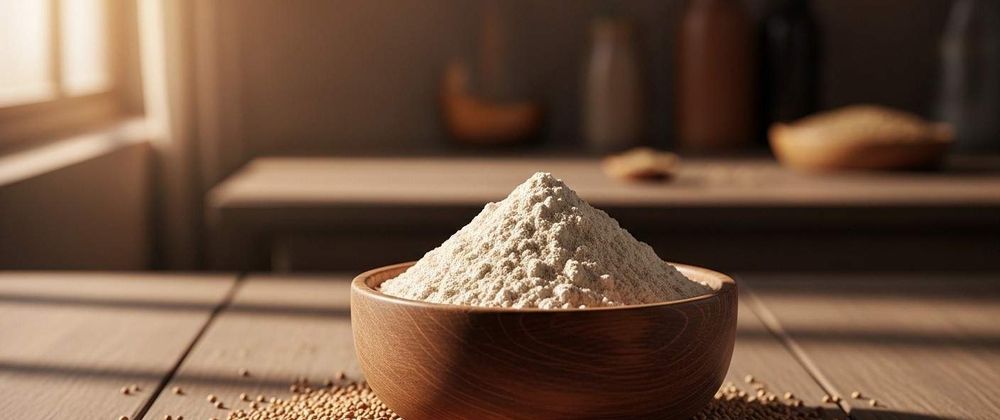
Jowar Atta is the flour made by stone-grinding or milling dried jowar grain. It has a mild, slightly earthy flavour and a soft, off-white texture. Unlike refined flours, quality jowar atta retains the bran and germ layers of the grain, which means it preserves maximum nutrients.
Traditionally, jowar was used to make bhakri (thick flatbread), but today it is being rediscovered as a versatile, high-fibre flour that can be used in rotis, pancakes, porridges, dosas, cheelas, and even baked goods.
Nutritional Value of Jowar Atta
One of the strongest reasons to switch to Jowar Atta is its impressive nutritional profile. Let's look at what you get in every 100 grams:
Nutrient
Per 100g
Calories
~329 kcal
Carbohydrates
~72g
Protein
~10g
Dietary Fibre
~6.3g
Fat
~3.1g
Iron
~4.1mg
Calcium
~28mg
Phosphorus
~287mg
Potassium
~350mg
Magnesium
~165mg
Vitamin B1 (Thiamine)
~0.24mg
Zinc
~1.7mg
What makes these numbers particularly powerful is the combination of high dietary fibre, a low glycemic index, zero gluten, and an abundance of essential minerals like iron, magnesium, and phosphorus. This makes jowar one of the most complete and functional grains available in the Indian market.
Top Health Benefits of Jowar Atta
- Excellent for Weight Management If you're trying to shed extra kilos, replacing wheat with jowar atta is a smart first step. Jowar is high in dietary fibre, which means it keeps you feeling full for longer — reducing the urge to snack between meals. Its complex carbohydrates are digested slowly, providing sustained energy rather than the quick sugar spike-and-crash you get from refined flours.
For Indian households where rotis are eaten at every meal, switching to jowar rotis can quietly but powerfully reduce your daily calorie absorption.
- Supports Healthy Digestion Jowar Atta contains nearly 6.3g of dietary fibre per 100g — more than double what wheat atta provides. This fibre acts as a prebiotic, feeding the good bacteria in your gut and supporting a healthy microbiome. Regular consumption of high-fibre flour like jowar can help reduce constipation, bloating, and improve overall bowel regularity.
For people who experience heaviness or gas after eating wheat rotis, switching to jowar bhakri or rotis often brings noticeable relief within a few weeks.
- Naturally Gluten-Free Jowar is one of the best naturally gluten-free atta options available in India. This makes it ideal for people with celiac disease, non-celiac gluten sensitivity, or anyone who simply chooses to avoid gluten for better digestive health.
Unlike processed or packaged gluten-free flours that often use additives and artificial binders, Jowar Atta in its pure form is completely natural and needs no chemical modification. It is a clean, whole-grain alternative that doesn't compromise on nutrition.
- Heart-Healthy Grain Jowar is rich in antioxidants, particularly tannins and phenolic compounds, which help reduce LDL (bad) cholesterol levels and protect cardiovascular health. Its high fibre content further aids in maintaining healthy cholesterol levels and reducing the risk of artery-related conditions.
Potassium in jowar also helps regulate blood pressure, making it an excellent choice for those managing hypertension — a growing concern among urban Indians.
- Diabetes-Friendly and Blood Sugar Balancing With a low glycemic index of approximately 55 (compared to wheat's ~70), Jowar Atta causes a slower, more controlled rise in blood glucose levels after meals. This is critical for people managing Type 2 diabetes or those at pre-diabetic risk.
The fibre in jowar also slows down the absorption of sugars from the digestive tract, which further helps in preventing blood sugar spikes. Doctors and nutritionists across India increasingly recommend jowar as a diabetic-friendly flour option.
- Rich in Iron and Ideal for Anaemia Prevention Iron deficiency anaemia is one of the most common nutritional deficiencies in India, particularly among women. Jowar Atta contains approximately 4.1mg of iron per 100g, making it a valuable addition to diets aimed at combating anaemia. When combined with a source of Vitamin C (like lemon juice on your roti), iron absorption is significantly enhanced.
Jowar Atta vs Wheat Atta: A Complete Comparison
Here's a side-by-side look at how Jowar Atta stacks up against the conventional wheat atta that dominates Indian kitchens:
Feature
Jowar Atta
Wheat Atta
Gluten Content
Gluten-Free
Contains Gluten
Glycemic Index (GI)
Low (~55)
High (~70)
Dietary Fibre (per 100g)
~6.3g
~2.7g
Protein (per 100g)
~10g
~12g
Calories (per 100g)
~329 kcal
~340 kcal
Iron Content
High
Moderate
Suitable for Diabetics
Yes
Limited
Suitable for Celiac Disease
Yes
No
Antioxidant Level
High
Low to Moderate
Digestibility
Easy on Gut
Can cause bloating
As the table shows, Jowar Atta wins on nearly every health parameter that matters to modern Indian consumers — from fibre content and blood sugar control to digestive comfort and suitability for food sensitivities.
Who Should Use Jowar Atta?
Jowar Atta is beneficial for a wide range of people. Here's who stands to gain the most:
People with Gluten Intolerance or Celiac Disease — A safe, delicious alternative to wheat-based rotis.
Diabetics and Pre-Diabetics — Low GI helps stabilise post-meal blood sugar.
Those on a Weight-Loss Journey — High fibre keeps you satiated longer, reducing overall intake.
People with Heart Disease or High Cholesterol — Antioxidants and fibre actively support heart health.
Women at Risk for Iron Deficiency — Higher iron content helps support healthy haemoglobin levels.
Elderly Individuals — Easy to digest and gentle on the gut.
Health-Conscious Families — A nutritious upgrade for the entire household without changing daily cooking habits.
How to Use Jowar Atta in Your Daily Diet
One of the biggest myths about jowar atta is that it's difficult to cook with. The reality? It's incredibly versatile and can replace or supplement wheat in almost every recipe you already make.
Jowar Rotis (Bhakri)
The classic and most traditional use. Knead jowar atta with warm water into a soft dough and roll out rotis. They work beautifully with dal, sabzi, curd, or ghee. You can also mix 70% jowar with 30% wheat atta when starting out to ease the transition.
Jowar Cheela / Pancakes
Mix jowar atta with water, chopped onions, tomatoes, green chillies, and salt to make a healthy savoury pancake. Perfect for a quick and nutritious Indian breakfast.
Jowar Porridge (Jaav)
A Maharashtrian favourite — cook jowar flour in water or milk with a pinch of salt or jaggery for a warm, energising morning meal. Great for children and elderly family members.
Jowar Dosa
Blend jowar atta with rice flour and a bit of curd. Ferment overnight and make crisp, golden dosas. A south Indian spin on an ancient grain.
Jowar in Baking
Jowar flour can be used in muffins, cookies, and bread. Substitute up to 50% of the regular flour in your baking recipes with jowar atta for a gluten-reduced, nutrient-dense baked good.
Image Suggestion:
Alt Text: "Freshly made jowar bhakri roti on a clay plate with ghee and green chutney, traditional Indian meal"
Why Premium Quality Jowar Atta Makes All the Difference
Not all jowar atta is created equal. The nutritional value and taste you experience depend heavily on how the grain is sourced, processed, and packaged.
Here's what sets premium-quality jowar atta apart:
Stone-ground or cold-milled to preserve heat-sensitive nutrients
Made from clean, non-GMO jowar grain without chemical treatment
Free from artificial preservatives, colours, or flow agents
Properly sieved to maintain consistent texture for cooking
Hygienically packaged to retain freshness and prevent moisture absorption
10on10 Foods offers a premium jowar atta that checks every one of these boxes. Their Jowar Atta is crafted with a commitment to clean eating — using carefully sourced sorghum grain, minimal processing, and no unnecessary additives. Whether you're making your morning bhakri or experimenting with jowar cheela on a Sunday, you can trust the quality in every pack.
Buying Guide: What to Look for in a Good Jowar Atta
When shopping for jowar atta — whether online or at your local store — keep these quality markers in mind:
Ingredient List: Should ideally contain only one ingredient — jowar. Avoid brands that add fillers or artificial agents.
Colour and Texture: Good jowar atta has a natural off-white to light beige colour and a slightly coarse texture.
Smell: Fresh jowar atta has a mild, grainy, earthy aroma. A stale or musty smell indicates poor storage.
Packaging: Choose moisture-resistant, food-grade packaging with a clearly mentioned manufacturing and best-before date.
Certification: Look for FSSAI-certified products as a mark of safety and quality compliance in the Indian market.
Brand Transparency: Trustworthy brands will clearly mention the sourcing region and processing method.
Frequently Asked Questions (FAQs)
Q1. Is Jowar Atta good for everyday use?
Yes, absolutely. Jowar Atta is safe and beneficial for daily consumption. You can use it as your primary atta for making rotis, or mix it with other whole grain flours. It is especially recommended for people with gluten sensitivity, diabetes, or those aiming to improve digestive health.
Q2. Can I make soft rotis with Jowar Atta?
Yes, you can — though jowar rotis are typically slightly thicker and less pliable than wheat rotis. The trick is to use warm or hot water while kneading, and to cook on a medium-high flame. You can also add a small portion of wheat atta or psyllium husk (isabgol) to improve binding when you're just getting started.
Q3. Is Jowar Atta suitable for people with diabetes?
Yes. Jowar has a low glycemic index (~55) and a high fibre content, both of which help in regulating blood sugar levels post meals. It is widely recommended by Indian nutritionists as a diabetic-friendly flour alternative to wheat.
Q4. Does Jowar Atta help with weight loss?
It can be a very effective support for weight management. The high dietary fibre in jowar atta promotes a feeling of fullness, which naturally reduces overall food intake. Its slow-digesting complex carbohydrates also prevent the energy dips that lead to unnecessary snacking.
Q5. Is Jowar Atta completely gluten-free?
Yes. Jowar (sorghum) is a naturally gluten-free grain. This makes jowar atta a safe and nutritious choice for people with celiac disease or non-celiac gluten sensitivity. Always check that the product is processed in a gluten-free facility to avoid cross-contamination.
Q6. How does Jowar Atta taste compared to wheat atta?
Jowar Atta has a mild, slightly earthy, and nutty flavour — not as neutral as wheat. Many people find that jowar rotis have a more wholesome, rustic taste that pairs beautifully with bold-flavoured Indian curries, dal, or curd. Children adapt to it quickly when introduced gradually.
Q7. Where can I buy high-quality Jowar Atta in India?
You can purchase premium Jowar Atta online from 10on10 Foods at . Their jowar atta is sourced from quality grain, minimally processed, and free from artificial additives — making it a trustworthy choice for health-conscious Indian households.
Final Conclusion
The shift towards mindful, health-first eating is no longer a trend — it's a movement. And Jowar Atta sits right at the heart of this movement.
With its natural gluten-free profile, high dietary fibre, impressive mineral content, and low glycemic index, Jowar Atta is not just a healthier atta alternative — it's a smarter way to eat the food you already love. Whether you're managing a health condition or simply want to nourish your family better, adding jowar to your kitchen is one of the most impactful dietary choices you can make.
It doesn't require you to overhaul your cooking style. Your rotis, bhakris, cheelas, and porridges remain — just healthier, more nutritious, and gentler on your body







Top comments (0)